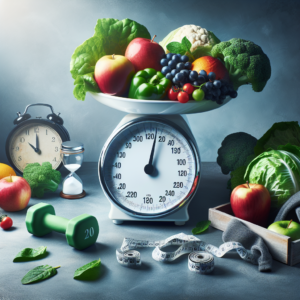

Embarking on the journey of diet planning can be both exciting and daunting, especially for beginners. With myriad diets and nutrition information available, selecting the right approach to suit your goals can be overwhelming. This guide aims to simplify the process, providing you with a structured plan to kickstart your diet planning effectively and sustainably.
Understanding Your Goals
The first step in effective diet planning is understanding your personal goals. Are you aiming to lose weight, build muscle, improve your overall health, or manage a specific health condition? Clearly defining your objective will guide your dietary choices and keep you motivated.
Weight Loss
If weight loss is your goal, your diet plan should focus on creating a calorie deficit, which means consuming fewer calories than your body burns. This can be achieved through a combination of diet and exercise.
Muscle Building
For those looking to build muscle, your diet should include adequate protein to support muscle repair and growth. Additionally, consuming enough calories to fuel your workouts is essential.
Improving Overall Health
If your aim is to enhance your overall health, your diet should be balanced and nutrient-dense, focusing on whole foods like fruits, vegetables, whole grains, lean proteins, and healthy fats.
Assessing Your Current Diet
Before making any changes, it’s important to assess your current eating habits. Keeping a food diary for a week can provide valuable insights into your calorie intake, macronutrient distribution, and eating patterns.
Identify any unhealthy habits such as frequent snacking, emotional eating, or skipping meals. Recognizing these patterns will help you make informed adjustments to your diet.
Creating a Balanced Diet Plan
A balanced diet is crucial for meeting your nutritional needs and supporting your health goals. Here are some key components to consider when creating your plan:
Macronutrients
- Proteins: Essential for muscle repair and growth, proteins should be a significant part of your diet. Sources include lean meats, poultry, fish, eggs, dairy, legumes, and plant-based proteins like tofu and tempeh.
- Carbohydrates: Carbs are the body’s primary energy source. Opt for complex carbohydrates like whole grains, fruits, and vegetables, which provide sustained energy and essential nutrients.
- Fats: Healthy fats support brain health, hormone production, and nutrient absorption. Include sources like avocados, nuts, seeds, olive oil, and fatty fish in your diet.
Micronutrients
Vitamins and minerals, though required in smaller amounts, are essential for various bodily functions. Ensure your diet includes a variety of fruits and vegetables to meet these needs.
Hydration
Staying hydrated is crucial for overall health. Aim to drink at least 8 cups of water a day, and more if you’re physically active.
Meal Planning and Preparation
Effective diet planning involves thoughtful meal planning and preparation. Here are some tips to streamline the process:
Plan Your Meals
Set aside time each week to plan your meals. Consider your schedule and choose recipes that fit your lifestyle. Planning meals in advance can help you maintain a balanced diet and avoid impulsive, unhealthy eating choices.
Grocery Shopping
Create a shopping list based on your meal plan and stick to it. This will help you avoid buying unnecessary items and keep your kitchen stocked with healthy options.
Meal Prep
Preparing meals in advance can save time and reduce stress during busy weekdays. Cook large batches of meals and store them in portion-sized containers for easy access.
Tracking Your Progress
Monitoring your progress is vital to staying on track and making necessary adjustments. Here are some methods to consider:
Food Journaling
Continue to keep a food journal, noting what you eat, portion sizes, and any emotions or thoughts related to your meals. This can help you identify patterns and make informed changes.
Regular Weigh-Ins
Weigh yourself regularly, but not obsessively. Weekly weigh-ins can help you track your progress without causing unnecessary stress.
Body Measurements
In addition to weighing yourself, consider taking body measurements to track changes in muscle mass and fat loss. This can provide a more comprehensive view of your progress.
Overcoming Common Challenges
Diet planning is not without its challenges. Here are some common obstacles and strategies to overcome them:
Plateaus
Weight loss or fitness plateaus can be frustrating. If you hit a plateau, reassess your diet and exercise routine. Sometimes, small adjustments like increasing physical activity or varying your meals can help break through.
Cravings and Temptations
Cravings are a normal part of the dieting process. Instead of depriving yourself, find healthier alternatives to satisfy your cravings. For example, if you’re craving something sweet, try a piece of fruit or a small portion of dark chocolate.
Social Situations
Social events can pose challenges to sticking with your diet plan. Before attending, eat a healthy snack to avoid overindulging. Focus on enjoying the company and choose healthier options when possible.
Seeking Professional Guidance
If you’re finding it difficult to create or stick to a diet plan, consider seeking guidance from a registered dietitian or nutritionist. These professionals can provide personalized advice based on your specific needs and goals.
Conclusion
Effective diet planning for beginners involves understanding your goals, assessing your current habits, and creating a balanced meal plan. By incorporating thoughtful meal planning, tracking your progress, and overcoming common challenges, you can achieve your dietary objectives. Remember, the key to success is consistency and making sustainable lifestyle changes. With dedication and patience, you can establish a healthier relationship with food and achieve your health and fitness goals.