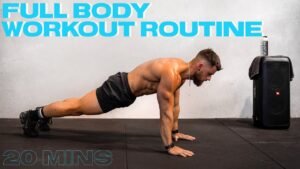

Embarking on a fitness journey can be both exciting and overwhelming, especially for beginners. With the plethora of information available, it can be challenging to know where to start. This guide is designed to help beginners navigate the world of fitness, providing essential knowledge and practical tips to kickstart a healthy lifestyle.
Understanding Fitness Basics
Fitness is a broad term that encompasses various elements contributing to overall health and well-being. It is not just about physical appearance but also about feeling strong, energetic, and confident in your body. The main components of fitness include cardiovascular endurance, muscular strength, muscular endurance, flexibility, and body composition. Each plays a critical role in maintaining a balanced and healthy lifestyle.
Cardiovascular Endurance
Cardiovascular endurance is the ability of the heart and lungs to supply oxygen-rich blood to the muscles during sustained physical activity. Improving this component can enhance your overall stamina, allowing you to perform daily activities with greater ease and efficiency.
Muscular Strength and Endurance
Muscular strength refers to the amount of force a muscle can produce, while muscular endurance is the ability of a muscle to sustain repeated contractions over time. Building strength and endurance is crucial for performing everyday tasks, reducing the risk of injury, and improving metabolic health.
Flexibility
Flexibility is the range of motion available at a joint. It helps prevent injuries, reduces muscle soreness, and improves posture. Regular stretching exercises can enhance flexibility and contribute to overall physical well-being.
Body Composition
Body composition refers to the proportion of fat, bone, water, and muscle in the body. Achieving a healthy body composition is not solely about weight loss but also about building muscle and reducing excess body fat for better health outcomes.
Setting Realistic Goals
Before diving into a fitness routine, it is essential to set realistic and achievable goals. Goals provide direction and motivation, helping you stay on track even when challenges arise. Here’s how to set effective fitness goals:
Define Your Why
Understanding why you want to embark on a fitness journey is crucial. Whether it’s to improve health, boost confidence, or increase energy levels, having a clear purpose will keep you motivated.
Set SMART Goals
SMART goals are Specific, Measurable, Achievable, Relevant, and Time-bound. Instead of vague objectives like “get fit,” aim for specific targets such as “run a 5K in three months” or “lose 10 pounds in two months.”
Break It Down
Large goals can be daunting. Break them into smaller, manageable milestones. Celebrate each achievement, and use them as stepping stones towards your ultimate goal.
Creating a Balanced Fitness Routine
A well-rounded fitness routine should include a mix of cardiovascular exercises, strength training, flexibility exercises, and rest days. Each component plays a vital role in achieving overall fitness and preventing injuries.
Cardiovascular Exercise
Incorporate activities that elevate your heart rate, such as walking, jogging, cycling, or swimming, at least 3-5 times a week. Aim for at least 150 minutes of moderate-intensity or 75 minutes of high-intensity cardio activity weekly.
Strength Training
Strength training should be performed 2-3 times a week, focusing on different muscle groups. This can be achieved through bodyweight exercises, free weights, or resistance machines. Ensure proper form to maximize benefits and minimize injury risk.
Flexibility and Mobility
Include stretching or yoga sessions in your routine at least 2-3 times a week. These activities enhance flexibility, improve circulation, and promote relaxation.
Rest and Recovery
Rest is crucial for muscle recovery and overall well-being. Ensure you get 7-9 hours of quality sleep each night and include rest days in your fitness plan to allow your body to repair and rejuvenate.
Nutrition and Hydration
Fueling your body with the right nutrients is fundamental to supporting your fitness goals. A balanced diet provides the energy needed for workouts and aids in muscle recovery and growth.
Balanced Diet
Focus on consuming whole, unprocessed foods rich in nutrients. Include a variety of fruits, vegetables, lean proteins, whole grains, and healthy fats. Avoid excessive sugar and processed foods that may hinder progress.
Hydration
Staying hydrated is vital for optimal physical performance and recovery. Drink plenty of water throughout the day, especially before, during, and after exercise. Listen to your body’s signals and adjust fluid intake as needed.
Staying Motivated and Overcoming Challenges
Maintaining motivation is one of the most challenging aspects of a fitness journey. Here are some strategies to help you stay committed:
Find Activities You Enjoy
Choose exercises that you genuinely enjoy. Whether dancing, hiking, or playing a sport, engaging in activities you love makes it easier to stick to your routine.
Track Your Progress
Keep a journal or use fitness apps to track your workouts, nutrition, and progress. Seeing improvements over time can boost motivation and reinforce positive habits.
Stay Accountable
Share your fitness goals with friends or family, or join a fitness community. Having a support system encourages accountability and provides encouragement during challenging times.
Embrace Setbacks
Setbacks are a natural part of any journey. Instead of getting discouraged, view them as opportunities to learn and grow. Adjust your plan if needed and keep moving forward.
Seeking Professional Guidance
If you’re unsure where to start or need personalized guidance, consider seeking help from fitness professionals. Personal trainers, nutritionists, and physiotherapists can provide tailored advice based on your individual needs and goals.
Personal Trainers
A qualified personal trainer can design a custom workout plan, teach proper exercise techniques, and provide ongoing support and motivation.
Nutritionists and Dietitians
A nutritionist or dietitian can help develop a balanced meal plan that aligns with your fitness goals, ensuring you get the nutrients needed for optimal performance and health.
Physiotherapists
If you have existing injuries or medical conditions, consult a physiotherapist before starting a new exercise regimen. They can recommend safe and effective exercises tailored to your needs.
Conclusion
Starting a fitness journey is a positive step towards improving your health and well-being. By understanding the fundamentals of fitness, setting realistic goals, creating a balanced routine, and embracing a healthy diet, you can build a sustainable lifestyle that supports your physical and mental health. Remember, consistency and patience are key. Embrace the journey, celebrate your progress, and enjoy the transformative power of fitness.