
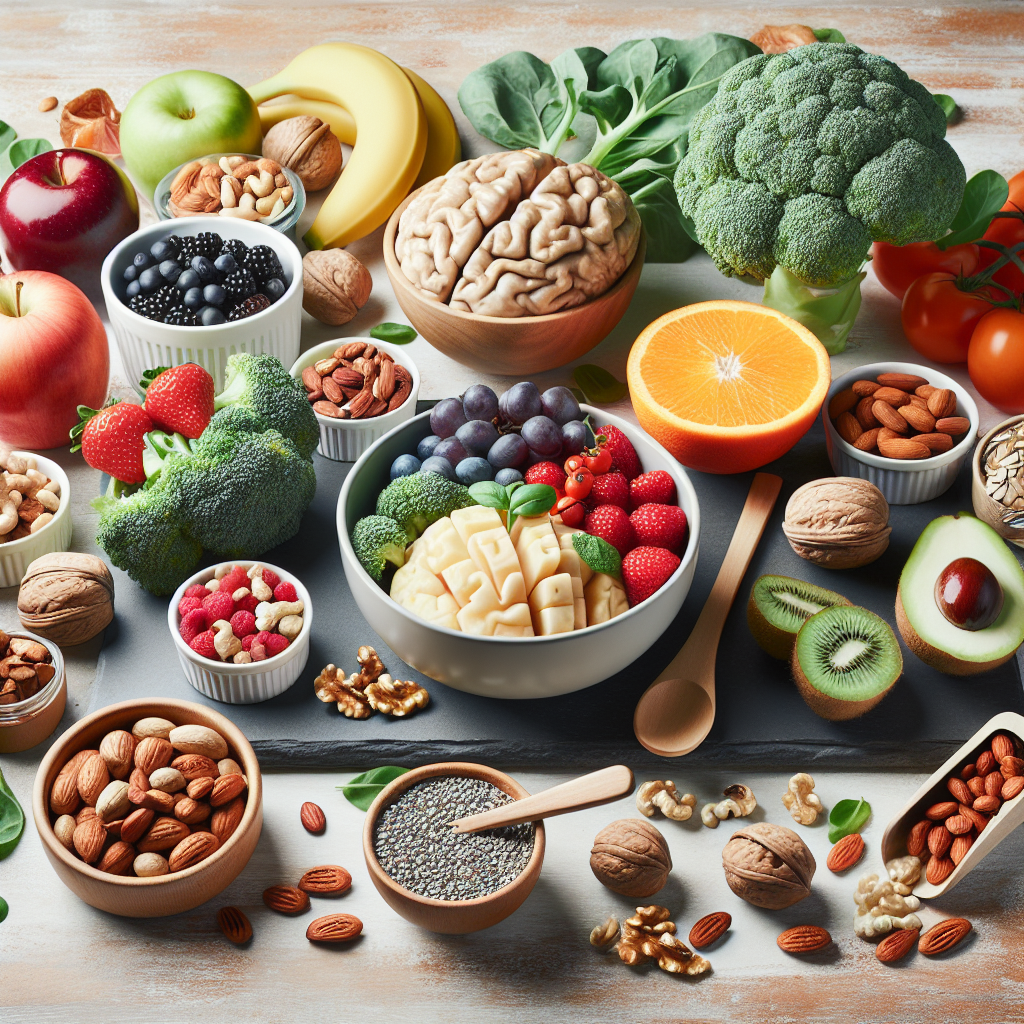
Boost Brain Health with Optimal Nutrition Strategies
The brain is an extraordinary organ, responsible for our thoughts, memories, emotions, and even our survival instincts. To function optimally, the brain requires a steady supply of nutrients. Emerging research suggests that certain foods and dietary patterns can significantly influence cognitive function, mood, and overall brain health. This article explores the various ways you can boost brain health through optimal nutrition strategies.
The Brain-Nutrition Connection
The brain, although only about 2% of the body’s weight, consumes roughly 20% of our daily energy intake. It is highly metabolically active and requires specific nutrients to perform its numerous functions. Key nutrients such as omega-3 fatty acids, antioxidants, vitamins, and minerals play crucial roles in maintaining cognitive function and protecting against neurodegenerative diseases.
Omega-3 Fatty Acids
Omega-3 fatty acids, particularly EPA and DHA, are essential for brain health. They are integral components of cell membranes and play a role in anti-inflammatory processes. Studies have shown that diets rich in omega-3s are associated with reduced risks of cognitive decline and may enhance memory and learning. Sources of omega-3s include fatty fish like salmon, mackerel, and sardines, as well as plant-based sources like flaxseeds, chia seeds, and walnuts.
Antioxidants
Antioxidants help to combat oxidative stress, which is a major contributor to cognitive decline and neurodegenerative diseases such as Alzheimer’s. Foods rich in antioxidants, such as berries, dark chocolate, and green tea, can help protect brain cells from damage. Vitamin E, found in nuts and seeds, is another potent antioxidant linked to better cognitive performance.
Vitamins and Minerals
Vitamins and minerals are vital for brain function. B vitamins, particularly B6, B12, and folate, support neurotransmitter function and cognitive processes. They can be found in whole grains, leafy greens, and legumes. Iron, zinc, and magnesium are also essential for brain health, supporting oxygen transport, neurotransmitter synthesis, and neuroprotection.
Dietary Patterns for Brain Health
Beyond individual nutrients, overall dietary patterns play a significant role in brain health. Two dietary patterns that have gained attention for their cognitive benefits are the Mediterranean diet and the DASH (Dietary Approaches to Stop Hypertension) diet.
Mediterranean Diet
The Mediterranean diet emphasizes whole grains, fruits, vegetables, nuts, olive oil, and lean proteins, particularly fish. This diet is rich in omega-3 fatty acids, antioxidants, and anti-inflammatory compounds. Studies have consistently shown that adherence to the Mediterranean diet is associated with a lower risk of cognitive decline and Alzheimer’s disease.
DASH Diet
Originally designed to combat hypertension, the DASH diet also supports brain health. It focuses on reducing sodium intake while promoting the consumption of fruits, vegetables, whole grains, and low-fat dairy. The diet is rich in nutrients that support vascular health, which is crucial for maintaining good brain function.
Foods to Include for Optimal Brain Health
To enhance brain health, consider incorporating the following foods into your diet:
Blueberries
Known as a “superfood,” blueberries are packed with antioxidants and phytonutrients that improve memory and cognitive function. Consuming blueberries regularly has been linked to delayed brain aging and improved brain plasticity.
Turmeric
This vibrant yellow spice contains curcumin, a compound with powerful anti-inflammatory and antioxidant properties. Curcumin has been shown to cross the blood-brain barrier and may help reduce symptoms of depression and delay the onset of neurodegenerative diseases.
Broccoli
Rich in antioxidants and vitamin K, broccoli is known to support brain health. Vitamin K is essential for forming sphingolipids, a type of fat found in brain cells.
Pumpkin Seeds
These seeds are a rich source of magnesium, iron, zinc, and copper. Each of these nutrients plays a crucial role in brain health, from neurotransmitter function to reducing neuronal damage.
Dark Chocolate
Dark chocolate with high cocoa content is rich in flavonoids, caffeine, and antioxidants. These components may enhance memory and stimulate endorphin production, improving mood.
Foods to Avoid for Brain Health
Just as some foods can enhance cognitive function, others can be detrimental. Avoiding or limiting these foods can support better brain health:
Refined Sugar
High sugar intake has been linked to impaired cognitive function and increased inflammation. Reducing sugar consumption can help maintain stable energy levels and protect against cognitive decline.
Trans Fats
Found in many processed and fried foods, trans fats can lead to inflammation and oxidative stress, increasing the risk of cognitive impairment and Alzheimer’s disease.
Excessive Alcohol
While moderate alcohol consumption might have some benefits, excessive intake can lead to brain damage and increase the risk of neurodegenerative diseases.
Lifestyle Considerations
Beyond diet, several lifestyle factors can influence brain health. Regular physical activity, adequate sleep, stress management, and mental stimulation are all crucial components of a brain-healthy lifestyle.
Physical Activity
Exercise increases blood flow to the brain and stimulates the production of neurotrophic factors, which support neuron growth and survival. Regular physical activity is associated with improved cognitive function and reduced risk of dementia.
Sleep
Quality sleep is essential for brain health. During sleep, the brain undergoes processes that help consolidate memories and remove toxins. Aim for 7-9 hours of quality sleep per night to support cognitive function.
Conclusion
Optimizing brain health through nutrition involves a holistic approach that includes consuming a balanced diet rich in omega-3 fatty acids, antioxidants, vitamins, and minerals. Embracing dietary patterns like the Mediterranean and DASH diets can provide comprehensive benefits. Additionally, lifestyle factors such as regular exercise, quality sleep, and stress management play crucial roles in maintaining cognitive function and reducing the risk of neurodegenerative diseases. By making informed choices about what we eat and how we live, we can support our brain health and enhance our overall well-being.
#ChatGPT assisted in the creation of this article.