
Inflammation is a natural response by the body’s immune system to protect against injury and infection. However, chronic inflammation can lead to a myriad of health issues, including heart disease, diabetes, arthritis, and even cancer. Recent research suggests that diet plays a vital role in managing inflammation levels. An anti-inflammatory diet is not just about reducing inflammation but also about promoting overall wellness. This article explores how adopting an anti-inflammatory diet can enhance your well-being and provides practical tips to incorporate anti-inflammatory foods into your daily meals.
Understanding Inflammation
Inflammation is part of the body’s defense mechanism. It occurs when the immune system identifies a threat, such as pathogens, damaged cells, or irritants, and reacts to protect the body. While acute inflammation is beneficial for healing, chronic inflammation can persist for weeks, months, or even years, leading to tissue damage and contributing to various diseases. Factors such as stress, pollution, and poor diet can exacerbate chronic inflammation.
The Role of Diet in Inflammation
Diet is a significant factor that influences inflammation levels in the body. Certain foods can trigger inflammatory responses, while others can help reduce them. The typical Western diet, which is high in processed foods, sugars, and unhealthy fats, is known to promote inflammation. On the other hand, a diet rich in whole foods, vegetables, fruits, lean proteins, and healthy fats can help manage and reduce inflammation.
Components of an Anti-Inflammatory Diet
An anti-inflammatory diet focuses on foods that minimize inflammation and support overall health. Here are the key components:
Fruits and Vegetables
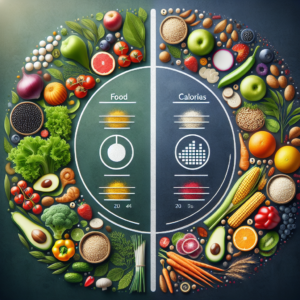
Fruits and vegetables are rich in antioxidants and phytochemicals that combat inflammation. Colorful produce such as berries, leafy greens, tomatoes, and cruciferous vegetables like broccoli and kale are particularly beneficial. Aim for a variety of colors on your plate to ensure a wide range of nutrients.
Whole Grains
Whole grains like brown rice, quinoa, oats, and whole wheat contain fiber and nutrients that help reduce inflammation. They also promote a healthy gut microbiome, which plays a role in regulating inflammation.
Healthy Fats
Omega-3 fatty acids, found in fatty fish like salmon, mackerel, and sardines, as well as in flaxseeds and walnuts, have anti-inflammatory properties. Incorporating these into your diet can help balance the ratio of omega-3 to omega-6 fatty acids, which is crucial in controlling inflammation.
Lean Proteins
Choosing lean proteins such as chicken, turkey, and plant-based proteins like beans and lentils can help maintain muscle mass and provide essential nutrients without contributing to inflammation. Reducing the intake of red and processed meats is also recommended.
Herbs and Spices
Herbs and spices like turmeric, ginger, garlic, and cinnamon have powerful anti-inflammatory effects. Including these in your cooking not only enhances flavor but also contributes to reducing inflammation.
Foods to Avoid
In addition to incorporating anti-inflammatory foods, it’s important to limit foods that can promote inflammation:
Processed Foods
Foods high in refined sugars, trans fats, and additives can trigger inflammatory responses. These include sugary snacks, fast food, and pre-packaged meals.
Refined Carbohydrates
Products made with white flour, such as white bread and pastries, can spike blood sugar levels and contribute to inflammation. Opt for whole grain alternatives instead.
Excessive Alcohol
While moderate alcohol consumption may have some health benefits, excessive drinking can lead to inflammation and other health issues. Limit alcohol intake to maintain balance.
Incorporating an Anti-Inflammatory Diet into Daily Life
Transitioning to an anti-inflammatory diet doesn’t have to be overwhelming. Here are some practical tips to get started:
Plan Your Meals
Planning your meals in advance can help you make healthier choices and avoid last-minute temptations. Include a variety of anti-inflammatory foods in your meal plan.
Cook at Home
Preparing meals at home gives you control over ingredients and cooking methods. Experiment with herbs and spices to create flavorful dishes that support your health.
Stay Hydrated
Drinking plenty of water supports overall health and helps to flush out toxins that may contribute to inflammation.
Mindful Eating
Practice mindful eating by paying attention to hunger cues and savoring each bite. This can help prevent overeating and promote a healthy relationship with food.
The Benefits of an Anti-Inflammatory Diet
Adopting an anti-inflammatory diet offers numerous health benefits beyond reducing inflammation:
Improved Heart Health
A diet rich in anti-inflammatory foods can help lower cholesterol levels and reduce the risk of heart disease.
Better Weight Management
Whole foods and fiber-rich options keep you feeling full, making it easier to maintain a healthy weight.
Enhanced Mental Clarity
Anti-inflammatory foods provide essential nutrients that support brain function and may reduce the risk of cognitive decline.
Reduced Risk of Chronic Diseases
By managing inflammation, you can lower your risk of developing conditions such as diabetes, arthritis, and certain types of cancer.
Conclusion
An anti-inflammatory diet is a powerful tool for promoting wellness and preventing chronic diseases. By focusing on whole, nutrient-dense foods and minimizing inflammatory triggers, you can support your body’s natural defense mechanisms and enhance your overall quality of life. Start small by incorporating more fruits, vegetables, and healthy fats into your meals, and gradually reduce your intake of processed and inflammatory foods. Remember, the journey to better health is a lifelong commitment, and every step you take towards an anti-inflammatory lifestyle is a step towards a healthier, happier you.