
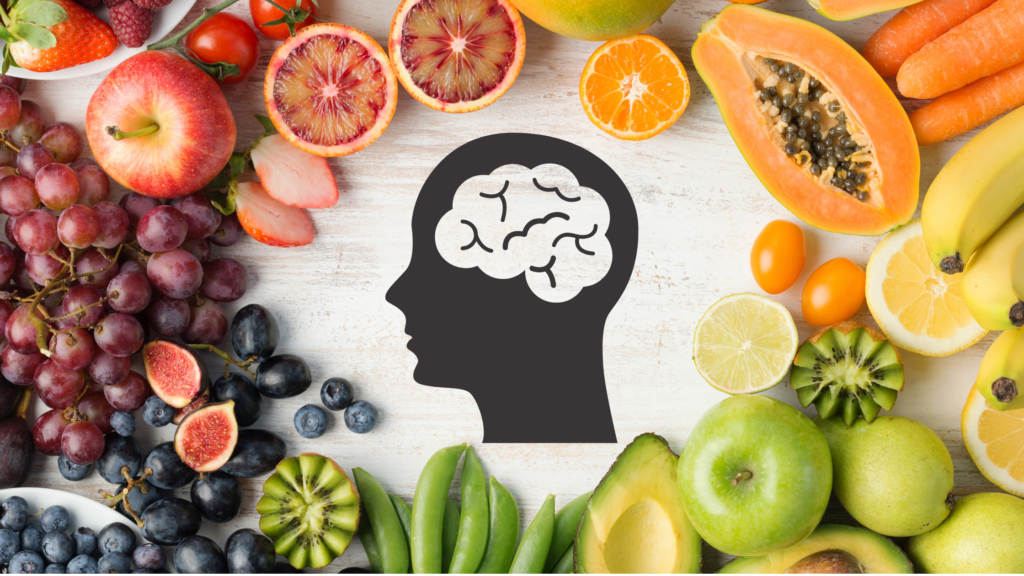
In today’s fast-paced world, mental health has become a vital component of overall well-being. While therapy, meditation, and exercise are often discussed as beneficial practices, the role of diet in mental health is frequently overlooked. This article explores how a balanced diet can significantly influence mental health, offering insights into how you can boost your mental well-being through nutritional choices.
The Connection Between Diet and Mental Health
Research has increasingly demonstrated a strong link between diet and mental health. The brain is an organ that requires a variety of nutrients to function optimally. Poor nutrition can lead to chemical imbalances, which may contribute to mental health disorders such as depression and anxiety.
Consuming a balanced diet not only supports physical health but also enhances cognitive function, mood regulation, and emotional resilience. Nutrients like omega-3 fatty acids, vitamins, and minerals play a crucial role in maintaining brain health and promoting a positive mental state.
Essential Nutrients for Mental Health
Omega-3 Fatty Acids
Omega-3 fatty acids, found in fish such as salmon and sardines, as well as in flaxseeds and walnuts, have been shown to reduce symptoms of depression and anxiety. These essential fats support brain cell membrane fluidity and are involved in the production of neurotransmitters like serotonin, which regulates mood.
Vitamins B6, B12, and Folate
B vitamins, including B6, B12, and folate, are crucial for brain health. They help produce and regulate neurotransmitters, and deficiencies can lead to mood disorders and cognitive decline. Leafy greens, beans, eggs, and poultry are excellent sources of these vitamins.
Antioxidants
Antioxidants combat oxidative stress, which is linked to inflammation and mental health disorders. Foods rich in antioxidants, such as berries, dark chocolate, and nuts, can protect brain cells and enhance mental clarity.
Magnesium
Magnesium plays a significant role in brain function and mood regulation. It helps control the hypothalamic-pituitary-adrenal (HPA) axis, which influences stress response. Magnesium-rich foods include spinach, almonds, and black beans.
The Gut-Brain Connection
The gut-brain axis is a bidirectional communication system between the gastrointestinal tract and the central nervous system. Emerging research suggests that gut health is closely linked to mental health, with the gut microbiome playing a critical role.
A diet high in processed foods and low in fiber can disrupt the balance of gut bacteria, potentially leading to mental health issues. Conversely, a diet rich in probiotics and prebiotics, such as yogurt, kefir, garlic, and onions, supports a healthy gut microbiome and may improve mood and cognitive function.
The Impact of Sugar and Processed Foods
High sugar intake and consumption of processed foods have been linked to increased rates of depression and anxiety. These foods can cause blood sugar spikes and crashes, leading to mood swings and fatigue. Moreover, they often lack essential nutrients needed for brain health.
Reducing sugar and processed foods in your diet can stabilize blood sugar levels, reduce inflammation, and improve overall mental well-being. Opt for whole, unprocessed foods that provide sustained energy and nutrients necessary for optimal brain function.
Creating a Balanced Diet for Mental Health
To boost mental health through diet, focus on creating balanced meals that include a variety of nutrient-dense foods. Here are some tips to help you get started:
Incorporate Variety
Aim to include a wide range of foods in your diet to ensure you receive all the necessary nutrients. Experiment with different fruits, vegetables, whole grains, lean proteins, and healthy fats.
Focus on Whole Foods
Choose whole, unprocessed foods over refined and packaged options. Whole foods retain their natural nutrients and are free from additives that can negatively impact mental health.
Practice Mindful Eating
Mindful eating involves paying attention to the flavors, textures, and sensations of your food. This practice can enhance your relationship with food, reduce overeating, and improve digestion.
Stay Hydrated
Proper hydration is essential for brain function. Dehydration can lead to fatigue, impaired concentration, and mood disturbances. Aim to drink at least eight glasses of water daily.
Plan Balanced Meals
When planning meals, aim for a balance of macronutrients: carbohydrates, proteins, and fats. Each macronutrient plays a specific role in brain health and energy levels.
Conclusion
A balanced diet is a powerful tool for enhancing mental health. By incorporating nutrient-dense foods, reducing processed foods and sugars, and supporting gut health, you can positively influence your mental well-being. Remember that dietary changes may take time to show effects, and it’s essential to maintain a consistent, healthy eating pattern.
As you embark on this journey, consider consulting with a nutritionist or healthcare provider to tailor dietary choices to your individual needs. Together with other mental health strategies, a balanced diet can lead to improved mood, cognitive function, and overall quality of life.
#ChatGPT assisted in the creation of this article.