
Introduction
Achieving a healthy weight is a journey that involves more than just shedding pounds; it’s about making sustainable lifestyle changes. A slimming diet that promotes lasting weight loss focuses on balanced nutrition, portion control, and long-term habits rather than quick fixes. This article explores the components of an effective healthy slimming diet, offering insights into how you can achieve and maintain your weight loss goals.
The Foundation of a Healthy Slimming Diet
An effective slimming diet is built on a foundation of nutrient-dense foods, mindful eating, and adequate hydration. The goal is to create a calorie deficit while ensuring that the body receives all the necessary nutrients for optimal function and health.
Nutrient-Dense Foods
To lose weight effectively, it is crucial to focus on foods that are high in nutrients but low in calories. These include:
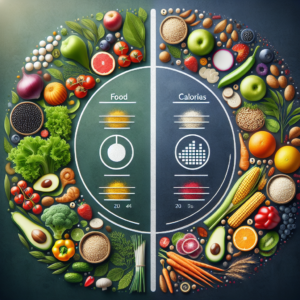
- Fruits and Vegetables: Rich in vitamins, minerals, and fiber, fruits and vegetables should make up a significant portion of your diet. They are low in calories but high in volume, which helps you feel full longer.
- Whole Grains: Opt for whole grains like quinoa, brown rice, and oats, which are higher in fiber and nutrients compared to refined grains. They help regulate blood sugar levels and keep you satiated.
- Lean Proteins: Include sources of lean protein such as chicken, turkey, fish, tofu, and legumes. Protein is essential for muscle maintenance and can increase satiety.
- Healthy Fats: Incorporate healthy fats from sources like avocados, nuts, seeds, and olive oil. These fats support heart health and can aid in feeling full.
Portion Control and Caloric Awareness
Understanding portion sizes and caloric intake is vital for weight loss. Eating mindfully and paying attention to hunger cues can prevent overeating. Here are some strategies:
- Smaller Plates: Using smaller plates can naturally encourage smaller portions, helping to control calorie intake.
- Mindful Eating: Focus on your meals without distractions such as TV or smartphones. Chew slowly and savor each bite to enhance satisfaction and prevent overeating.
- Reading Labels: Learn to read food labels to understand serving sizes and calorie content, making informed choices easier.
Hydration and Its Role in Weight Loss
Staying hydrated is often overlooked in weight loss plans, but it plays a crucial role. Drinking water can boost metabolism, reduce appetite, and help the body efficiently process nutrients.
- Water Intake: Aim for at least 8-10 glasses of water a day. Drinking a glass of water before meals can also help you eat less by promoting a sense of fullness.
- Limit Sugary Drinks: Avoid high-calorie beverages like sodas and sugary juices. Opt for water, herbal teas, or infusions with fruits and herbs.
Creating a Balanced Meal Plan
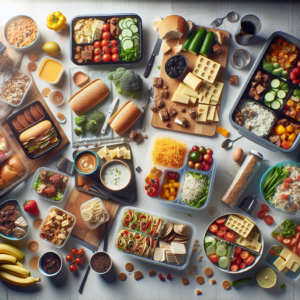
A balanced meal plan is essential to ensure you’re getting the right mix of nutrients. Here’s how to structure your meals:
Breakfast
Start your day with a nutritious breakfast to kickstart your metabolism. Include a combination of protein, complex carbohydrates, and healthy fats.
- Example: Oatmeal topped with berries, a spoonful of almond butter, and a sprinkle of chia seeds.
Lunch
Your midday meal should be satisfying yet light enough to keep energy levels stable throughout the afternoon.
- Example: Grilled chicken salad with a variety of colorful vegetables, a handful of nuts, and a vinaigrette dressing.
Dinner
Dinner should be balanced but not heavy, as metabolism slows down in the evening.
- Example: Baked salmon with steamed broccoli, quinoa, and a side of mixed greens.
Snacks
Opt for healthy snacks to curb hunger between meals.
- Example: A small apple with a handful of almonds or a Greek yogurt with berries.
Exercise: The Perfect Companion to Diet
While diet plays a significant role in weight loss, combining it with regular physical activity enhances results. Exercise not only burns calories but also builds muscle, improving overall body composition.
- Cardiovascular Exercise: Engage in aerobic activities like walking, jogging, cycling, or swimming to burn calories and improve heart health.
- Strength Training: Incorporate strength training exercises such as weightlifting or resistance band workouts to build muscle, which can boost metabolism.
- Flexibility and Balance: Activities like yoga or Pilates can improve flexibility and balance, contributing to overall fitness and well-being.
The Importance of Sleep and Stress Management
Sleep and stress management are often overlooked but are essential components of a successful weight loss plan.
Sleep
Aim for 7-9 hours of quality sleep per night. Lack of sleep can disrupt hormones related to hunger and appetite, potentially leading to weight gain.
Stress Management
Chronic stress can trigger emotional eating and cravings for unhealthy foods. Incorporate stress-reducing activities such as meditation, deep breathing exercises, or hobbies you enjoy.
Setting Realistic Goals and Tracking Progress
Setting realistic goals and tracking your progress is crucial for staying motivated and making necessary adjustments.
Goal Setting
Set specific, measurable, achievable, relevant, and time-bound (SMART) goals. Instead of targeting to lose a large amount of weight quickly, aim for 1-2 pounds per week, which is considered healthy and sustainable.
Tracking Progress
Keep a food diary or use a mobile app to log meals, exercise, and other relevant information. Regularly review your progress and adjust your plan as needed.
Conclusion
Achieving lasting weight loss requires a commitment to a healthy lifestyle that includes a balanced diet, regular exercise, adequate hydration, and proper sleep. By focusing on nutritious foods, portion control, and sustainable habits, you can reach your weight loss goals and maintain them for the long term. Remember, the journey to a healthier you is not about perfection but about making consistent, positive changes.
#ChatGPT assisted in the creation of this article.