Losing weight is a goal for many people, but achieving fast results requires a strategic approach that combines healthy eating with consistent lifestyle changes. An effective weight loss meal plan can help you shed unwanted pounds quickly and sustainably. This article will guide you through a comprehensive meal plan designed to accelerate weight loss while ensuring your body receives the essential nutrients it needs.
The Importance of a Balanced Diet
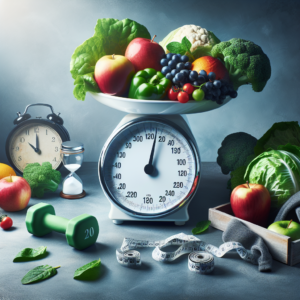
A balanced diet is crucial for effective weight loss. It provides your body with the nutrients it needs to function optimally, helps regulate your metabolism, and can curb cravings that may lead to overeating. A balanced diet should include a variety of foods from all food groups: proteins, carbohydrates, fats, vitamins, and minerals.
Understanding Caloric Deficit
To lose weight, you need to burn more calories than you consume, creating a caloric deficit. A well-planned meal plan will help you manage your calorie intake without feeling deprived. It’s important to choose foods that are low in calories but high in nutrients to maintain energy levels and support bodily functions.
Crafting an Effective Meal Plan
1. Determine Your Caloric Needs
First, calculate your Basal Metabolic Rate (BMR) to understand how many calories your body needs at rest. Then, factor in your level of physical activity to determine your Total Daily Energy Expenditure (TDEE). To create a caloric deficit, aim to consume 500-1000 calories less than your TDEE, which can lead to a healthy weight loss of 1-2 pounds per week.
2. Incorporate Nutrient-Dense Foods
Focus on foods that are rich in nutrients but low in calories. These include fruits, vegetables, whole grains, lean proteins, and healthy fats. These foods will help you feel full and satisfied while providing essential vitamins and minerals.
3. Plan Your Meals and Snacks
A structured meal plan that includes three main meals and two snacks can help prevent overeating and stabilize blood sugar levels. Ensure that each meal contains a balance of macronutrients: protein, carbohydrates, and fats.
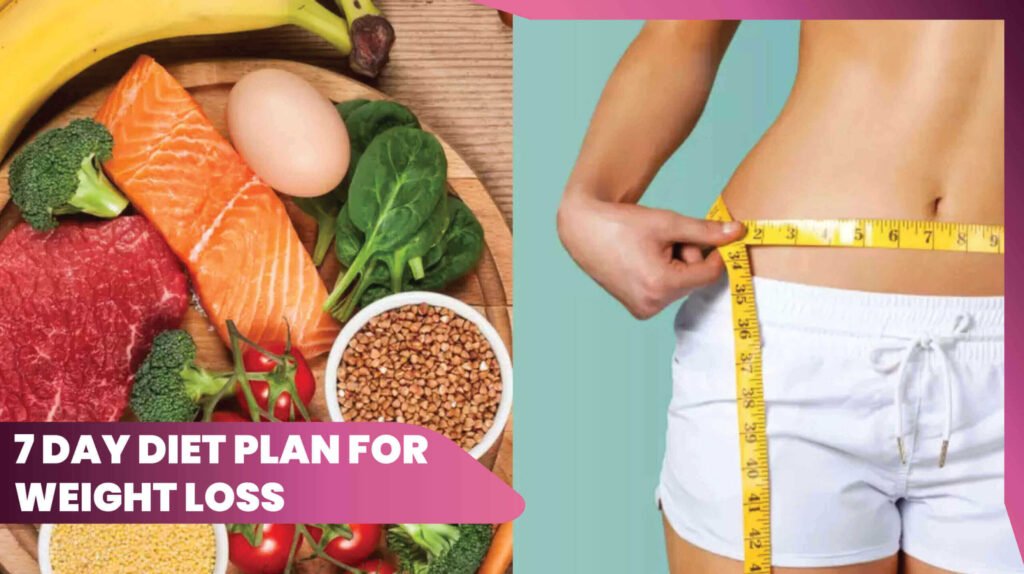
Sample Meal Plan for Fast Weight Loss
Breakfast
Start your day with a protein-rich breakfast to boost metabolism and keep you full longer. Consider options like:
- Oatmeal topped with fresh berries and a sprinkle of chia seeds.
- Greek yogurt with sliced almonds and a drizzle of honey.
- Scrambled eggs with spinach and whole-grain toast.
Mid-Morning Snack
A healthy snack can keep energy levels high and prevent hunger. Try these options:
- A small handful of mixed nuts.
- Carrot sticks with hummus.
- An apple with a tablespoon of almond butter.
Lunch
Choose a lunch that combines protein, fiber, and healthy fats. Some ideas include:
- Grilled chicken salad with mixed greens, cherry tomatoes, and avocado.
- Quinoa bowl with black beans, corn, salsa, and shredded lettuce.
- Turkey and cheese wrap with whole-grain tortilla and a side of raw veggies.
Afternoon Snack
Keep your metabolism active with a small snack such as:
- Cottage cheese with pineapple chunks.
- A protein smoothie with spinach, banana, and almond milk.
- Rice cakes topped with hummus and cucumber slices.
Dinner
Conclude your day with a wholesome dinner that is satisfying yet light:
- Baked salmon with steamed broccoli and brown rice.
- Stir-fry tofu with bell peppers and snap peas served over quinoa.
- Beef stir-fry with mixed vegetables and a side of sweet potatoes.
Hydration and Its Role in Weight Loss
Staying hydrated is essential for weight loss as it helps regulate appetite and boosts metabolism. Aim to drink at least 8-10 glasses of water per day. Sometimes, our bodies confuse thirst with hunger, so drinking water before meals can help reduce unnecessary calorie intake.
Exercise: Complementing Your Meal Plan
While a well-structured meal plan is crucial for weight loss, combining it with regular exercise can enhance results. Engage in a mix of cardiovascular exercises, strength training, and flexibility exercises to maximize fat loss and improve overall fitness. Aim for at least 150 minutes of moderate aerobic activity or 75 minutes of vigorous activity per week, along with strength training exercises at least two days per week.
Monitoring Progress and Making Adjustments
Track your food intake, physical activity, and weight loss progress to understand what works best for you. There are numerous apps available that can help you log meals and exercise. Be open to adjusting your meal plan based on your progress and how your body responds.
Overcoming Challenges
Weight loss can be challenging, and there may be times when you feel discouraged. Here are some tips to overcome common hurdles:
- Plateaus: If your weight loss stalls, consider adjusting your caloric intake or increasing your physical activity.
- Cravings: Manage cravings by opting for healthier alternatives or practicing mindful eating techniques.
- Lack of Motivation: Set realistic goals and reward yourself for achieving milestones to stay motivated.
Conclusion
Achieving fast weight loss results requires a commitment to balanced nutrition and a healthy lifestyle. By following the meal plan outlined in this article, you can create a caloric deficit while ensuring your body receives the nutrients it needs. Remember to complement your diet with regular exercise, stay hydrated, and monitor your progress to make necessary adjustments. With dedication and perseverance, you can reach your weight loss goals and enjoy improved health and well-being.
#ChatGPT assisted in the creation of this article.