
Introduction
Achieving and maintaining a healthy weight is a goal for many, but the journey can often feel daunting. With countless diets and exercise programs available, it can be challenging to determine which path to take. This article provides an effective weight loss routine designed for lasting results, focusing on a balanced approach that incorporates diet, exercise, and lifestyle changes.
The Importance of Setting Realistic Goals
Before embarking on any weight loss journey, it is crucial to set realistic goals. Unrealistic expectations can lead to frustration and abandonment of the plan. Begin by identifying a healthy weight range for your body type and consider factors such as age, sex, and physical activity level. Remember, the goal is to achieve a sustainable lifestyle change, not just a temporary fix.
Understanding Caloric Needs
Weight loss fundamentally revolves around the principle of calories in versus calories out. To lose weight, you need to consume fewer calories than you burn. However, it’s important not to cut calories too drastically as this can lead to muscle loss and a slowed metabolism. Use a calorie calculator to determine your daily caloric needs and aim for a moderate deficit of 500 to 1,000 calories per day to lose approximately 1 to 2 pounds per week.
Crafting a Balanced Diet
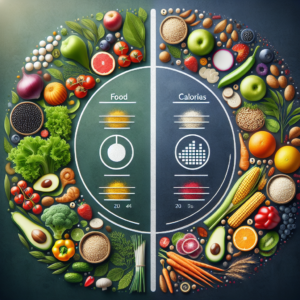
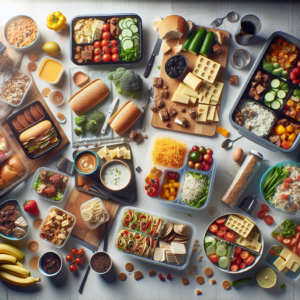
A balanced diet is crucial for effective and sustainable weight loss. Focus on nutrient-dense foods that provide essential vitamins and minerals. Here are some key dietary components to consider:
Lean Proteins
Incorporate lean proteins such as chicken, fish, tofu, and legumes. These foods help build and repair muscle tissues, keeping you fuller for longer periods.
Complex Carbohydrates
Choose whole grains like brown rice, quinoa, and oats. These carbohydrates are rich in fiber, which aids digestion and helps maintain steady blood sugar levels.
Healthy Fats
Include sources of healthy fats like avocados, nuts, seeds, and olive oil. These fats are essential for hormone regulation and overall body function.
Fruits and Vegetables
Aim to fill half your plate with fruits and vegetables. They are low in calories but high in essential nutrients and fiber, making them perfect for weight loss.
Creating an Effective Exercise Routine
Exercise is a vital component of any weight loss routine. It helps burn calories, build muscle, and improve overall health. A well-rounded exercise program should include:
Cardiovascular Exercise
Engaging in regular cardio activities such as walking, running, cycling, or swimming can significantly boost your calorie burn. Aim for at least 150 minutes of moderate-intensity cardio or 75 minutes of vigorous-intensity cardio per week.
Strength Training
Incorporate strength training exercises at least two days per week. Building muscle increases your resting metabolic rate, which means you’ll burn more calories even when not exercising. Focus on compound movements such as squats, deadlifts, and push-ups for maximum efficiency.
Flexibility and Balance
Don’t overlook flexibility and balance exercises like yoga or Pilates. These activities enhance overall body function, reduce the risk of injury, and improve mental well-being.
Lifestyle Changes for Lasting Results
Sustainable weight loss is not just about diet and exercise; it also involves making lasting lifestyle changes. Consider the following tips:
Prioritize Sleep
Adequate sleep is crucial for weight loss and overall health. Aim for 7-9 hours per night to regulate hunger hormones and improve energy levels.
Manage Stress
Chronic stress can lead to weight gain due to increased levels of cortisol, a hormone that promotes fat storage. Incorporate stress-reduction techniques such as meditation, deep breathing exercises, or hobbies that bring joy.
Stay Hydrated
Drinking enough water is essential for maintaining a healthy metabolism and aiding digestion. Aim for at least 8 cups of water per day, and more if you’re physically active.
Mindful Eating
Practice mindful eating by paying attention to hunger cues and savoring each bite. Avoid distractions such as TV or phones during meals to prevent overeating.
Tracking Progress and Staying Motivated
Regularly tracking your progress can help keep you motivated and on track. Consider keeping a journal to record your meals, workouts, and any changes in your weight or measurements. Celebrate small victories along the way and remember that setbacks are a part of the process. Stay focused on your long-term goals and be patient with yourself.
Conclusion
Achieving lasting weight loss requires a comprehensive and balanced approach that combines a healthy diet, regular exercise, and positive lifestyle changes. By setting realistic goals, understanding caloric needs, and making sustainable changes, you can achieve and maintain your desired weight. Remember, weight loss is a journey, not a destination, and the habits you develop along the way will contribute to a healthier and happier life.
#ChatGPT assisted in the creation of this article.