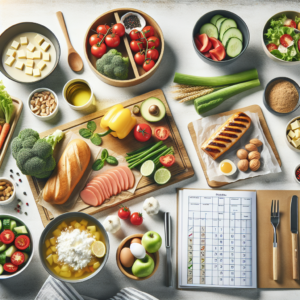
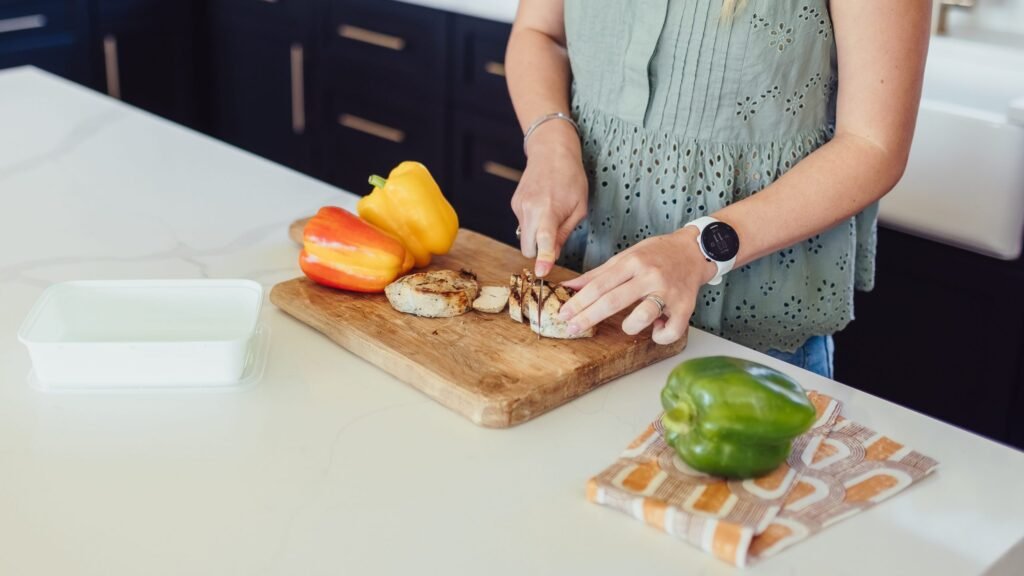
Meal prepping has become a popular trend, especially among busy individuals looking to maintain a healthy diet without the hassle of cooking every day. By spending a few hours each week preparing meals in advance, you can save time, reduce stress, and enjoy the benefits of home-cooked meals even on the busiest days. This article will guide you through essential meal prep tips for beginners, helping you get started on your journey to efficient and effective meal planning.
Benefits of Meal Prep
Before diving into the tips, it’s important to understand the benefits of meal prep:
- Time-Saving: Prepare meals in advance so you can spend less time cooking during the week.
- Cost-Effective: Buy ingredients in bulk and reduce the temptation of expensive takeout.
- Healthier Eating: Control portion sizes and ingredients to maintain a balanced diet.
- Reduced Stress: Eliminate the daily “What should I eat?” dilemma.
1. Start with a Plan
The first step in successful meal prepping is creating a detailed plan. Here’s how you can start:
Assess Your Needs
Evaluate how many meals you need to prepare for the week. Consider your schedule, dietary requirements, and personal preferences. Do you need breakfast, lunch, and dinner planned out? Or just meals for certain days?
Create a Menu
Once you have a clear understanding of your needs, create a menu for the week. Include a variety of meals to keep things interesting and ensure you’re getting a balanced diet. Incorporate different protein sources, vegetables, grains, and healthy fats.
Make a Grocery List
Based on your menu, compile a comprehensive grocery list. Organize it by category (e.g., produce, dairy, grains) to make your shopping trip more efficient.
2. Invest in Quality Containers
Proper storage is crucial for maintaining the freshness and quality of your prepped meals. Consider the following when choosing containers:
Choose the Right Material
Opt for BPA-free plastic or glass containers. Glass containers are durable and microwave-safe, making them a versatile choice. However, plastic containers are lightweight and often more affordable.
Variety of Sizes
Ensure you have a range of container sizes for different meal portions. Small containers are great for snacks and sauces, while larger ones can accommodate full meals.
Leak-Proof and Stackable
Look for containers with tight-fitting lids to prevent leaks and messes. Stackable containers will help maximize space in your refrigerator or freezer.
3. Cook in Batches
Batch cooking is a cornerstone of meal prep. By cooking large quantities at once, you can simplify your routine and minimize cleanup.
Focus on Versatile Ingredients
Choose ingredients that can be used in multiple dishes. For example, roasted chicken can be added to salads, wraps, or stir-fries. Cooked grains like quinoa or rice can be served with different proteins and vegetables.
Utilize Kitchen Appliances
Make the most of your kitchen appliances to streamline the process. Slow cookers, pressure cookers, and ovens are excellent for cooking large quantities with minimal effort.
Schedule Your Cooking Day
Set aside a specific day each week for meal prep. Whether it’s Sunday afternoon or a weekday evening, consistency will help you establish a routine.
4. Master the Art of Portion Control
One common pitfall in meal prep is over-portioning, which can lead to food waste and overeating.
Use Measuring Tools
Invest in measuring cups, spoons, and a kitchen scale to ensure accurate portion sizes. This will help you maintain a balanced diet and control calorie intake.
Pre-Portion Meals
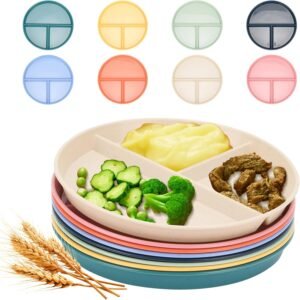
Divide prepped ingredients into individual servings before storing them. This not only makes it easier to grab a meal on-the-go but also prevents overindulging.
5. Keep It Simple
As a beginner, it’s important not to overwhelm yourself with complex recipes and elaborate meals.
Start with Familiar Recipes
Begin with recipes you already know and love. This will build your confidence and make the transition to meal prep smoother.
Limit the Number of Recipes
Choose a few recipes to focus on each week. As you become more comfortable, you can gradually expand your repertoire.
6. Stay Organized
An organized kitchen is essential for efficient meal prep.
Label Everything
Label containers with the contents and date of preparation. This helps you keep track of freshness and plan meals accordingly.
Arrange by Expiry
Place items that need to be consumed sooner at the front of the fridge or freezer. This reduces the risk of food spoilage and waste.
7. Embrace Flexibility
While planning is crucial, it’s equally important to remain flexible.
Be Prepared for Changes
Life can be unpredictable, so be ready to adjust your plan if necessary. Have a few backup meals or ingredients on hand for unexpected events.
Experiment and Adapt
Don’t be afraid to experiment with new recipes and ingredients. Adapt your meal prep strategy based on what works best for you and your lifestyle.
8. Safety and Hygiene
Maintaining food safety is essential to prevent foodborne illnesses.
Proper Cooling
Cool cooked foods quickly before storing them in the fridge or freezer. This prevents bacteria growth and maintains food quality.
Reheat Safely
Ensure meals are reheated to the appropriate temperature before consuming. Use a food thermometer to check that your meals reach at least 165°F (74°C).
Conclusion
Meal prepping is a game-changer for anyone looking to simplify their life and improve their diet. By following these essential tips, beginners can embark on a successful meal prep journey. Remember, the key is to start small, stay organized, and remain flexible. Over time, meal prepping will become a seamless part of your routine, saving you time, money, and effort while promoting healthier eating habits.