Introduction to Meal Planning
Meal planning is a powerful tool for anyone looking to eat healthier, save time, and reduce food waste. However, for beginners, the concept might seem overwhelming. This guide aims to simplify meal planning by offering easy-to-follow tips and strategies that will help you master the basics and build confidence in your culinary routine.
Understanding the Benefits of Meal Planning
Before diving into the practical aspects, it’s important to understand why meal planning is beneficial. Here are some key advantages:
- Improved Nutrition: Planning meals ahead allows you to ensure a balanced diet, incorporating all the necessary nutrients.
- Time Efficiency: By planning meals, you save time on daily decision-making and reduce trips to the grocery store.
- Cost Savings: Meal planning helps you stick to a budget by buying only what you need, reducing impulse purchases.
- Reduced Food Waste: By planning, you minimize the risk of food spoiling before it’s used.
- Stress Reduction: Knowing what’s for dinner each night can reduce the stress of last-minute meal decisions.
Getting Started with Meal Planning
Starting with meal planning doesn’t require extensive culinary skills or elaborate meal ideas. Here’s how you can begin:
1. Assess Your Needs
Consider your dietary preferences, nutritional requirements, and schedule. Are there any specific dietary goals you’re aiming for, such as increasing protein intake or incorporating more vegetables? Knowing this will guide your meal choices.
2. Start Small
Begin by planning just a few meals each week. This prevents you from feeling overwhelmed and allows you to adjust to the process gradually. As you become more comfortable, you can extend your planning to cover more meals.
3. Create a Master List
Compile a list of go-to recipes that are simple, quick, and enjoyed by everyone in your household. This list will serve as your starting point when planning meals each week.
Essential Tips for Effective Meal Planning
With your initial setup done, you can refine your meal planning process using these essential tips:
1. Choose a Planning Day
Select a specific day each week to plan your meals. Many people find that planning over the weekend works best, as it allows them to prepare for the upcoming week without the rush of workdays.
2. Inventory Check
Before making your shopping list, check your pantry, fridge, and freezer. This helps you avoid buying items you already have and can inspire meals based on available ingredients.
3. Build a Balanced Meal
A balanced meal typically includes a protein source, vegetables, and a carbohydrate. Use this formula to guide your meal choices, ensuring you meet your nutritional needs.
4. Batch Cooking
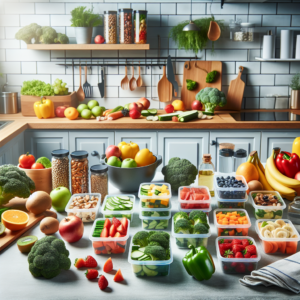
Cooking in bulk can save time and effort. Prepare larger quantities of meals that can be refrigerated or frozen for future use. This is especially useful for busy weekdays.
5. Embrace Leftovers
Plan for leftovers by intentionally cooking more than needed. Leftovers make for quick lunches or dinners later in the week and help reduce food waste.
Sample Meal Plan for Beginners
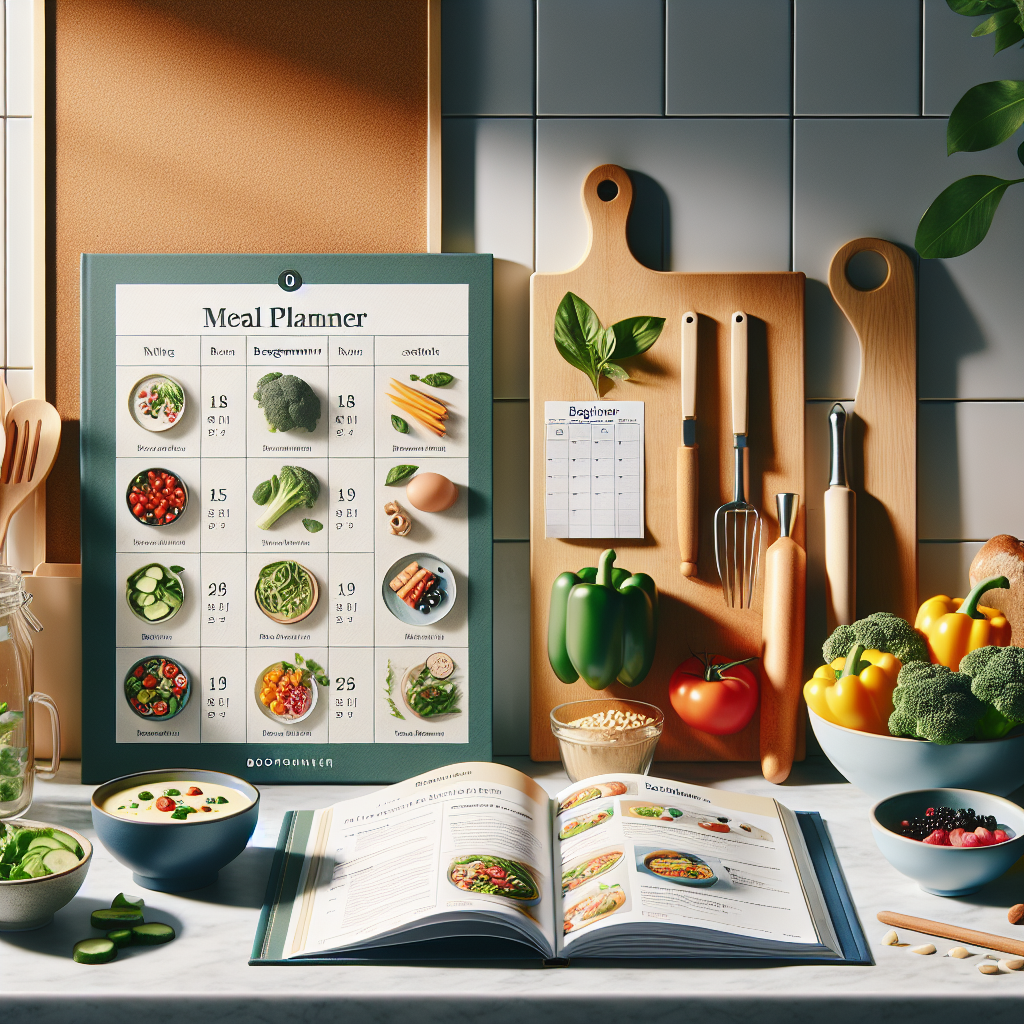
To illustrate how these tips come together, here’s a simple meal plan for a week:
Monday:
- Breakfast: Overnight oats with fresh berries and honey.
- Lunch: Quinoa salad with chickpeas, cucumber, and feta cheese.
- Dinner: Grilled chicken with steamed broccoli and rice.
Tuesday:
- Breakfast: Smoothie with spinach, banana, and almond milk.
- Lunch: Turkey and cheese wrap with a side of baby carrots.
- Dinner: Spaghetti with marinara sauce and a mixed green salad.
Wednesday:
- Breakfast: Whole grain toast with avocado and poached egg.
- Lunch: Lentil soup with whole grain bread.
- Dinner: Baked salmon with quinoa and roasted asparagus.
Thursday:
- Breakfast: Greek yogurt with granola and sliced almonds.
- Lunch: Chicken Caesar salad with whole grain croutons.
- Dinner: Stir-fried tofu with vegetables and brown rice.
Friday:
- Breakfast: Banana pancakes with maple syrup.
- Lunch: Caprese sandwich with a side of mixed greens.
- Dinner: Beef tacos with avocado and salsa.
Adjusting and Adapting Your Plan
As you practice meal planning, you’ll find the need to adjust and adapt your plan based on various factors like seasonal produce, sales, and personal preferences. Here are some strategies to keep your meal planning flexible:
1. Seasonal Variations
Incorporate seasonal fruits and vegetables into your meal plan. They are often fresher, more nutritious, and more affordable.
2. Sales and Discounts
Take advantage of sales and discounts at your local grocery store. Plan your meals around items that are on sale to save money.
3. Personal Preferences
Don’t hesitate to switch up recipes or try new ones to keep your meal plan exciting and aligned with your taste preferences.
Conclusion
Mastering meal planning as a beginner is about simplicity, consistency, and a willingness to adapt. By starting small and incorporating these easy tips, you’ll find that meal planning becomes a valuable habit that enhances your lifestyle. With practice, you’ll not only save time and money but also enjoy a healthier and more balanced diet. Happy meal planning!
#ChatGPT assisted in the creation of this article.