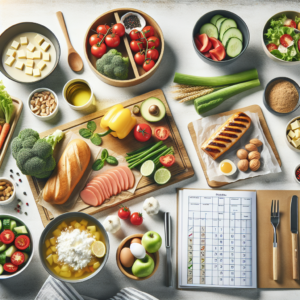

In today’s fast-paced world, where expenses can quickly add up, mastering the art of budget meal planning is a valuable skill. Not only does it help in saving money, but it also ensures that you and your family enjoy nutritious and delicious meals. This guide will walk you through the essentials of creating affordable feasts without compromising on taste or quality.
Understanding the Basics of Budget Meal Planning
Budget meal planning revolves around strategically organizing your meals to minimize waste and maximize savings. The cornerstone of this approach includes planning, shopping wisely, and cooking efficiently. By focusing on these aspects, you can significantly reduce your grocery bills while still enjoying a variety of meals.
Plan Ahead
The first step in budget meal planning is to have a clear plan. Spend some time each week to map out your meals. Decide on breakfasts, lunches, and dinners, and consider how leftovers might be repurposed for subsequent meals. Ensure that your meal plan includes a variety of foods to meet nutritional needs.
Smart Shopping
Once you have a meal plan, create a detailed shopping list. Stick to this list to avoid impulse purchases that can inflate your grocery bill. Consider buying in bulk, especially for staple items like rice, beans, and pasta, which can be stored for long periods. Keep an eye out for sales and discounts, and don’t shy away from store brands, which often offer comparable quality at a lower price.
Cooking Efficiently
Efficient cooking reduces waste and saves time. Batch cooking is a great way to prepare meals in advance, ensuring that you have ready-to-eat options throughout the week. Additionally, utilizing kitchen appliances like slow cookers or instant pots can make meal preparation more convenient and energy-efficient.
Creating a Diverse and Nutritious Meal Plan
A well-rounded meal plan should include a balance of proteins, carbohydrates, and fats, along with plenty of fruits and vegetables. Here’s how you can create diverse and nutritious meals on a budget.
Protein Sources
Protein is an essential part of any diet, and there are many budget-friendly sources to choose from. Consider incorporating eggs, beans, lentils, and tofu, which are not only affordable but also versatile. For meat options, look for sales on chicken thighs, ground turkey, or discounted cuts of beef.
Carbohydrates and Grains
Whole grains are a cost-effective way to fill up without breaking the bank. Rice, oats, quinoa, and whole wheat pasta are excellent choices that can be used in a variety of dishes. These staples are not only affordable but also provide essential nutrients and fiber.
Fruits and Vegetables
Incorporating a range of fruits and vegetables into your diet is crucial for maintaining health. Buy seasonal produce, as it is usually cheaper and fresher. Frozen fruits and vegetables are also a great option, as they are often less expensive, have a long shelf life, and retain their nutritional value.
Sample Budget-Friendly Meal Plan
Creating a sample meal plan can help you visualize how to incorporate budget-friendly meals into your routine. Here’s a basic outline for a week’s worth of meals:
Breakfast
- Oatmeal with banana and peanut butter
- Scrambled eggs with spinach and toast
- Yogurt with homemade granola
- Pancakes with seasonal fruit
- Whole grain muffins with a side of fruit
- Smoothie with frozen berries and spinach
- Egg and veggie breakfast burritos
Lunch
- Chickpea salad with cucumber and tomatoes
- Turkey and cheese sandwich with carrot sticks
- Lentil soup with whole grain bread
- Quinoa salad with black beans and corn
- Vegetable stir-fry with rice
- Leftover pasta with tomato sauce
- Homemade vegetable pizza
Dinner
- Grilled chicken with roasted vegetables
- Bean chili with cornbread
- Spaghetti with marinara sauce and a side salad
- Stir-fried tofu with broccoli and rice
- Baked fish with quinoa and steamed veggies
- Vegetable curry with naan
- Beef stew with potatoes and carrots
Tips for Reducing Food Waste
One of the key elements of budget meal planning is minimizing food waste. Here are some tips to help you achieve that:
Proper Storage
Store your groceries correctly to extend their shelf life. Invest in airtight containers and use them to keep cereals, grains, and leftovers fresh. Keep fruits and vegetables in the crisper drawer of your refrigerator to maintain their freshness.
Repurposing Leftovers
Get creative with leftovers to reduce waste. Turn leftover roasted vegetables into a frittata, or use cooked rice to make fried rice. Soups and casseroles are also excellent ways to incorporate leftover ingredients.
Composting
Composting is an effective way to handle food scraps like vegetable peels and coffee grounds. Not only does it reduce waste, but it also provides nutrient-rich soil for your garden.
Conclusion
Mastering budget meal planning is a rewarding endeavor that can lead to significant savings and healthier eating habits. By planning ahead, shopping smartly, and cooking efficiently, you can create affordable feasts for you and your family. Remember to incorporate a variety of foods to ensure balanced nutrition and make use of leftovers to minimize waste. With practice and creativity, budget meal planning can become an enjoyable and sustainable part of your lifestyle.