Introduction
In the hustle and bustle of modern life, maintaining a healthy diet is more crucial than ever. While choosing nutritious foods is a significant first step, the way you prepare your meals can drastically alter their health benefits. Cooking methods can affect the nutrient content of food, and understanding how to retain these nutrients during cooking is essential for maximizing the health benefits of your meals. This article will delve into the science behind nutrient retention and offer practical tips on how to master healthy cooking methods.
The Science of Nutrient Retention
Nutrients can be sensitive to heat, light, and oxidation, meaning that certain cooking methods can cause significant nutrient loss. Vitamins such as C and some B vitamins are water-soluble and can leach into cooking water, while others are sensitive to heat and can degrade during the cooking process. Minerals, on the other hand, are generally more stable but can still be lost in cooking water. Understanding these principles is key to selecting the right cooking methods.
Top Cooking Methods for Nutrient Retention
Steaming
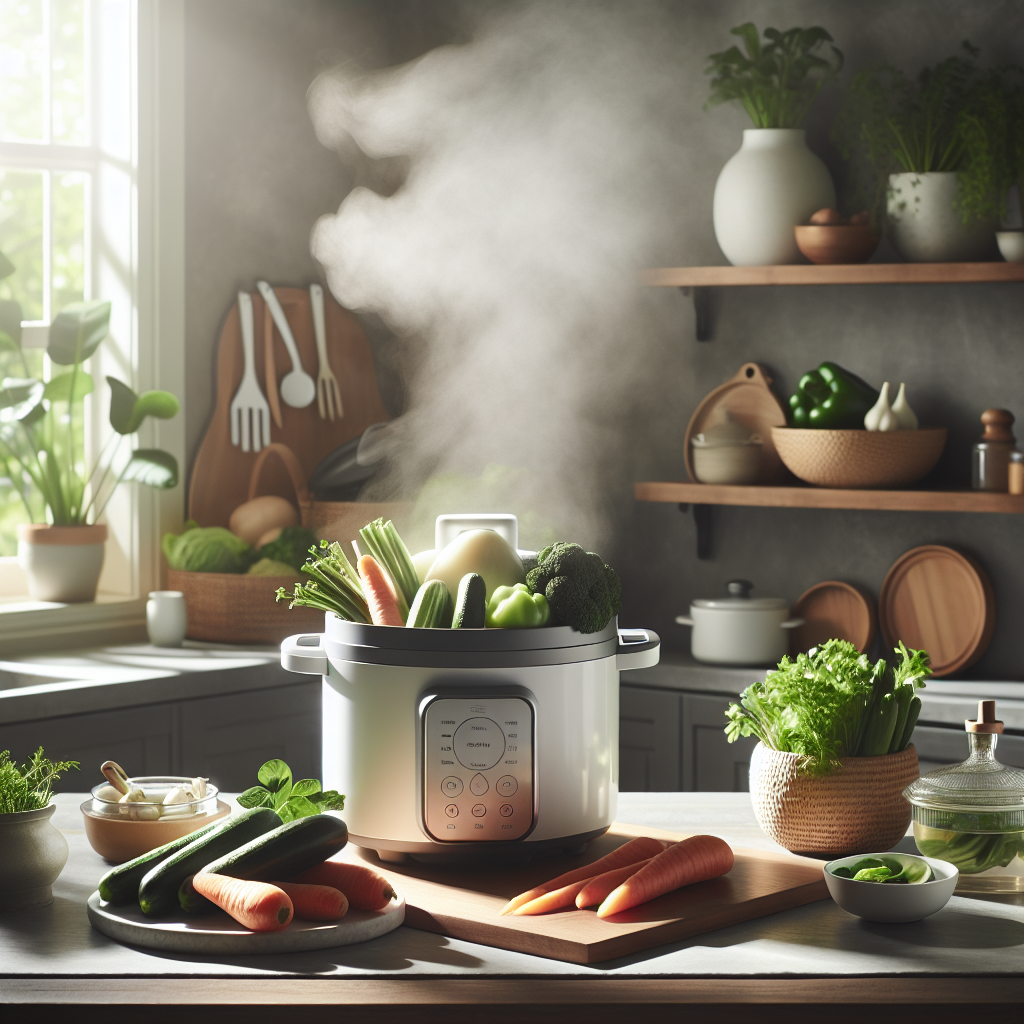
Steaming is one of the best cooking methods for preserving nutrients. By cooking food using steam rather than boiling water, you avoid submerging food in liquid that can leach nutrients. Steaming also ensures even cooking and preserves the texture and color of vegetables. Whether you use a dedicated steamer or a simple setup with a pot and a steamer basket, this method is a fantastic way to cook vegetables, fish, and even poultry.
Microwaving
The microwave, often underestimated, is an excellent tool for quick and nutrient-preserving cooking. It uses a combination of low heat and short cooking times, which minimizes the nutrient loss typically associated with longer cooking processes. When microwaving, use minimal water to prevent leaching and cover the food to retain moisture and nutrients. This method is particularly effective for vegetables.
Sautéing and Stir-Frying
Sautéing and stir-frying involve cooking food quickly over high heat with a small amount of oil. This method helps seal in nutrients by quickly cooking the exterior while leaving the interior slightly less cooked, which is ideal for vegetables and lean proteins. Using healthy oils, like olive or avocado oil, can add flavour and additional health benefits to your dishes.
Grilling and Broiling
Grilling and broiling are dry-heat methods that can effectively retain nutrients. They involve cooking food at high temperatures, which can enhance flavors through caramelization and browning. While these methods are excellent for meats, poultry, and vegetables, it’s important to avoid charring, which can create harmful compounds. Keeping a close eye on the cooking process and using marinades can help minimize these risks.
Poaching
Poaching involves cooking food gently in water or broth at low temperatures. This method is particularly well-suited for delicate foods like fish and eggs. Since poaching uses lower temperatures than boiling, there is less risk of nutrient degradation. To further enhance nutrient retention, try poaching in a nutrient-rich broth, which can infuse the food with additional flavors and vitamins.
Pressure Cooking
Pressure cooking uses steam and high pressure to cook food quickly, which helps preserve nutrients by reducing cooking time. This method is particularly effective for legumes, grains, and tougher cuts of meat. A pressure cooker can also be used to prepare soups and stews, allowing flavors and nutrients to meld together beautifully.
Tips for Maximizing Nutrient Retention
Choose Fresh, High-Quality Ingredients
Starting with fresh, high-quality ingredients is the foundation for nutrient-rich meals. Fresh produce and meats are more likely to retain their nutritional value during cooking. Whenever possible, opt for organic or locally sourced products, which may offer higher nutrient levels and fewer contaminants.
Cut Foods into Larger Pieces
Cutting foods into larger pieces can help minimize nutrient loss during cooking. Smaller pieces have more surface area exposed to heat and water, which can lead to increased nutrient degradation. By keeping pieces larger, you can help retain more vitamins and minerals.
Limit Cooking Time
Longer cooking times can lead to increased nutrient loss, especially for heat-sensitive vitamins. Aim to cook foods just until they are done to preserve as much nutritional value as possible. This approach not only retains nutrients but also maintains the texture and flavor of your ingredients.
Use Cooking Water Wisely
Nutrient-rich cooking water, particularly from steaming or boiling vegetables, can be repurposed in soups, stews, or sauces. By using this water, you can capture and utilize nutrients that might otherwise be lost.
Conclusion
Mastering healthy cooking methods is an invaluable skill in the pursuit of a nutritious diet. By understanding how different cooking techniques affect the nutrient content of foods, you can make informed choices that enhance the health benefits of your meals. From steaming and microwaving to grilling and poaching, each method offers unique advantages for nutrient retention. Incorporating these techniques into your cooking routine, along with tips for optimizing ingredient quality and preparation, will ensure that you make the most of your meals’ nutritional potential.
Final Thoughts
As you explore these cooking methods, remember that variety is key. Different nutrients respond differently to cooking, so a balanced approach that includes a range of techniques will help you achieve the best overall nutrient retention. Experimenting with these methods can also lead to exciting culinary discoveries, expanding your repertoire and enhancing your enjoyment of healthy cooking. Ultimately, by mastering these techniques, you take a significant step toward improving your diet and overall health.
#ChatGPT assisted in the creation of this article.