Introduction
In today’s fast-paced world, maintaining a balanced diet often takes a backseat to our busy schedules. However, mastering healthy meal planning can be a game-changer for optimal wellness. By strategically organizing meals, you not only enhance your nutritional intake but also save time, reduce stress, and support your overall health goals. This article will guide you through the fundamentals of meal planning, the benefits it offers, and practical tips to implement it successfully in your life.
The Importance of Healthy Meal Planning
Healthy meal planning is an essential component of a well-rounded lifestyle. It allows you to take control of your diet and make conscious choices about the foods you consume. By planning your meals, you can ensure you are getting a balanced intake of nutrients, avoid unhealthy last-minute food choices, and manage portion sizes effectively.
Benefits of Meal Planning
Improved Nutritional Intake
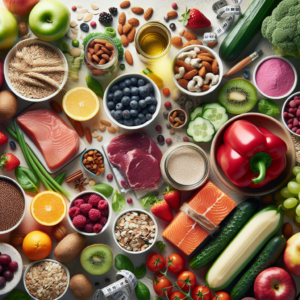
Meal planning enables you to create a balanced diet that includes a variety of nutrients. By planning ahead, you can incorporate a diverse range of foods from all the major food groups, ensuring that your body receives essential vitamins, minerals, and macronutrients.
Time and Money Savings
By dedicating time to plan your meals, you can streamline your grocery shopping, resulting in fewer impulse buys and reduced food waste. Having a meal plan also means less time spent wondering what to cook each day, freeing up valuable time for other activities.
Reduced Stress and Decision Fatigue
Deciding what to eat multiple times a day can be overwhelming. Meal planning reduces decision fatigue by having a set menu, which can alleviate stress and provide a sense of control over your eating habits.
Support for Health Goals
Whether your goal is to lose weight, gain muscle, or maintain a healthy lifestyle, meal planning can help you stay on track. By aligning your meals with your health objectives, you are more likely to stick to your plan and achieve your desired outcomes.
Steps to Master Healthy Meal Planning
Assess Your Nutritional Needs
Before you start meal planning, it’s crucial to understand your nutritional needs. Consider factors such as age, gender, activity level, and any specific health goals. Consulting with a nutritionist can provide personalized guidance tailored to your individual requirements.
Create a Weekly Menu
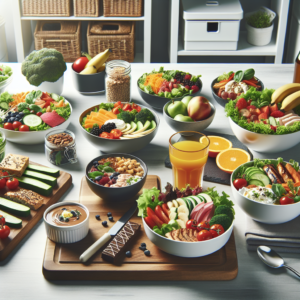
Start by creating a weekly menu that includes breakfast, lunch, dinner, and snacks. Focus on incorporating a variety of foods to keep your meals interesting and nutritious. Aim to include lean proteins, whole grains, healthy fats, and plenty of fruits and vegetables.
Make a Grocery List
Once your menu is set, create a detailed grocery list. Organize it by sections of the grocery store to make your shopping trip more efficient. Stick to your list to avoid unnecessary purchases and ensure you have all the ingredients needed for your planned meals.
Prep Ingredients in Advance
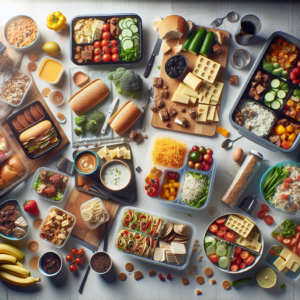
Take time to prepare ingredients in advance to save time during the week. This could include washing and chopping vegetables, marinating proteins, or cooking grains. Having prepped ingredients on hand makes it easier to assemble meals quickly.
Batch Cooking
Batch cooking is a great way to ensure you have meals ready to go throughout the week. Prepare large quantities of certain dishes and divide them into individual portions. This approach is especially useful for busy weekdays when you might not have time to cook from scratch.
Utilize Leftovers
Plan meals that can be repurposed into new dishes using leftovers. For example, roasted vegetables from dinner can be added to a salad for lunch the next day. This minimizes food waste and keeps your meals varied and exciting.
Tips for Successful Meal Planning
Stay Flexible
While having a meal plan is beneficial, it’s important to remain flexible. Life can be unpredictable, and plans may need to change. Allow for some flexibility in your schedule to accommodate unexpected events or cravings.
Incorporate Seasonal and Local Produce
Including seasonal and local produce in your meal plan can enhance the flavor of your dishes and support sustainable eating practices. Seasonal produce is often fresher and more nutrient-dense, and buying locally reduces your carbon footprint.
Experiment with New Recipes
Keep your meal plan exciting by trying new recipes regularly. Experimenting with different cuisines and cooking methods can introduce you to new flavors and help prevent boredom with your meals.
Involve the Whole Family
If you have a family, involve them in the meal planning process. Allowing everyone to contribute ideas can make mealtimes more enjoyable and ensure that the meals cater to everyone’s tastes and preferences.
Overcoming Common Meal Planning Challenges
Busy Schedules
A busy schedule is one of the most common barriers to meal planning. To overcome this, dedicate a specific time each week for planning and preparation. Even setting aside just a couple of hours can make a significant difference.
Limited Cooking Skills
If you feel limited by your cooking skills, start with simple recipes and gradually build your confidence. There are numerous online resources, cooking classes, and tutorials that can help you expand your culinary repertoire.
Adapting to Dietary Restrictions
Dietary restrictions can make meal planning more challenging, but not impossible. Focus on what you can eat rather than what you can’t, and seek out recipes and meal ideas that accommodate your dietary needs.
Conclusion
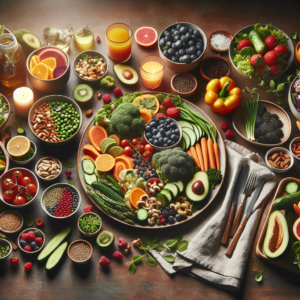
Mastering healthy meal planning is a valuable tool for achieving optimal wellness. By taking the time to plan, prepare, and enjoy nutritious meals, you are investing in your health and well-being. With the tips and strategies outlined in this article, you can create a meal planning routine that suits your lifestyle and supports your health goals. Remember, the key to success is consistency and flexibility, allowing you to enjoy the process while reaping the benefits of a balanced diet.
#ChatGPT assisted in the creation of this article.