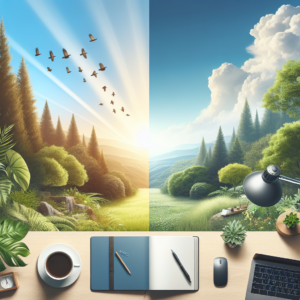

In the fast-paced world of the 21st century, achieving a balanced lifestyle has become increasingly challenging. With the constant demands of work, family, and social obligations, it’s easy to feel overwhelmed and out of sync. However, mastering lifestyle balance is not just a lofty ideal—it’s a necessary pursuit for maintaining health, happiness, and productivity. This article explores essential tips for modern living that can help you create a harmonious balance between various aspects of your life.
Understanding Lifestyle Balance
Before diving into specific strategies, it’s important to understand what lifestyle balance truly means. At its core, lifestyle balance involves allocating time and energy to different areas of your life in a way that promotes overall well-being. These areas typically include work, family, health, personal development, and leisure. Achieving balance doesn’t mean spending equal time on each area, but rather finding a dynamic equilibrium that suits your unique needs and circumstances.
Pillars of a Balanced Lifestyle
Work-Life Integration
In modern living, the boundary between work and personal life often blurs. Instead of striving for a strict separation, aim for work-life integration. This approach allows you to fluidly manage work responsibilities while also attending to personal needs. Techniques such as flexible work hours, remote work options, and setting clear boundaries can facilitate better integration.
Physical Health
Your physical health is foundational to achieving lifestyle balance. Regular exercise, a balanced diet, and sufficient sleep are critical components. Exercise not only improves physical health but also boosts mental well-being by reducing stress and anxiety. Prioritize activities that you enjoy, whether it’s yoga, running, or team sports, and make them a regular part of your routine.
Mental and Emotional Well-being
Taking care of your mental and emotional health is equally important. Practices such as mindfulness, meditation, and journaling can help you manage stress and maintain a positive outlook. Additionally, fostering strong social connections and seeking support from friends, family, or professionals when needed can enhance emotional resilience.
Personal Growth and Learning
Continuous personal growth is a key aspect of a balanced lifestyle. Engaging in lifelong learning, whether through formal education, hobbies, or exploring new interests, can enrich your life and provide a sense of purpose. Set aside time for activities that challenge your mind and expand your horizons.
Leisure and Relaxation
In the quest for productivity, leisure and relaxation often take a back seat. However, they are vital for recharging your mind and body. Dedicate time to activities that bring you joy and relaxation, such as reading, traveling, or spending time in nature. Remember, leisure is not a luxury but a necessity for a balanced life.
Practical Tips for Achieving Balance
Set Clear Priorities
One of the first steps in achieving lifestyle balance is identifying your priorities. Reflect on what matters most to you and allocate your time and energy accordingly. Be clear about your goals in each area of your life and regularly reassess them to ensure they align with your values and aspirations.
Create a Flexible Schedule
While structure is important, flexibility is equally crucial. Develop a schedule that accommodates the various demands on your time, but allow room for spontaneity and adjustments. Flexibility enables you to adapt to changes and seize opportunities that might arise unexpectedly.
Embrace Technology Wisely
Technology can be both a boon and a bane for lifestyle balance. Use it to your advantage by leveraging tools and apps that help you stay organized, streamline tasks, and enhance productivity. However, be mindful of digital overload and set boundaries for screen time to prevent burnout.
Practice Mindfulness and Presence
Being fully present in each moment can significantly improve your quality of life. Practice mindfulness by focusing on the task at hand and minimizing distractions. Whether you’re at work, with family, or engaging in leisure activities, being present enhances your experiences and strengthens relationships.
Learn to Say No
Overcommitting is a common pitfall that disrupts lifestyle balance. Learning to say no to requests and obligations that don’t align with your priorities is essential. This doesn’t mean avoiding responsibility but rather making conscious choices about where to invest your time and energy.
Overcoming Challenges
Despite your best efforts, achieving lifestyle balance can be challenging, especially during periods of transition or crisis. During such times, it’s important to be patient with yourself and seek support if needed. Remember that balance is a dynamic state, and it’s normal for it to fluctuate. Focus on maintaining flexibility, adjusting your strategies, and learning from each experience.
Conclusion
Mastering lifestyle balance is an ongoing journey that requires conscious effort and self-awareness. By prioritizing work-life integration, physical health, mental well-being, personal growth, and leisure, you can create a fulfilling and harmonious life. Implementing practical tips such as setting clear priorities, creating a flexible schedule, and embracing mindfulness can further enhance your ability to achieve balance. Ultimately, a balanced lifestyle empowers you to live with intention, joy, and vitality in the modern world.