Introduction
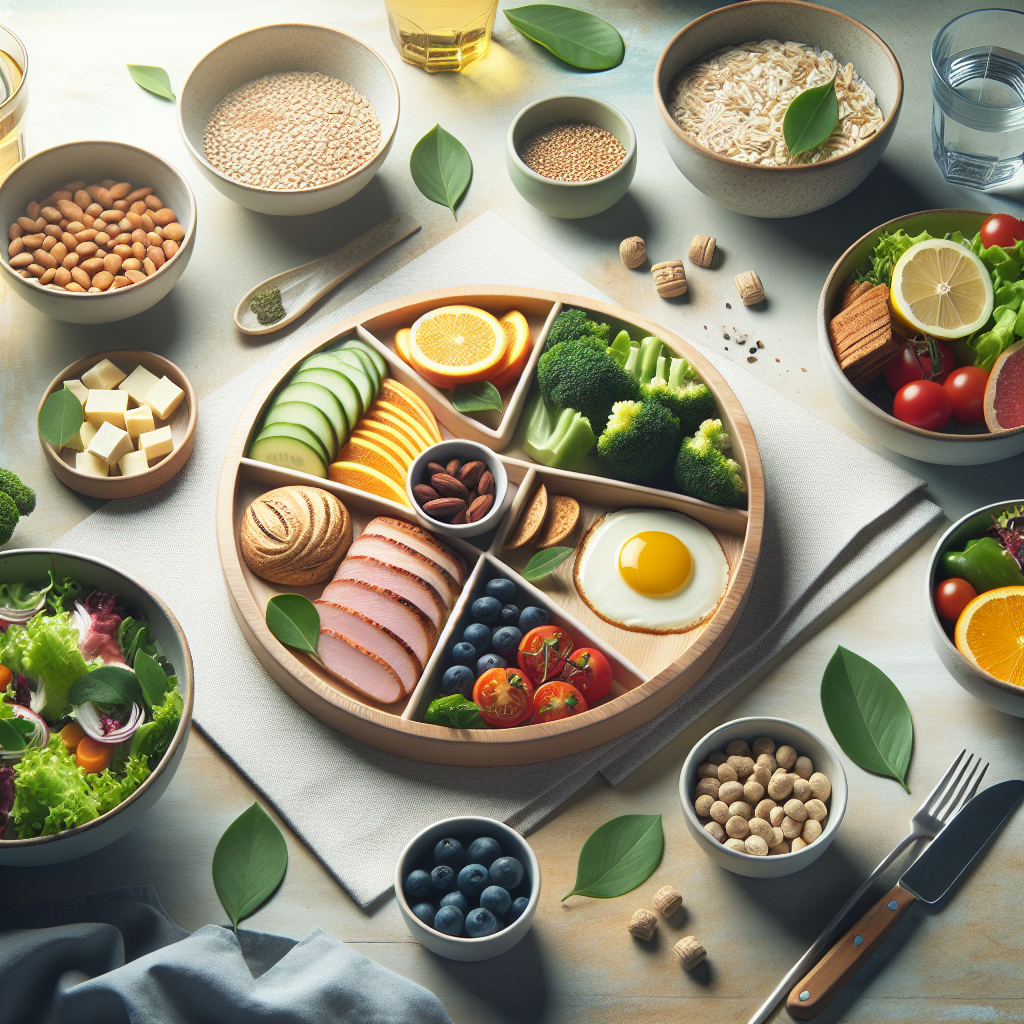
In a world where supersized meals and all-you-can-eat buffets are the norm, mastering portion control is an invaluable skill. Eating the right amount of food not only helps maintain a healthy weight but also ensures that your body receives the necessary nutrients without overindulgence. This article will guide you through the art of portion control and offer delicious meal ideas that promote balanced eating.
The Importance of Portion Control
Portion control is crucial for several reasons. Firstly, it helps manage caloric intake, which is essential for maintaining a healthy weight. Overeating, even healthy foods, can lead to weight gain and associated health issues such as diabetes, heart disease, and high blood pressure. Additionally, portion control can prevent food waste and save money on groceries by reducing the amount of food consumed and purchased.
Understanding Portion Sizes
Understanding the difference between portion size and serving size is key. A serving size is a standardized amount of food, often found on nutrition labels, while a portion size is the amount of food you choose to eat. Portions can be larger or smaller than the serving size. Being mindful of these distinctions helps you make informed decisions about how much to eat.
Visual Cues for Portion Control
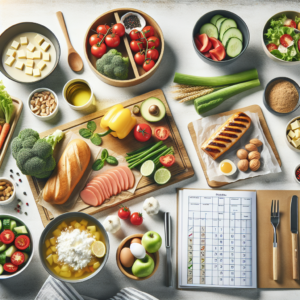
Using visual cues can aid in estimating portion sizes without the need for scales or measuring cups. Here are some practical visual cues to help you gauge serving sizes:
- Protein: A serving of meat, poultry, or fish should be about the size of a deck of cards.
- Carbohydrates: One serving of pasta or rice is approximately the size of a clenched fist.
- Fruits and Vegetables: Aim for a serving size roughly equivalent to a baseball.
- Dairy: A serving of cheese is about the size of a pair of dice.
- Fats: A teaspoon of butter or oil is roughly the size of the tip of your thumb.
Strategies for Mastering Portion Control
Successfully managing portion sizes involves a combination of awareness, discipline, and smart eating habits. Here are some strategies to help you master portion control:
Plan Your Meals
Meal planning is an effective way to control portion sizes. By preparing meals in advance, you can ensure that you eat the right amount of each food group. Consider preparing meals in bulk and storing them in portioned containers for easy access throughout the week.
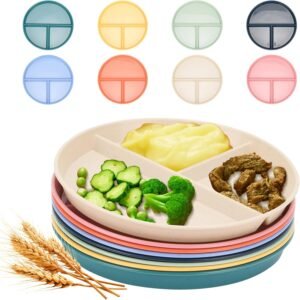
Use Smaller Plates and Bowls
Studies have shown that using smaller plates can help reduce the amount of food consumed. When you use a smaller plate, it appears fuller with less food, which can trick your brain into feeling satisfied with a smaller portion.
Mindful Eating
Practice mindful eating by focusing on your food and how it tastes. Eat slowly, savor each bite, and pay attention to your body’s hunger cues. This practice can prevent overeating as it allows your brain to recognize when you are full.
Read Nutrition Labels
Nutrition labels provide valuable information about serving sizes and the nutritional content of foods. Use these labels to make informed decisions about portion sizes and choose products that fit within your dietary needs.
Delicious Meals for Balanced Eating
Now that you have the tools to master portion control, let’s explore some delicious meal ideas that promote balanced eating without compromising on taste.
Breakfast: Avocado Toast with Poached Egg
Start your day with a nutritious and satisfying breakfast. Top a slice of whole-grain bread with mashed avocado, a poached egg, and a sprinkle of salt and pepper. Serve with a side of mixed berries for a balanced meal full of healthy fats, protein, and fiber.
Lunch: Quinoa and Chickpea Salad
For a light yet filling lunch, prepare a quinoa and chickpea salad. Combine cooked quinoa, canned chickpeas, cherry tomatoes, cucumber, red onion, and parsley. Dress with lemon juice, olive oil, salt, and pepper. This meal is rich in protein, fiber, and essential nutrients.
Dinner: Grilled Salmon with Roasted Vegetables
Enjoy a flavorful dinner with grilled salmon paired with roasted vegetables. Season a salmon fillet with herbs and spices, grill until cooked through, and serve with a side of roasted vegetables such as broccoli, carrots, and bell peppers. This dish provides a good balance of protein, healthy fats, and vitamins.
Snack: Greek Yogurt with Honey and Almonds
For a satisfying snack, enjoy a serving of Greek yogurt drizzled with honey and topped with almonds. This snack is rich in protein, calcium, and healthy fats, making it a great option to keep you full between meals.
Conclusion
Mastering portion control is an essential aspect of balanced eating. By understanding portion sizes, utilizing visual cues, and implementing smart eating strategies, you can enjoy delicious meals without overindulging. With these tips and meal ideas, you’ll be well on your way to achieving a healthier lifestyle. Remember, portion control is not about restriction but about finding the right balance for your body’s needs. Enjoy your meals mindfully, and embrace the journey towards balanced eating.
#ChatGPT assisted in the creation of this article.