Introduction
In the realm of weight loss, understanding and implementing portion control is a game-changer. While many people focus on the types of food they eat, the amount consumed is equally important. Portion control can significantly impact your weight loss journey by helping you manage calorie intake without feeling deprived. In this article, we’ll explore the fundamentals of portion control, why it’s crucial for weight loss, and how you can master it for sustainable results.
What is Portion Control?
Portion control refers to managing the quantity of food you eat at one time. It’s not just about eating less; it’s about eating the right amount to meet your body’s nutritional needs. Proper portion sizes can prevent overeating and help ensure that you consume a balanced diet. Understanding portion sizes and how they differ from servings is crucial. A portion is the amount you choose to eat, while a serving is a standard unit of measurement, such as a cup or an ounce, defined by nutritional guidelines.
Why Portion Control is Essential for Weight Loss
Portion control is vital for weight loss for several reasons:
-
Caloric Balance: Weight loss fundamentally relies on consuming fewer calories than you burn. Portion control helps regulate caloric intake, making it easier to maintain a calorie deficit.
-
Prevention of Overeating: Larger portions can lead to inadvertently consuming more calories than intended. By controlling portions, you can prevent overeating and avoid the common pitfall of consuming excess calories.
-
Mindful Eating: Paying attention to portion sizes encourages mindful eating, allowing you to enjoy your food and recognize when you’re satisfied, rather than eating until you’re full.
-
Balanced Nutrition: Proper portion sizes ensure that you get the right amount of nutrients without overindulging in one food group at the expense of others.
Strategies to Master Portion Control
Mastering portion control requires practice and awareness. Here are some strategies to help you control portions effectively:
Use Smaller Plates and Bowls
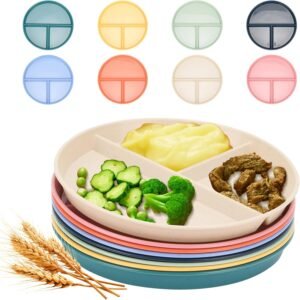
The size of your dishware can influence how much you serve yourself. Studies have shown that people tend to eat less when using smaller plates and bowls because it creates the illusion of a fuller plate. Switching to smaller dishes can help you naturally reduce portion sizes.
Measure Your Food
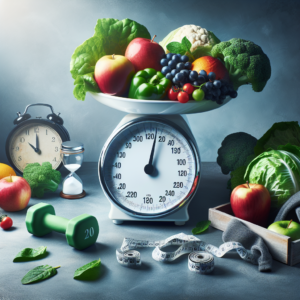
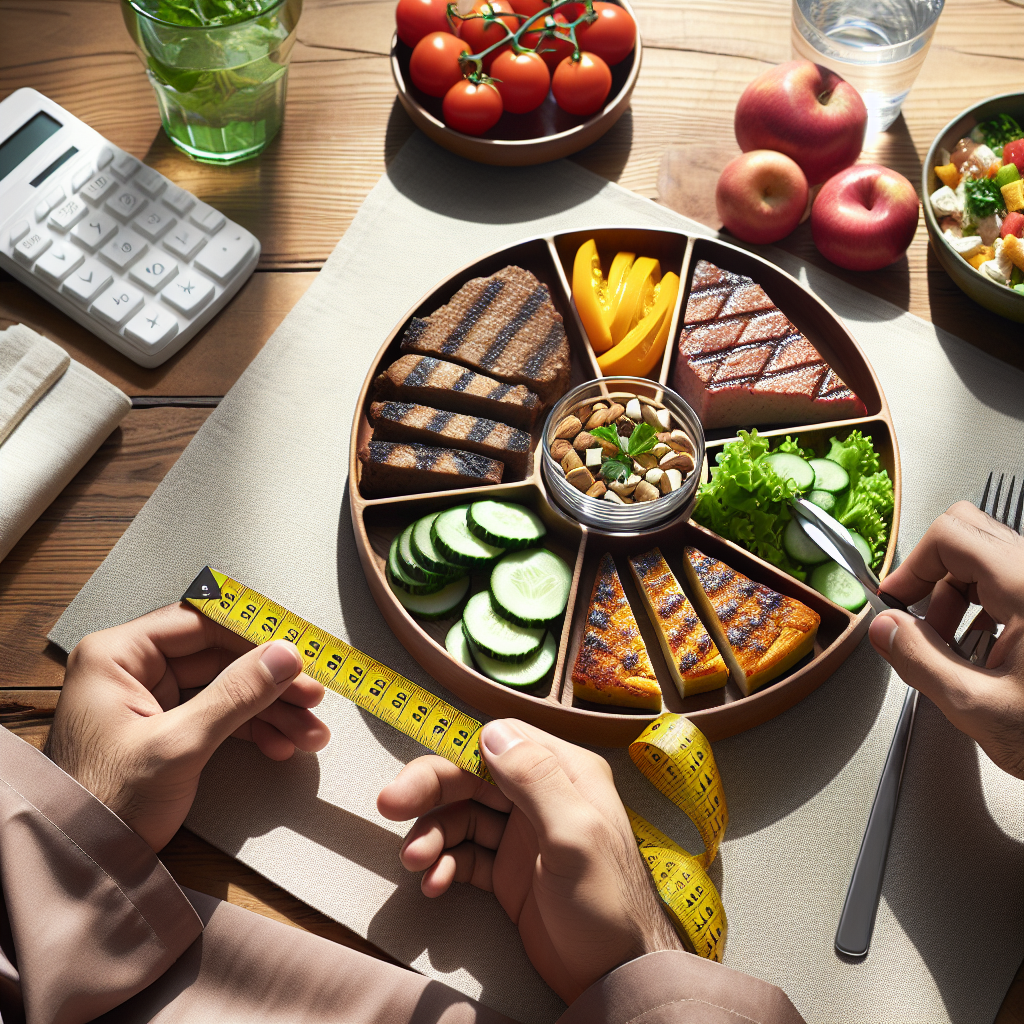
Accurately measuring your food is one of the most effective ways to understand portion sizes. Use measuring cups, spoons, or a kitchen scale to portion out servings. Initially, it may feel tedious, but over time you’ll develop a better sense of what a standard serving looks like.
Be Mindful of Liquid Calories
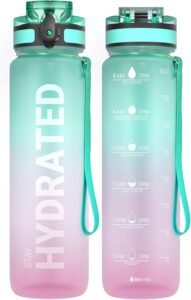
Beverages can contribute significantly to your daily caloric intake. Pay attention to liquid calories by measuring drinks like juice, soda, and alcohol. Opt for water or herbal teas, which are low in calories, to quench your thirst.
Read Food Labels
Food packaging often contains nutritional information, including serving sizes. Reading labels can help you understand how much you’re actually eating and guide you in adjusting portions to meet your dietary goals.
Practice Mindful Eating
Mindful eating involves paying attention to the taste, texture, and aroma of your food, as well as your hunger and fullness cues. Eat slowly and savor each bite, which can help you feel satisfied with smaller portions.
Plan Your Meals
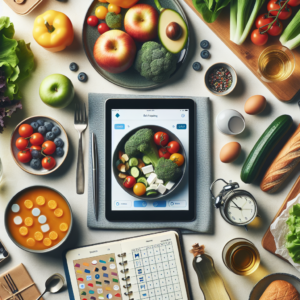
Meal planning can help you control portions by pre-portioning meals and snacks. Preparing your meals in advance eliminates the guesswork and temptation to overeat. Consider using meal prep containers to store individual portions.
Understanding Hunger and Fullness Cues
Tuning into your body’s hunger and fullness cues is an essential aspect of portion control. It’s important to differentiate between physical hunger and emotional eating. Physical hunger builds gradually and can be satisfied with a variety of foods, while emotional hunger is sudden and often accompanied by cravings for specific comfort foods.
Listen to your body and eat when you’re genuinely hungry. Stop eating when you feel satisfied, not stuffed. Practicing this awareness can prevent overeating and help you maintain proper portions.
Overcoming Common Portion Control Challenges
Portion control can be challenging at times. Here are some common obstacles and how to overcome them:
Eating Out
Restaurant portions are often larger than necessary. To manage this, you can share a dish, order a half-sized portion, or immediately pack half of your meal to take home. Also, consider ordering a side salad or vegetables to accompany your meal, which can help you feel fuller without extra calories.
Social Gatherings
Social events often involve an abundance of food and drinks. Focus on socializing rather than constantly eating. Use a small plate and fill it with healthier options first, such as fruits and vegetables. Avoid hanging around the buffet table to minimize temptation.
Emotional Eating
Emotional eating can derail portion control efforts. Identify triggers that lead to emotional eating and find alternative coping strategies, such as going for a walk, meditating, or talking to a friend. Keeping a food diary can also help you become more aware of your eating patterns.
Conclusion
Mastering portion control is a powerful tool for effective weight loss. By implementing strategies such as using smaller dishes, measuring your food, and practicing mindful eating, you can control your portions and maintain a healthy caloric balance. Recognizing hunger and fullness cues and overcoming common challenges will further support your efforts. Remember, portion control is not about deprivation; it’s about making conscious choices that align with your health and wellness goals. With practice and persistence, you can achieve sustainable weight loss and enjoy a healthier lifestyle.
#ChatGPT assisted in the creation of this article.