Introduction
In today’s fast-paced world, finding time to prepare healthy meals can be challenging. With work, family commitments, and social obligations, meal planning often takes a backseat. However, with a bit of organization and creativity, you can master realistic meal planning that fits seamlessly into your busy life. This guide will provide practical tips, strategies, and recipes to help you get started.
Understanding the Importance of Meal Planning
Meal planning is more than just deciding what to eat; it’s a strategic approach to ensure balanced nutrition, save time, and reduce stress. By planning your meals, you can make healthier food choices, avoid last-minute fast food runs, and reduce food waste. Moreover, it can be a cost-effective strategy as you can buy ingredients in bulk and take advantage of sales.
Setting Realistic Goals
Before you dive into meal planning, it’s essential to set realistic goals. Consider your lifestyle, dietary preferences, and time constraints. If you’re new to meal planning, start small. Aim to plan and prepare two to three meals a week, and gradually increase as you become more comfortable.
Creating a Meal Plan Template
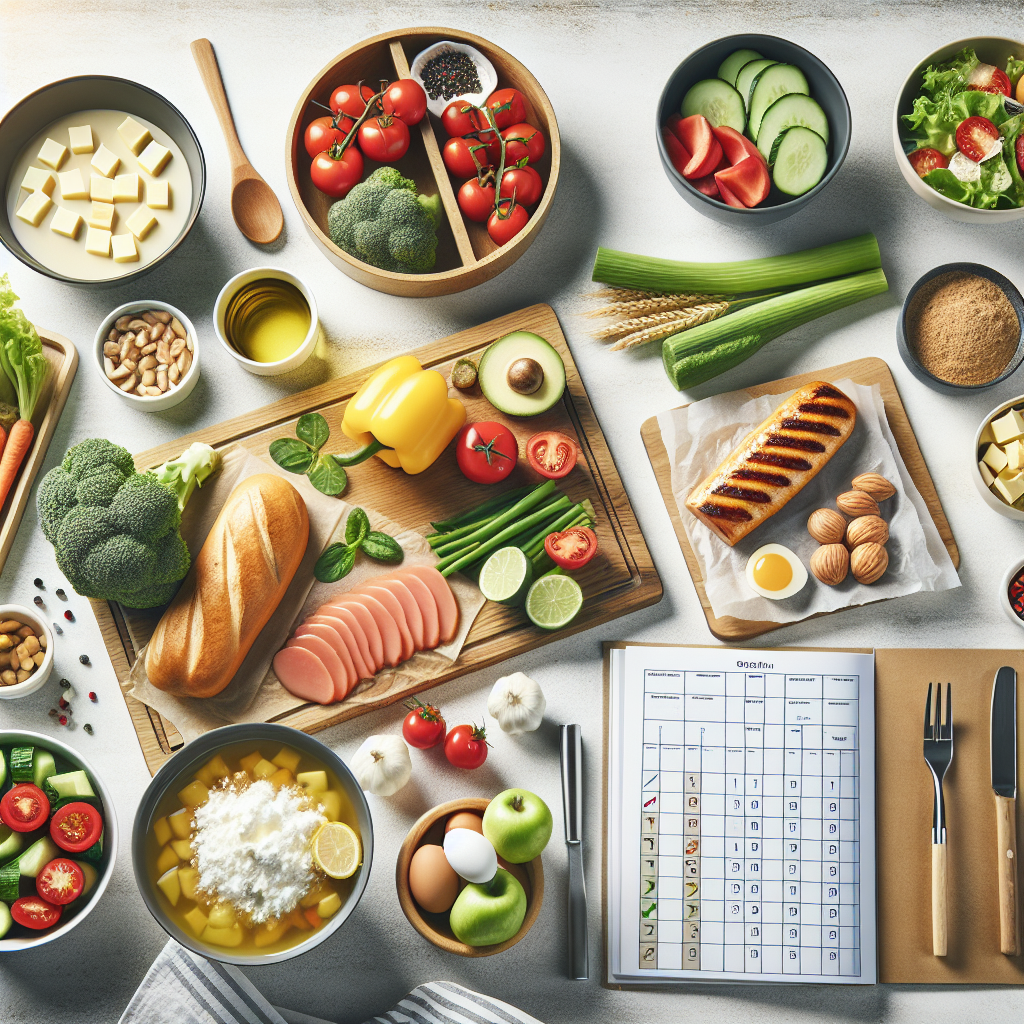
A meal plan template is a valuable tool to keep you organized. You can create a simple table or spreadsheet that includes the days of the week, meals, and snacks. Include space for notes, such as prep instructions or reminders to defrost ingredients. Having a visual representation of your meals makes it easier to stick to your plan.
Incorporating Variety and Balance
To maintain interest and ensure nutritional balance, incorporate a variety of foods into your meal plan. Aim to include different protein sources, vegetables, grains, and healthy fats. Experiment with new recipes and cuisines to keep things exciting. Remember, balance is key; try to include all food groups in each meal.
Batch Cooking and Meal Prep
One of the most effective strategies for busy individuals is batch cooking and meal prep. Dedicate a few hours once a week to prepare ingredients or cook meals in advance. You can chop vegetables, marinate proteins, and cook grains ahead of time. Store them in airtight containers for easy access during the week.
Benefits of Batch Cooking
– Saves time by reducing daily cooking efforts.
– Minimizes cleanup and kitchen mess.
– Ensures you have healthy, homemade meals readily available.
Utilizing Leftovers
Don’t underestimate the power of leftovers. Plan meals that can be easily transformed into new dishes. For instance, roasted chicken can be used in salads, sandwiches, or tacos. This approach not only saves time but also minimizes food waste.
Leveraging Technology and Apps
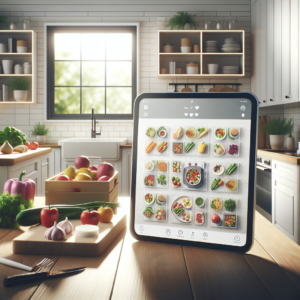
In the digital age, numerous apps and online platforms can facilitate meal planning. Apps like Mealime, Paprika, and Yummly offer customizable meal plans, grocery lists, and recipe ideas. These tools can help streamline the planning process and provide inspiration for new meals.
Creating a Grocery List
A well-organized grocery list is crucial for efficient shopping. Categorize your list by food groups or store aisles to save time. Stick to the list to avoid impulse purchases. Consider online grocery shopping or curbside pickup if time is a constraint.
Time-Saving Cooking Techniques
Employ time-saving cooking techniques to streamline meal preparation. Use appliances like slow cookers, pressure cookers, and air fryers to reduce cooking time. Opt for one-pot or sheet pan meals that require minimal cleanup.
Quick and Easy Recipes
To get you started, here are a few quick and easy recipes that are perfect for busy lifestyles:
1. One-Pan Lemon Garlic Chicken
– Ingredients:
– Chicken thighs
– Lemon
– Garlic
– Olive oil
– Salt and pepper
– Fresh herbs (optional)
– Instructions:
1. Preheat oven to 400°F (200°C).
2. Arrange chicken thighs in a baking dish.
3. Drizzle with olive oil, lemon juice, and minced garlic.
4. Season with salt, pepper, and herbs.
5. Bake for 25-30 minutes until cooked through.
2. Quinoa and Black Bean Salad
– Ingredients:
– Quinoa
– Canned black beans
– Cherry tomatoes
– Avocado
– Lime
– Cilantro
– Olive oil
– Instructions:
1. Cook quinoa according to package instructions.
2. In a bowl, combine cooked quinoa, drained black beans, diced tomatoes, and avocado.
3. Drizzle with lime juice, olive oil, and chopped cilantro.
4. Toss to combine and serve chilled.
Adapting to Dietary Preferences
Whether you’re vegetarian, vegan, gluten-free, or following any other dietary preference, meal planning can be adapted to suit your needs. Explore substitutions and alternative ingredients that align with your dietary requirements.
Involving the Family
Meal planning can be a family affair. Involve your family in the planning process by allowing them to suggest meals or help with preparation. This not only lightens the load but also fosters healthier eating habits for everyone.
Dealing with Challenges
Despite the best intentions, challenges may arise. You might find that you don’t have time to cook as planned or that certain meals don’t appeal to you anymore. Stay flexible and consider backup options like frozen meals or takeout from a healthy restaurant.
Evaluating and Adjusting Your Plan
Regularly evaluate your meal plan to identify what works and what doesn’t. Adjust your strategy as needed to accommodate changing schedules, preferences, or seasons. Over time, you’ll develop a system that best suits your lifestyle.
Conclusion
Mastering realistic meal planning for busy lives is all about finding a balance that works for you. With the right approach, you can enjoy nutritious, homemade meals without sacrificing time or convenience. Start small, stay flexible, and remember that the goal is to simplify your life while nourishing your body. Happy meal planning!
#ChatGPT assisted in the creation of this article.