In today’s fast-paced world, meal planning can be a lifesaver. It helps save time, reduce stress, and ensure you and your family are eating healthy, well-balanced meals. The concept of meal planning may seem daunting at first, but with a strategic approach, it can become a seamless part of your weekly routine. This article will guide you through a stress-free meal planning process that ensures variety, nutritional balance, and efficiency.
The Benefits of Meal Planning
Meal planning offers numerous advantages beyond just saving time. Here are some key benefits:
- Cost Savings: By planning meals in advance, you can make use of grocery store sales, buy in bulk, and reduce food waste by using all purchased ingredients.
- Healthier Eating Habits: When you plan your meals, you have control over the ingredients and portion sizes, promoting healthier eating habits.
- Reduced Stress: Knowing what you’re going to cook each day eliminates the daily stress of deciding what to make for dinner.
- Variety and Creativity: Planning encourages you to try new recipes and ingredients, keeping meals exciting and varied.
Steps to Stress-Free Meal Planning
Mastering meal planning does not require special skills or tools, just a little organization and commitment. Here’s how to get started:
1. Set Your Meal Planning Goals
Begin by determining what you want to achieve with your meal plan. Are you aiming to eat healthier, save money, or simply simplify your life? Clarifying your goals will help guide your planning process.
2. Assess Your Schedule
Look at your upcoming week and identify days when you’ll have time to cook and days when you’ll need faster, more convenient meals. This will help you balance your meal choices between quick recipes and those that require more preparation.
3. Choose Your Recipes
Select recipes that fit your needs and preferences. Consider incorporating a mix of family favorites, new recipes, and dishes that accommodate any dietary restrictions or goals you have set. Remember to balance protein, carbs, and vegetables for a well-rounded diet.
4. Create a Grocery List
Once you have your recipes, make a comprehensive grocery list. Check your pantry for ingredients you already have to avoid duplicates. Organize your list by category (e.g., produce, dairy, pantry items) to streamline your shopping trip.
5. Prep Ahead
Spend some time prepping ingredients in advance. This could involve chopping vegetables, marinating proteins, or even cooking a batch of grains that can be used throughout the week. Prepping ahead reduces cooking time on busy days.
Sample Weekly Meal Plan
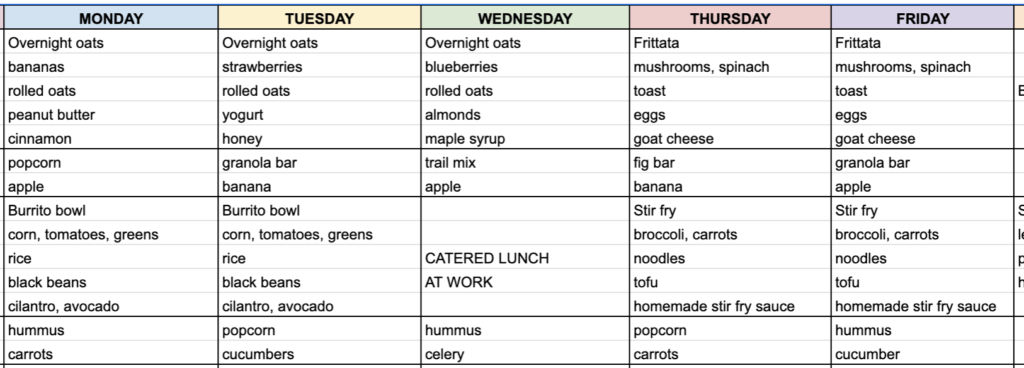
To illustrate how simple meal planning can be, here’s a sample weekly plan that incorporates a variety of cuisines and cooking techniques:
Monday: Mediterranean Chickpea Salad
Start your week with a light and refreshing salad. Combine canned chickpeas, diced cucumbers, cherry tomatoes, red onion, and feta cheese. Dress with olive oil, lemon juice, salt, and pepper. Serve with whole-grain pita bread.
Tuesday: Stir-Fried Tofu with Vegetables
For a quick and nutritious meal, stir-fry tofu with a mix of your favorite vegetables such as bell peppers, broccoli, and snap peas. Add a splash of soy sauce and serve over brown rice.
Wednesday: Slow Cooker Chicken Tacos
Place chicken breasts, taco seasoning, and salsa in a slow cooker. Cook on low for 6-8 hours. Shred the chicken and serve with tortillas, avocado, and your favorite taco toppings.
Thursday: Spaghetti with Spinach Pesto
Blend fresh spinach, basil, garlic, pine nuts, Parmesan cheese, and olive oil to make a vibrant pesto. Toss with whole wheat spaghetti and serve with a side salad.
Friday: Grilled Salmon with Quinoa and Asparagus
Season salmon fillets with lemon, dill, salt, and pepper, then grill until cooked through. Serve alongside a quinoa salad with blanched asparagus, cherry tomatoes, and a lemon vinaigrette.
Saturday: Homemade Pizza Night
Get creative with your toppings! Use store-bought or homemade dough and let everyone customize their own pizza with an array of toppings like mozzarella, pepperoni, veggies, and fresh herbs.
Sunday: Leftover Buffet
Use this day to clean out the fridge. Combine leftovers creatively to form new meals, such as turning extra grilled chicken into a wrap or using leftover vegetables in a hearty soup.
Tips for Successful Meal Planning
- Be Flexible: Life is unpredictable, so allow some flexibility in your plan. It’s okay to swap meals around or save them for another night if plans change.
- Keep It Simple: Start with simple recipes and gradually try more complex dishes as you become comfortable with meal planning.
- Involve the Family: Get input from family members to ensure everyone is happy with the meals. This can help reduce complaints and increase satisfaction.
- Make Double Batches: Cook double portions of meals that freeze well, like soups and casseroles, for an easy meal option on busy nights.
Conclusion
Meal planning is a practical skill that can transform your weekly routine from chaotic to calm. By setting aside some time each week to plan, you can enjoy the benefits of healthier meals, cost savings, and reduced stress. Start small, tailor your plan to fit your lifestyle, and soon you’ll be a meal planning pro, ready to tackle each week with confidence and ease.