Understanding Portion Sizes
In today’s fast-paced world, where oversized meals are often the norm, understanding portion sizes is crucial for maintaining a healthy diet. Portion control is not about depriving yourself of the foods you love; it’s about finding balance and ensuring that your body gets the nutrients it needs without overconsumption.
The concept of portion sizes can be confusing, especially when dining out or purchasing pre-packaged food items. However, mastering portion sizes can empower you to make healthier choices, manage weight, and improve overall health.
The Difference Between Portion Size and Serving Size
To effectively manage portion sizes, it’s important to distinguish between portion size and serving size. A serving size is a standardized amount used to quantify recommended quantities of food, as established by dietary guidelines. These are often found on Nutrition Facts labels. In contrast, a portion size is the amount of food you choose to eat at any one time, which could be more or less than a serving size.
The Importance of Mastering Portion Sizes
Mastering portion sizes can prevent overeating and help maintain a healthy weight. Portion control is linked to improved digestion and better energy balance, as it ensures your body receives the right amount of nutrients without excess calories. Furthermore, it can reduce the risk of chronic diseases such as obesity, type 2 diabetes, and heart disease.
Practical Tips for Controlling Portion Sizes
Use Smaller Plates
One of the simplest and most effective ways to control portion sizes is by using smaller plates. A smaller plate can make a smaller portion appear larger, tricking your brain into feeling satisfied with less food. This visual cue can be an effective tool in managing portion sizes and reducing calorie intake.
Understand Hunger Cues
Listening to your body’s hunger cues is essential in mastering portion sizes. Eat when you are genuinely hungry and stop when you are satisfied, not when you are full. This practice of mindful eating encourages you to pay attention to what you’re eating and how much, helping to prevent overeating.
Portion Out Snacks
Snacks can often lead to overeating if consumed directly from the package. To combat this, portion out snacks into smaller containers or bags. This strategy helps you avoid mindless eating and keeps your snack portions in check.
Read Nutrition Labels
Nutrition labels provide valuable information about serving sizes and the nutritional content of food. By reading these labels, you can better understand how much you are consuming and make informed decisions about portion sizes.
Practice Meal Prepping
Meal prepping involves preparing meals in advance, allowing you to control portion sizes ahead of time. This practice not only saves time but also ensures that you have balanced meals ready to go, reducing the temptation to overeat.
Visualizing Portion Sizes
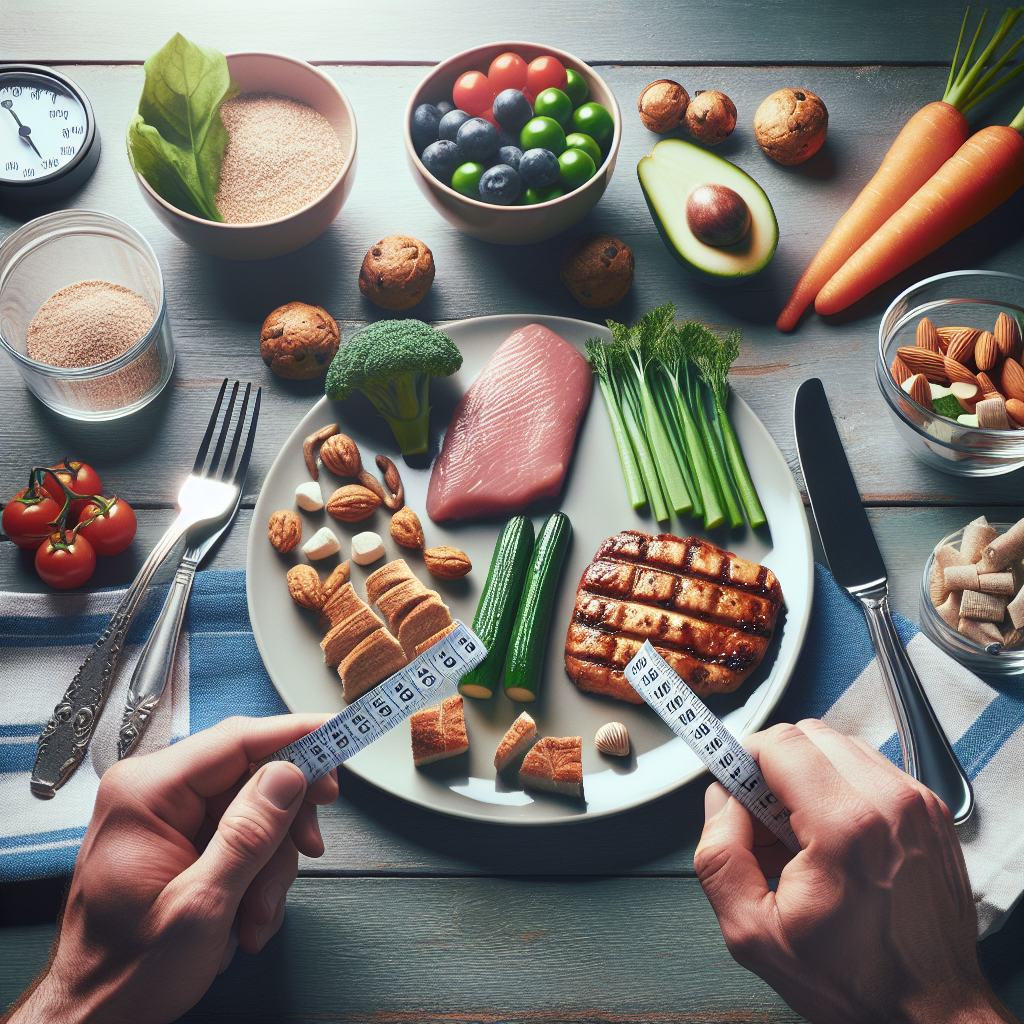
Visual aids can be helpful in mastering portion sizes. Here are some common visual comparisons to help you estimate appropriate portion sizes:
- Protein: A serving of meat or fish should be about the size of a deck of cards.
- Vegetables: One serving of cooked vegetables is roughly the size of a baseball.
- Grains: A serving of cooked pasta or rice is approximately the size of a tennis ball.
- Fats: A serving of butter or oil is about the size of a poker chip.
- Nuts: A portion of nuts should fit into the palm of your hand.
Cultural Influences on Portion Sizes
It’s important to recognize that portion sizes can vary significantly across different cultures. In some cultures, larger portions are a sign of hospitality and abundance, while others emphasize moderation. Understanding these cultural differences can help you navigate portion sizes, especially when dining out or traveling.
Overcoming Common Challenges
Dining Out
Restaurants often serve larger portions than necessary, making it challenging to control portion sizes. To combat this, consider sharing a meal with a friend, asking for a half-portion, or taking leftovers home. Additionally, start with a salad or a light appetizer to curb your hunger before the main course arrives.
Buffet and All-You-Can-Eat Settings
Buffets and all-you-can-eat settings can tempt you to overeat. Approach these situations by starting with a small plate and choosing a variety of foods, focusing on fruits and vegetables. Resist the urge to go back for seconds until you’ve given yourself time to assess your hunger level.
Emotional Eating
Emotional eating can lead to overconsumption, as individuals often turn to food for comfort or stress relief. Recognizing emotional triggers and finding alternative coping mechanisms, such as exercise or meditation, can help prevent emotional eating and promote healthier portion control.
Benefits of Mastering Portion Sizes
Mastering portion sizes has numerous benefits that extend beyond weight management. By controlling portion sizes, you can improve digestion, enhance nutrient absorption, and maintain stable energy levels throughout the day. Additionally, balanced portion sizes contribute to better mental health, as they support a positive relationship with food and reduce feelings of guilt or deprivation.
Conclusion
Mastering portion sizes is a powerful tool in your journey towards healthier eating habits. By understanding the difference between portion and serving sizes, employing practical tips, and recognizing cultural influences, you can achieve a balanced diet that supports your overall well-being. Remember, it’s not about restricting yourself, but about making mindful choices that nourish your body and mind.
Embrace the art of portion control, and you’ll likely find that healthy eating becomes a sustainable and enjoyable part of your lifestyle. As you practice these strategies, you’ll develop a greater awareness of your body’s needs and a deeper appreciation for the foods you consume.
#ChatGPT assisted in the creation of this article.