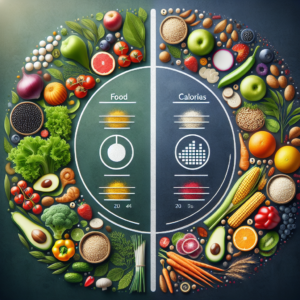

In today’s fast-paced world, maintaining a balanced diet is more crucial than ever. With the constant bombardment of fast food options and fad diets, understanding what constitutes a balanced diet can help in making informed choices that promote long-term health. This guide aims to provide you with the essential knowledge needed to achieve optimal health through a balanced diet.
Understanding a Balanced Diet
A balanced diet is one that provides your body with all the essential nutrients it needs to function correctly. This includes an appropriate mix of proteins, carbohydrates, fats, vitamins, and minerals. The key is to consume these nutrients in the right proportions, ensuring that your body can maintain energy levels, support growth, and repair tissues.
Macronutrients: The Building Blocks
Macronutrients are nutrients that your body needs in larger amounts, and they include carbohydrates, proteins, and fats. Each plays a unique role in maintaining health and energy levels.
Carbohydrates
Carbohydrates are the body’s main source of energy. They should make up about 45-65% of your total daily calorie intake. Focus on complex carbohydrates such as whole grains, fruits, and vegetables, which provide fiber and essential nutrients, unlike refined carbs that can lead to spikes in blood sugar levels.
Proteins
Proteins are essential for growth, tissue repair, and immune function. They should account for about 10-35% of your daily calories. Incorporate a variety of protein sources like lean meats, fish, eggs, dairy, legumes, nuts, and seeds to ensure you get all the essential amino acids.
Fats
Fats are crucial for brain function, energy storage, and cell structure. Aim for 20-35% of your calories from fats, focusing on healthy fats like those found in avocados, nuts, seeds, and olive oil. Avoid trans fats and limit saturated fats to reduce the risk of heart disease.
Micronutrients: The Vital Helpers
Micronutrients, including vitamins and minerals, are required in smaller amounts but are essential for numerous body functions. They help in energy production, immune function, bone health, and more.
Vitamins
Vitamins like A, C, D, E, and K, along with the B-complex vitamins, play significant roles in maintaining health. A varied diet rich in fruits, vegetables, lean proteins, and whole grains typically ensures adequate vitamin intake.
Minerals
Minerals such as calcium, potassium, iron, and magnesium are critical for bone health, oxygen transport, nerve function, and fluid balance. Again, a diverse diet helps meet these needs.
Creating Your Balanced Diet Plan
Designing a balanced diet involves understanding your individual needs based on age, gender, activity level, and health goals. Here are steps to help you create a personalized diet plan.
Assess Your Caloric Needs
Your caloric needs depend on your basal metabolic rate (BMR) and physical activity level. Use online calculators to estimate your daily caloric requirement and adjust according to your goals, whether it’s weight loss, maintenance, or gain.
Plan Your Meals
Divide your daily caloric intake into three main meals and two snacks. Ensure each meal contains a balance of macronutrients with plenty of fruits and vegetables. For example, a balanced breakfast might include oatmeal topped with fruits and nuts, while dinner could be grilled chicken with quinoa and a side of steamed vegetables.
Stay Hydrated
Water is vital for health, aiding in digestion, nutrient transport, and temperature regulation. Aim for at least eight 8-ounce glasses of water a day, adjusting for activity level and climate.
Monitor and Adjust
Regularly monitor how your diet impacts your energy levels, mood, and health. Be willing to make adjustments based on your body’s feedback and any changes in your lifestyle or health status.
Benefits of a Balanced Diet
Adopting a balanced diet offers numerous health benefits that extend beyond just maintaining a healthy weight.
Improved Energy Levels
A balanced diet provides steady energy throughout the day, preventing the highs and lows often associated with diets high in sugar and refined carbs.
Better Mental Health
Nutrient-rich foods can positively impact brain health, reducing the risk of mental health disorders such as depression and anxiety.
Reduced Risk of Chronic Diseases
A diet high in fruits, vegetables, lean proteins, and healthy fats can lower the risk of chronic diseases like heart disease, diabetes, and certain cancers.
Enhanced Digestive Health
Fiber-rich foods support digestive health by promoting regular bowel movements and reducing the risk of digestive disorders.
Stronger Immune System
Adequate intake of vitamins and minerals supports a robust immune system, helping to ward off infections and illnesses.
Challenges and Solutions
While the benefits of a balanced diet are clear, implementing and maintaining one can be challenging.
Time Constraints
Busy schedules can make meal planning and preparation difficult. Solution: Prepare meals in advance and use quick, healthy recipes to save time.
Budget Limitations
Eating healthy can sometimes seem expensive. Solution: Buy seasonal produce, purchase in bulk, and choose cost-effective protein sources like legumes and eggs.
Dietary Restrictions
Allergies or intolerances can limit food choices. Solution: Seek alternative foods that offer similar nutritional benefits, and consult with a nutritionist if necessary.
Conclusion
A balanced diet is the cornerstone of optimal health. By understanding the importance of macronutrients and micronutrients, creating a personalized meal plan, and recognizing the benefits of such a diet, you can significantly improve your overall well-being. Despite the challenges, the pursuit of a balanced diet is a worthwhile investment in your long-term health. Remember, the key is consistency, balance, and listening to your body’s needs.