“`html
Introduction
Managing blood sugar levels is crucial for maintaining overall health, particularly for individuals with diabetes or those at risk of developing the condition. With dietary habits evolving and new insights emerging, 2023 presents an opportunity to reassess and optimize our dietary strategies for blood sugar control. This article delves into the top blood sugar control diet tips, providing evidence-based advice and practical tips for healthier living.
Understanding Blood Sugar Control
Blood sugar, or glucose, is the body’s primary energy source. It is derived from the food we eat, particularly carbohydrates. Insulin, a hormone produced by the pancreas, helps regulate blood sugar levels by facilitating glucose uptake into cells. When this process is impaired, blood sugar levels can become elevated, leading to conditions such as diabetes. Managing blood sugar involves balancing food intake, physical activity, and, if necessary, medication.
Emphasize Low Glycemic Index (GI) Foods
One of the key strategies for managing blood sugar is focusing on foods with a low glycemic index (GI). The GI measures how quickly carbohydrates in food are converted to glucose and released into the bloodstream. Foods with a low GI are absorbed more slowly, leading to a gradual rise in blood sugar levels.
Why Low GI Foods Matter
Low GI foods help maintain stable blood sugar levels, reduce insulin spikes, and can even aid in weight management. Examples of low GI foods include whole grains, legumes, non-starchy vegetables, and most fruits.
Incorporating Low GI Foods
To incorporate more low GI foods into your diet, replace refined grains with whole grains like quinoa, barley, and oats. Opt for legumes such as lentils and chickpeas as protein sources and include a variety of vegetables and fruits like apples, berries, and oranges.
Prioritize Fiber-Rich Foods
Fiber is an essential component of a healthy diet, especially for blood sugar control. It slows the absorption of sugar, preventing spikes in blood glucose levels.
Types of Fiber
Dietary fiber is classified into two types: soluble and insoluble. Soluble fiber dissolves in water and forms a gel-like substance, which can help lower blood cholesterol and glucose levels. Insoluble fiber adds bulk to the stool and aids in digestion.
Boosting Fiber Intake
To increase fiber intake, focus on foods like whole grains, beans, lentils, fruits, and vegetables. Aim for at least 25-30 grams of fiber daily. Start your day with a fiber-rich breakfast like oatmeal topped with berries or whole-grain toast with avocado.
Include Healthy Fats
Incorporating healthy fats into your diet can improve blood sugar control by enhancing insulin sensitivity and reducing inflammation.
Sources of Healthy Fats
Opt for sources of monounsaturated and polyunsaturated fats, such as avocados, nuts, seeds, and olive oil. Omega-3 fatty acids, found in fatty fish like salmon, mackerel, and sardines, are particularly beneficial for heart health and inflammation.
Balancing Fat Intake
While healthy fats are beneficial, they are calorie-dense. It’s important to balance fat intake with other nutrients. Use olive oil as a salad dressing, snack on a handful of nuts, or add chia seeds to smoothies.
Choose Lean Proteins
Protein is a vital macronutrient that can aid in blood sugar control by promoting satiety and slowing carbohydrate absorption.
Benefits of Lean Proteins
Lean proteins can help maintain muscle mass, support weight management, and stabilize blood sugar levels. They include poultry, fish, tofu, tempeh, and legumes.
Incorporating Lean Proteins
Incorporate lean proteins into every meal to enhance satiety and blood sugar control. Consider grilled chicken or fish with a side of vegetables or a vegetarian stir-fry with tofu and a variety of colorful veggies.
Stay Hydrated
Proper hydration is often overlooked but plays a crucial role in maintaining optimal blood sugar levels.
Hydration and Blood Sugar
Staying hydrated helps the kidneys flush out excess sugar through urine and supports overall metabolic function.
Meeting Hydration Needs
Aim to drink at least 8 cups (64 ounces) of water per day, adjusting based on activity level and climate. Herbal teas and water-rich foods like cucumbers and watermelon also contribute to hydration.
Limit Added Sugars and Refined Carbs
Reducing added sugars and refined carbohydrates is fundamental for blood sugar management.
Impact of Sugars and Refined Carbs
These foods can cause rapid spikes in blood sugar levels and contribute to insulin resistance over time.
Making Healthier Choices
Read labels to identify added sugars and choose whole, unprocessed foods whenever possible. Replace sugary drinks with water or herbal tea, and opt for whole fruit instead of juice.
Practice Mindful Eating
Mindful eating involves paying attention to hunger cues and savoring each bite, which can prevent overeating and improve blood sugar control.
Benefits of Mindful Eating
By slowing down and focusing on meals, you can better recognize satiety signals and avoid unnecessary snacking.
Strategies for Mindful Eating
Set aside time for meals without distractions, chew thoroughly, and appreciate the flavors and textures of your food. This practice can lead to improved digestion and better blood sugar regulation.
Regular Physical Activity
While not a dietary tip per se, regular physical activity is integral to blood sugar management.
Exercise and Blood Sugar
Physical activity increases insulin sensitivity, allowing cells to use glucose more effectively. It also aids in weight management and reduces the risk of cardiovascular disease.
Incorporating Exercise
Aim for at least 150 minutes of moderate-intensity exercise per week, such as brisk walking, cycling, or swimming. Strength training exercises, like weightlifting, can also be beneficial.
Monitor Blood Sugar Levels
Regular monitoring of blood sugar levels can provide valuable insights into how your body responds to different foods and activities.
Using Blood Sugar Data
Tracking blood sugar levels can help you identify patterns and make informed dietary choices. It also allows for timely adjustments to your eating habits or medication, if necessary.
Tools for Monitoring
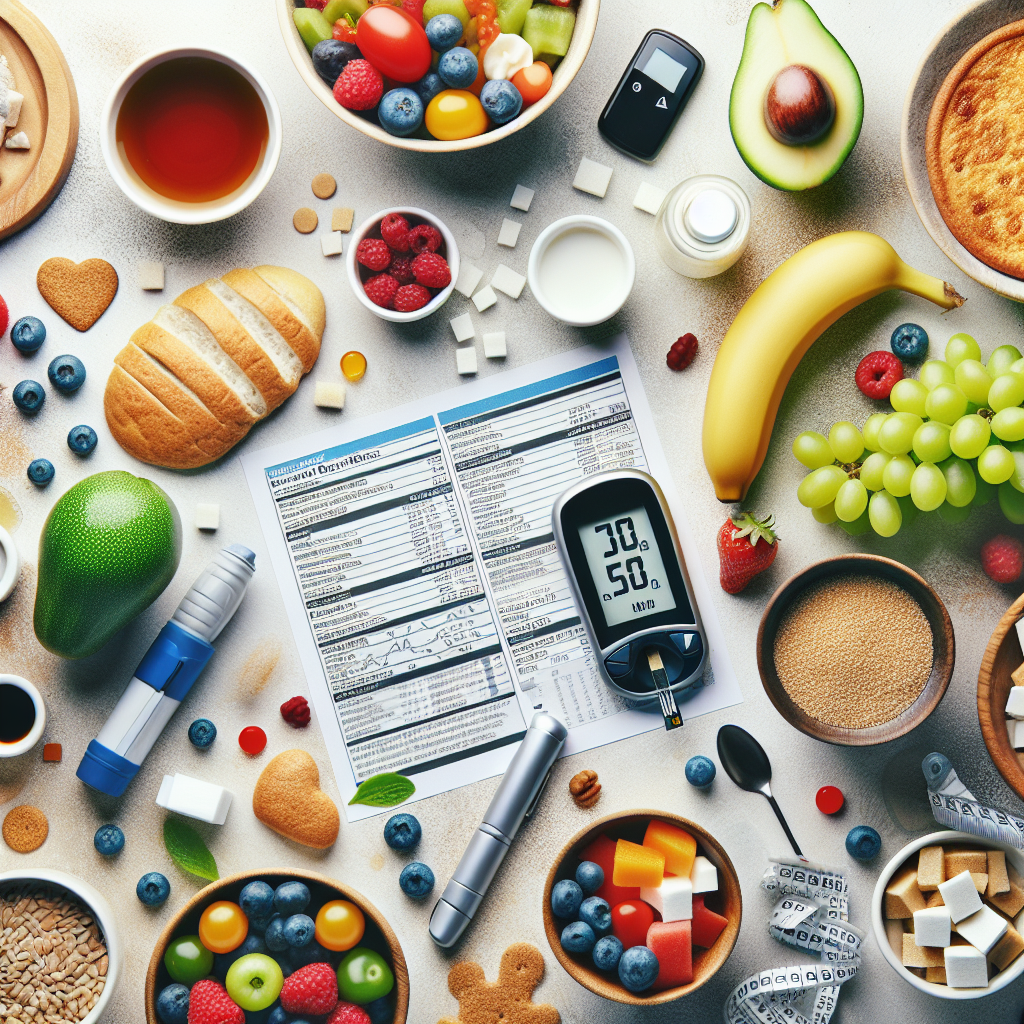
Consider using a continuous glucose monitor (CGM) or a traditional blood glucose meter to keep tabs on your levels. Many devices offer mobile apps for convenient tracking and analysis.
Conclusion
Managing blood sugar levels is a multifaceted endeavor that requires a balanced approach to diet, physical activity, and lifestyle choices. By prioritizing low GI foods, increasing fiber and healthy fats, choosing lean proteins, and practicing mindful eating, you can achieve better blood sugar control in 2023 and beyond. Remember, individual needs may vary, so it’s essential to consult with a healthcare professional or registered dietitian for personalized guidance. With the right strategies, you can take charge of your health and enjoy the benefits of stable blood sugar levels.
“`
#ChatGPT assisted in the creation of this article.