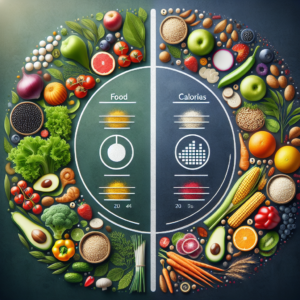

In a world where fast food is often more accessible than fresh produce, maintaining a healthy diet can be challenging. However, clean eating offers a sustainable and effective approach to improving your overall health and well-being. At its core, clean eating is about consuming whole, unprocessed foods and making conscious choices about what you put into your body. This article will provide insightful tips to help you embrace clean eating and ultimately lead a healthier lifestyle.
Understanding Clean Eating
Clean eating is not a diet in the traditional sense. Instead, it is a lifestyle choice that emphasizes the consumption of nutrient-dense foods. The focus is on eating foods in their most natural state, minimizing processed foods, and being mindful of the origin and quality of what you eat. By prioritizing whole foods, you can reduce your intake of additives, preservatives, and unhealthy fats, which are common in processed foods.
Choosing Whole Foods
One of the fundamental principles of clean eating is choosing whole foods over processed ones. Whole foods are those that are closest to their original form and have undergone minimal processing. These include fruits, vegetables, whole grains, nuts, seeds, and lean proteins. By opting for whole foods, you not only increase your nutrient intake but also enjoy the natural flavors and textures that these foods offer.
Benefits of Whole Foods
Whole foods are rich in essential nutrients like vitamins, minerals, and antioxidants. These nutrients play a crucial role in supporting bodily functions, boosting immunity, and preventing chronic diseases. Additionally, whole foods are typically lower in calories and higher in fiber, which can aid in weight management and improve digestion.
Prioritizing Fresh Produce
Fruits and vegetables are the cornerstone of a clean eating regimen. They are packed with vitamins, minerals, and antioxidants that help protect your body from oxidative stress and inflammation. When shopping for produce, aim for a variety of colors to ensure a diverse intake of nutrients.
Seasonal and Local Produce
Choosing seasonal and local produce can enhance the quality and taste of your meals. Seasonal produce is often more flavorful and nutritious, as it is harvested at its peak ripeness. Moreover, purchasing locally grown fruits and vegetables supports local farmers and reduces the carbon footprint associated with transporting food over long distances.
Including Lean Proteins
Protein is an essential macronutrient that plays a vital role in building and repairing tissues, producing enzymes, and supporting immune function. When focusing on clean eating, it is important to choose lean sources of protein, such as poultry, fish, legumes, and tofu.
Benefits of Lean Proteins
Lean proteins are lower in saturated fats, which can help reduce the risk of heart disease and support weight management. Additionally, they provide essential amino acids that are necessary for muscle growth and repair. Incorporating a variety of protein sources into your diet can ensure you receive a balanced array of nutrients.
Embracing Healthy Fats
Not all fats are created equal, and clean eating encourages the inclusion of healthy fats in your diet. These include monounsaturated and polyunsaturated fats, which can be found in foods like avocados, nuts, seeds, and olive oil.
Role of Healthy Fats
Healthy fats are essential for brain health, hormone production, and the absorption of fat-soluble vitamins (A, D, E, and K). They also provide a concentrated source of energy and can help keep you satiated between meals. Including a moderate amount of healthy fats in your diet can support heart health and reduce inflammation.
Limiting Processed Foods
Processed foods are often high in added sugars, unhealthy fats, and sodium, which can contribute to various health issues like obesity, heart disease, and diabetes. By limiting processed foods, you can reduce your intake of these harmful substances and focus on nourishing your body with wholesome ingredients.
Reading Food Labels
When purchasing packaged foods, it is important to read food labels carefully. Look for products with short ingredient lists and recognizable ingredients. Avoid items with added sugars, artificial additives, and hydrogenated oils. Understanding food labels can empower you to make informed choices that align with your clean eating goals.
Staying Hydrated
Hydration is a key component of clean eating and overall health. Water is essential for maintaining bodily functions, aiding digestion, and supporting metabolism. Aim to drink plenty of water throughout the day and limit sugary beverages like sodas and fruit juices.
Infused Water and Herbal Teas
If you find plain water unappealing, try infusing it with fresh fruits, herbs, or vegetables for added flavor. Herbal teas are another great option, providing hydration and additional health benefits without added sugars or calories.
Practicing Mindful Eating
Mindful eating involves being present and fully engaged during meals. It encourages you to savor each bite, pay attention to hunger cues, and appreciate the flavors and textures of your food. By practicing mindful eating, you can develop a healthier relationship with food and prevent overeating.
Tips for Mindful Eating
To practice mindful eating, start by eliminating distractions like television or smartphones during meals. Take the time to chew your food thoroughly and savor each bite. Listen to your body’s hunger and fullness signals, and stop eating when you feel satisfied.
Planning and Preparing Meals
Meal planning and preparation are essential components of clean eating. By planning your meals in advance, you can ensure a balanced intake of nutrients and avoid the temptation of unhealthy convenience foods.
Batch Cooking and Meal Prep
Batch cooking and meal prep can save time and reduce stress during busy weeks. Prepare larger quantities of healthy meals and store them in portion-sized containers for easy access. This approach allows you to have nutritious meals on hand, reducing the likelihood of resorting to fast food or processed snacks.
Conclusion
Embracing clean eating is a powerful step towards a healthier lifestyle. By focusing on whole foods, fresh produce, lean proteins, and healthy fats, you can nourish your body and mind. Limiting processed foods, staying hydrated, and practicing mindful eating can further enhance your well-being. Remember that clean eating is a journey, and small, consistent changes can lead to long-lasting health benefits. With dedication and mindfulness, you can transform your eating habits and enjoy a more vibrant and balanced life.