Meal prepping has become a popular approach for those looking to maintain a healthy diet and streamline their weekly food routine. When done correctly, it can save time, reduce stress, and keep you on track towards achieving your nutrition goals. However, even the most well-intentioned meal prep efforts can go awry. In this article, we’ll explore common meal prep mistakes that could be sabotaging your nutrition goals and offer practical solutions to get you back on track.
Overlooking Portion Control
One of the most common meal prep mistakes is failing to properly manage portion sizes. While preparing meals in bulk can be convenient, it can also lead to overeating if portions are not appropriately controlled. This can inadvertently result in consuming more calories than needed, which could hinder weight loss or maintenance goals.
Solution
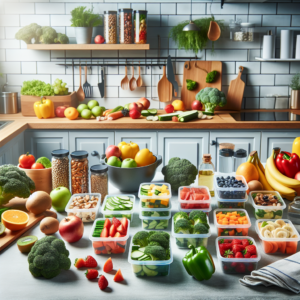
Invest in a set of measuring cups, spoons, and a kitchen scale to ensure accurate portion sizes. Familiarize yourself with recommended serving sizes for different food groups to better gauge how much you should be preparing for each meal. Additionally, consider using portioned containers to help keep servings consistent and under control.
Lack of Variety
While meal prepping the same few dishes for the week can simplify the process, it can also lead to dietary monotony. Eating the same meals repeatedly can cause taste fatigue, making it more tempting to reach for unhealthy options to break the monotony. Moreover, a lack of variety can result in nutrient deficiencies if your diet isn’t well-rounded.
Solution
Rotate your recipes weekly to incorporate a diverse range of foods. Experiment with new ingredients, cuisines, and cooking techniques to keep your meals exciting and balanced. Make it a goal to include a variety of colors on your plate, as different colors often indicate a range of nutrients and vitamins.
Neglecting Freshness
Prepping meals too far in advance or improperly storing them can lead to a decline in food quality and freshness. Consuming meals that have lost their flavor and texture can be unappetizing, making it less likely that you’ll stick to your meal plan.
Solution
Store meals in airtight containers and refrigerate or freeze them promptly to maintain freshness. Plan your meal prep sessions so that you’re not preparing more than what you can consume in a few days. For items like salads, consider storing components separately and assembling them just before eating to keep them crisp and fresh.
Ignoring Nutritional Balance
It’s easy to focus on convenience rather than nutrition when meal prepping, which can lead to meals that are lacking in essential nutrients. Over-relying on any single macronutrient, such as carbohydrates or protein, without balancing with others can lead to imbalanced meals.
Solution
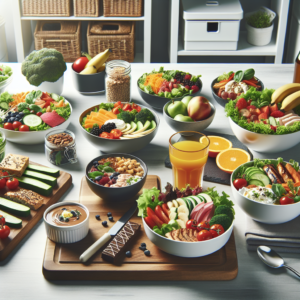
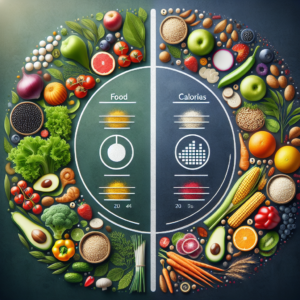
Strive for a balanced plate that includes lean proteins, complex carbohydrates, healthy fats, and plenty of fruits and vegetables. Use tools like the MyPlate guide to ensure you’re covering all nutritional bases. Planning meals around whole, minimally processed foods can further enhance nutritional quality.
Failing to Plan for Snacks
While many focus on preparing main meals, snacks are often an afterthought. Without healthy snacks on hand, it’s easy to resort to unhealthy options like chips or candy when hunger strikes between meals.
Solution
Include snacks in your meal prep routine by preparing items like cut fruits, nuts, yogurt, or homemade energy bars. Portion them in advance to prevent overeating and make them as convenient as possible to grab on-the-go.
Overlooking Food Safety
Foodborne illnesses are a serious risk if food safety isn’t prioritized during meal prep. Improper handling, cooking, and storing of food can lead to contamination and illness.
Solution
Follow basic food safety guidelines such as washing hands, using separate cutting boards for raw meats and produce, and cooking foods to their recommended internal temperatures. Ensure your refrigerator is set at the correct temperature, and avoid leaving perishable food out for extended periods.
Not Accounting for Lifestyle Changes
Life is dynamic, and sticking rigidly to a meal prep plan without considering changes in your schedule or appetite can be counterproductive. This can lead to food waste or resorting to unhealthy options if your prepped meals no longer fit your needs.
Solution
Build flexibility into your meal plan to accommodate changes in your schedule or cravings. Prepare a few extra servings of versatile ingredients like grilled chicken or roasted vegetables that can be used in various meals. This adaptability helps ensure you always have healthy options available, even when plans change.
Relying Too Heavily on Processed Foods
Pre-packaged and processed ingredients can be tempting for their convenience, but they often contain added sugars, sodium, and preservatives that can derail your nutrition goals.
Solution
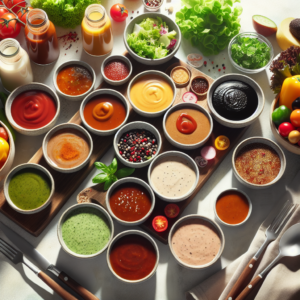
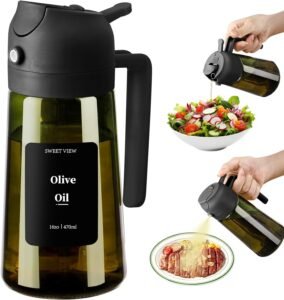
Focus on whole, unprocessed ingredients when meal prepping. Make items like sauces and dressings from scratch to control the ingredients and avoid unnecessary additives. Reading labels and making informed choices can help you steer clear of processed foods.
Conclusion
Meal prepping is a powerful tool for achieving your nutrition goals, but it’s essential to avoid common pitfalls that can sabotage your efforts. By being mindful of portion sizes, incorporating variety, ensuring freshness, balancing nutrients, and planning for snacks, you can create a sustainable and enjoyable meal prep routine. Prioritizing food safety and allowing for flexibility will further enhance your success, keeping you on track towards a healthier lifestyle. Remember, the key is to make your meal prep approach work for you, adapting as needed to support your unique goals and preferences.
#ChatGPT assisted in the creation of this article.