In today’s fast-paced world, maintaining a healthy lifestyle often takes a back seat to other priorities. Yet, the importance of nutrition and smart eating cannot be overstated. Developing healthy eating habits is not just about weight management; it’s about nourishing your body, boosting your energy levels, and enhancing your overall well-being. In this article, we will explore the essential aspects of smart eating habits and how they can transform your health.
Understanding the Basics of Nutrition
Before diving into smart eating habits, it’s crucial to understand the foundational principles of nutrition. Nutrition is the science of how the body uses food to sustain life, growth, and health. It involves the intake of essential nutrients, including carbohydrates, proteins, fats, vitamins, minerals, and water.
Macronutrients: The Energy Providers
Macronutrients are nutrients that provide calories or energy. They include:
- Carbohydrates: The body’s primary energy source. Opt for complex carbs like whole grains, vegetables, and legumes.
- Proteins: Essential for building and repairing tissues. Include lean meats, fish, beans, and nuts in your diet.
- Fats: Vital for brain health and energy. Focus on healthy fats such as those found in avocados, olive oil, and nuts.
Micronutrients: The Unsung Heroes
Micronutrients, though required in smaller quantities, are crucial for overall health. They include vitamins and minerals that play a role in various bodily functions, from bone health to immune support. A varied diet rich in fruits, vegetables, and whole foods ensures adequate micronutrient intake.
The Importance of Smart Eating Habits
Adopting smart eating habits goes beyond choosing the right foods; it’s about making informed decisions that lead to a healthier lifestyle. Here are some key components to consider:
Portion Control
Understanding portion sizes is essential to avoid overeating. Even healthy foods can contribute to weight gain if consumed in large quantities. Use smaller plates, measure servings, and listen to your body’s hunger cues to maintain a balanced intake.
Mindful Eating
Mindful eating involves paying full attention to the eating experience without distractions. By savoring each bite, you can better recognize hunger and satiety signals, leading to improved digestion and satisfaction.
Balanced Meals
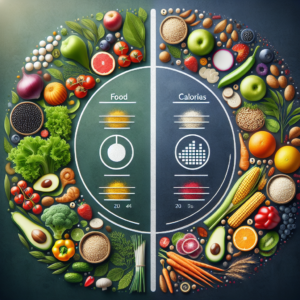
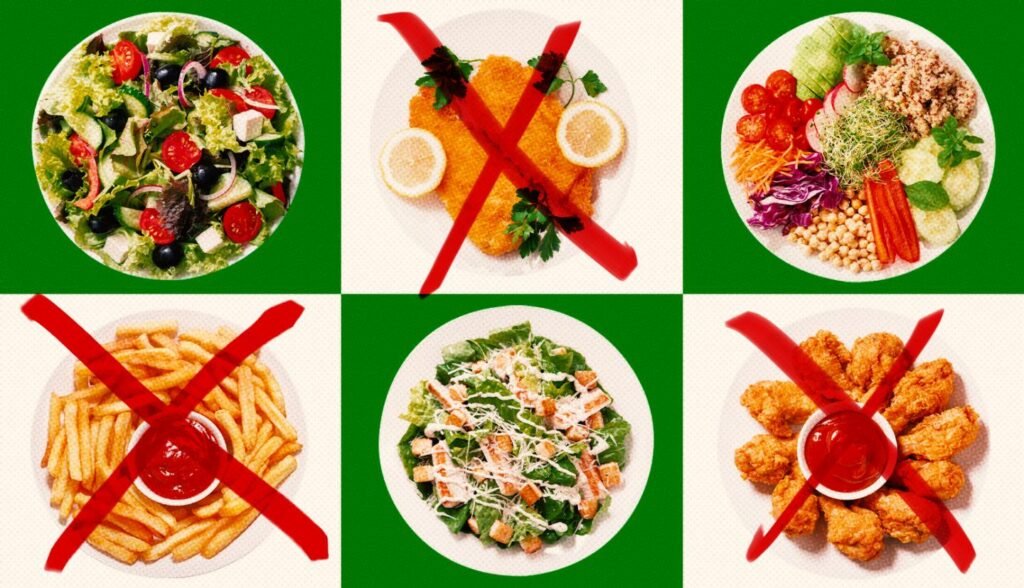
A balanced meal includes a variety of food groups to ensure you’re getting a wide range of nutrients. Aim to fill half of your plate with fruits and vegetables, a quarter with lean protein, and the remaining quarter with whole grains.
Building Smart Eating Habits
Transforming your health through smart eating habits requires commitment and consistency. Here are practical steps to help you get started:
Plan Your Meals
Meal planning is a powerful tool that helps you make healthier choices. By planning your meals for the week, you can ensure a balanced diet, reduce food waste, and save time and money. Incorporate a variety of foods to keep your meals interesting and nutritious.
Read Food Labels
Understanding food labels empowers you to make informed decisions about what you eat. Pay attention to serving sizes, calories, and nutrient content. Look for foods low in saturated fats, added sugars, and sodium.
Cook at Home
Preparing meals at home allows you to control ingredients and portion sizes. Experiment with healthy recipes and cooking methods such as steaming, grilling, or baking. Cooking at home can also be a fun and rewarding activity that brings family and friends together.
Stay Hydrated
Water is essential for every cell and function in the body. Aim to drink at least 8 cups of water a day, and more if you’re active. Limit sugary drinks and alcohol, which can dehydrate the body and add unnecessary calories.
Overcoming Challenges
Adopting smart eating habits can be challenging, especially with busy schedules and temptations. Here are some strategies to overcome common obstacles:
Time Constraints
Busy lifestyles can make it difficult to prioritize healthy eating. Consider meal prepping on weekends, using slow cookers, or opting for quick, healthy options like salads and smoothies to save time during the week.
Social Pressures
Social gatherings often revolve around food, making it hard to stick to healthy habits. Communicate your dietary preferences to friends and family, and offer to bring a healthy dish to share. Remember, it’s okay to indulge occasionally, but moderation is key.
Emotional Eating
Stress and emotions can trigger overeating. Practice stress-reduction techniques such as meditation, exercise, or journaling to manage emotional eating. Seek support from a professional if needed to address underlying issues.
The Long-Term Benefits of Smart Eating Habits
Embracing smart eating habits can have profound effects on your health and quality of life. Here are some long-term benefits to consider:
Improved Physical Health
A balanced diet supports a healthy weight, reduces the risk of chronic diseases such as heart disease and diabetes, and promotes longevity. Proper nutrition also enhances energy levels, physical performance, and recovery.
Mental Well-being
Nutrition plays a crucial role in mental health. A diet rich in omega-3 fatty acids, antioxidants, and other nutrients supports brain function and mood regulation. Healthy eating can reduce the risk of depression, anxiety, and cognitive decline.
Enhanced Quality of Life
Smart eating habits contribute to a higher quality of life by improving sleep, boosting immunity, and promoting healthy skin and hair. When you feel good physically and mentally, you’re more likely to engage in activities you enjoy and maintain meaningful relationships.
Conclusion
Transforming your health through smart eating habits is a journey that requires dedication and mindfulness. By understanding nutrition basics, adopting balanced eating practices, and overcoming challenges, you can unlock the full potential of a healthy lifestyle. Start making small changes today, and watch as they lead to significant improvements in your overall well-being. Remember, it’s never too late to take control of your health and master the art of smart eating.