
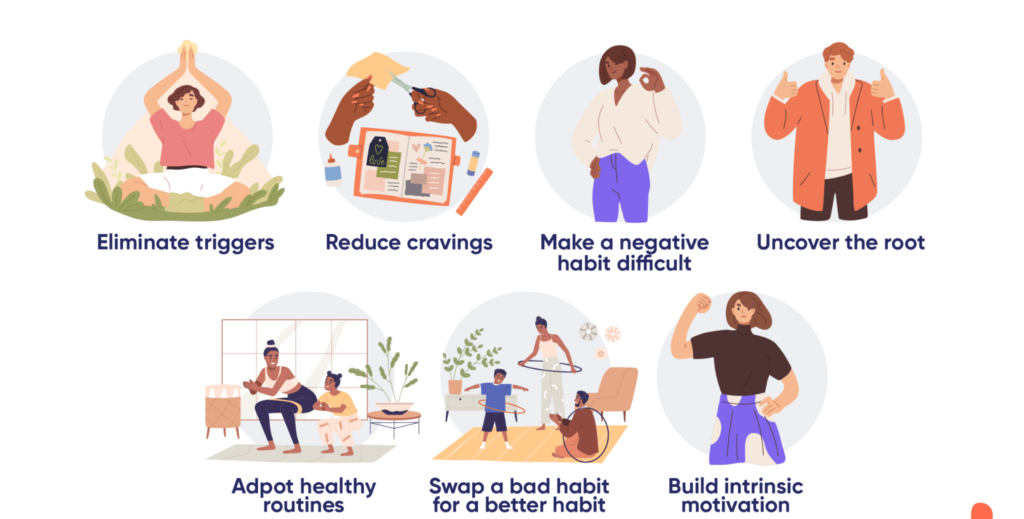
In today’s fast-paced world, maintaining a healthy lifestyle can seem like a daunting task. However, by incorporating a few simple habits into your daily routine, you can transform your life and achieve a greater sense of well-being. This article will explore simple yet effective healthy habits that can lead to significant improvements in your physical, mental, and emotional health.
The Power of Hydration
Water is essential for life, and staying properly hydrated is one of the simplest ways to enhance your overall health. Drinking enough water each day helps regulate body temperature, transport nutrients, and remove waste. It also plays a critical role in maintaining energy levels and cognitive function.
How Much Water Should You Drink?
The amount of water you need can vary based on factors such as age, gender, activity level, and climate. A general guideline is to aim for at least eight 8-ounce glasses of water per day, also known as the “8×8 rule.” However, listening to your body and adjusting your intake based on your individual needs is crucial.
Nourishing Your Body with Balanced Nutrition
Eating a balanced diet rich in whole foods is another fundamental habit for a healthier lifestyle. Focus on consuming a variety of fruits, vegetables, lean proteins, whole grains, and healthy fats to provide your body with the nutrients it needs to function optimally.
Understanding Macronutrients
Macronutrients, including carbohydrates, proteins, and fats, are the primary components of our diet. Each plays a unique role in our health:
- Carbohydrates: Provide energy for daily activities and support brain function.
- Proteins: Aid in tissue repair, muscle growth, and immune function.
- Fats: Support cell growth, protect organs, and aid in nutrient absorption.
Mindful Eating
Practicing mindful eating can help you develop a healthier relationship with food. This involves paying attention to hunger cues, eating slowly, and savoring each bite. By being present during meals, you’re more likely to recognize when you’re full and avoid overeating.
Prioritizing Physical Activity
Regular physical activity is essential for maintaining a healthy body and mind. Exercise helps improve cardiovascular health, build and maintain muscle mass, reduce stress, and improve mood.
Finding an Activity You Enjoy
The key to sticking with an exercise routine is finding an activity you genuinely enjoy. Whether it’s walking, cycling, swimming, dancing, or weightlifting, choosing something you look forward to will make it easier to incorporate regular physical activity into your life.
Setting Realistic Goals
Setting achievable fitness goals can help keep you motivated. Start with small, specific goals, such as walking for 20 minutes a day or attending a yoga class once a week, and gradually increase the intensity and duration as you become more comfortable.
The Importance of Quality Sleep
Sleep is a vital component of overall health and well-being. It allows your body to repair and recharge, supports cognitive function, and regulates mood.
Establishing a Sleep Routine
Creating a consistent sleep schedule can help improve the quality of your sleep. Aim to go to bed and wake up at the same time each day, even on weekends. Additionally, establish a relaxing bedtime routine to signal to your body that it’s time to wind down.
Creating a Sleep-Friendly Environment
Your sleep environment plays a crucial role in the quality of your rest. Keep your bedroom cool, dark, and quiet, and invest in a comfortable mattress and pillows. Limiting exposure to screens and electronic devices before bedtime can also help improve sleep quality.
Managing Stress Effectively
Chronic stress can have detrimental effects on both physical and mental health. Learning to manage stress effectively is essential for maintaining a healthy lifestyle.
Incorporating Relaxation Techniques
Relaxation techniques such as deep breathing, meditation, and progressive muscle relaxation can help reduce stress and promote a sense of calm. Incorporate these practices into your daily routine to help manage stress levels.
Building a Support System
Having a strong support network of friends, family, or colleagues can provide emotional support and help you cope with stress. Don’t hesitate to reach out for help when needed, and consider seeking professional support if you find stress overwhelming.
Cultivating a Positive Mindset
A positive mindset can significantly impact your overall well-being. By focusing on gratitude and cultivating a positive outlook, you can improve your mental health and enhance your quality of life.
Practicing Gratitude
Taking time each day to reflect on the things you’re grateful for can shift your focus from negativity to positivity. Consider keeping a gratitude journal or sharing your appreciation with others to reinforce a positive mindset.
Embracing Self-Compassion
Being kind to yourself and practicing self-compassion can help reduce self-criticism and improve self-esteem. Remember that everyone makes mistakes, and it’s essential to treat yourself with the same kindness and understanding you’d offer a friend.
Conclusion
Transforming your life through simple healthy habits is not only achievable but also rewarding. By prioritizing hydration, balanced nutrition, physical activity, quality sleep, stress management, and a positive mindset, you can enhance your overall well-being and live a more fulfilling life. Remember, change doesn’t happen overnight. Be patient with yourself and celebrate your progress along the way. Adopt these healthy habits one step at a time, and you’ll be well on your way to a healthier and happier you.