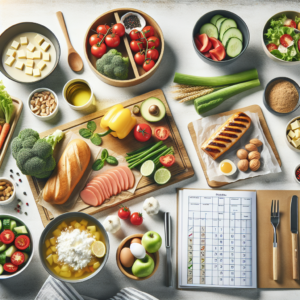
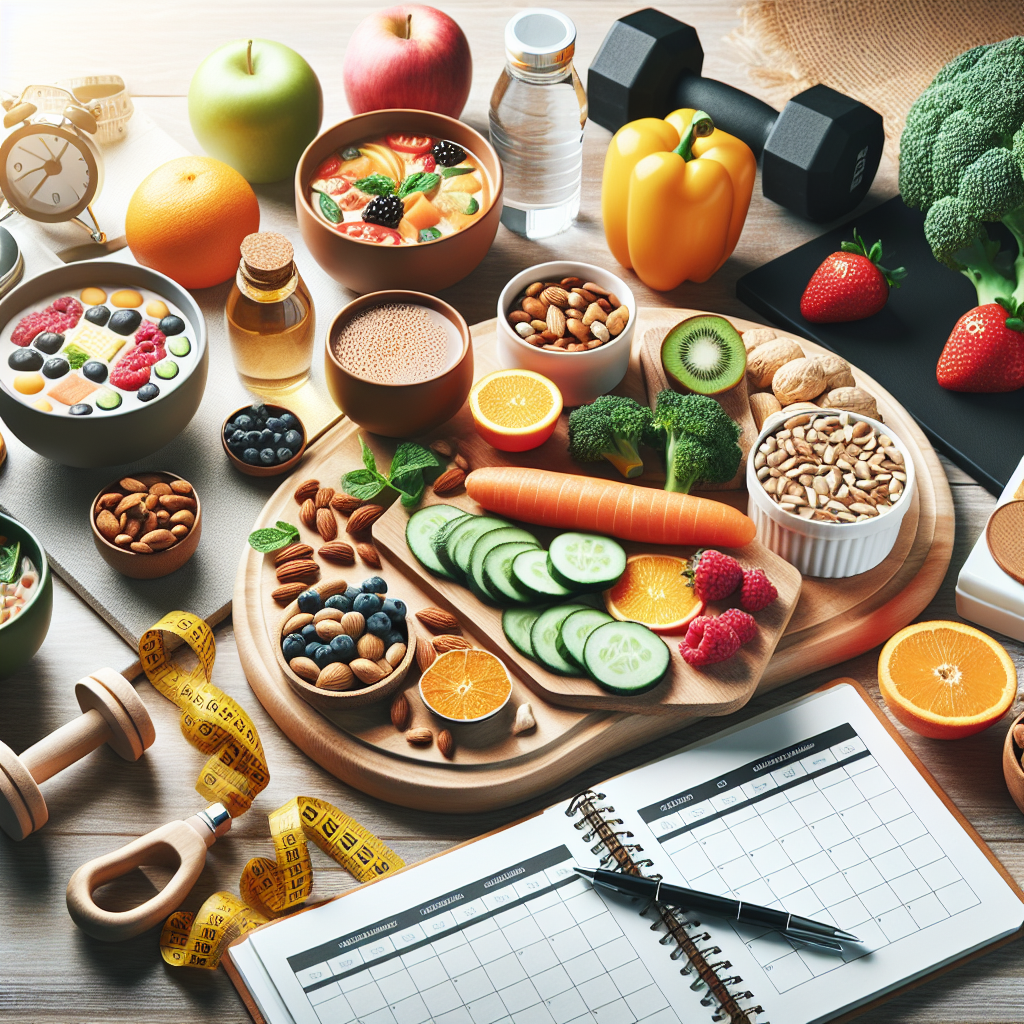
Embarking on a weight loss journey can be a daunting task, but with the right tools and strategies, it can be both achievable and sustainable. Among these strategies, meal planning stands out as an effective approach to maintaining a healthy diet and achieving weight loss goals. Not only does it help in controlling calorie intake, but it also ensures that you are consuming a balanced diet rich in essential nutrients. In this comprehensive guide, we will delve into the essentials of meal planning for weight loss, offering tips, strategies, and recipes that will make your journey smoother and more enjoyable.
Understanding the Basics of Meal Planning
Meal planning involves preparing and organizing meals ahead of time. It is a proactive approach that allows you to make healthier choices by eliminating the need for last-minute decisions, which often lead to unhealthy eating habits. By planning your meals, you can control portion sizes, ensure a balanced diet, and avoid unnecessary snacking.
Benefits of Meal Planning for Weight Loss
- Portion Control: Meal planning allows you to pre-determine the portion sizes, helping you avoid overeating.
- Calorie Management: By planning meals, you can track your calorie intake more accurately, maintaining a calorie deficit necessary for weight loss.
- Balanced Nutrition: Ensures that you include a variety of nutrients in your diet, supporting overall health and well-being.
- Reduced Temptation: Having a set meal plan reduces the temptation to indulge in unhealthy snacks or fast food.
- Time and Cost Efficiency: Planning helps in reducing food waste and saving money by buying only what you need.
Steps to Effective Meal Planning
Implementing a successful meal plan involves several steps, which, when followed diligently, can lead to significant weight loss results.
1. Set Clear Goals
Before you start meal planning, it’s crucial to set clear, realistic goals. Determine how much weight you want to lose and over what period. This will guide your meal planning process and keep you motivated.
2. Understand Your Caloric Needs
To lose weight, you need to consume fewer calories than you burn. Use tools or consult with a nutritionist to determine your daily caloric needs based on your age, sex, weight, height, and activity level.
3. Plan Balanced Meals
A balanced meal should include a mix of macronutrients: carbohydrates, proteins, and fats. Focus on incorporating whole, unprocessed foods like fruits, vegetables, lean proteins, and whole grains.
4. Create a Weekly Menu
Start by drafting a weekly menu. Choose a day of the week to plan, shop, and prepare meals. Having a visual layout of your meals makes it easier to stick to the plan.
5. Prepare in Advance
Spend some time preparing meals in advance, such as chopping vegetables or cooking grains. This reduces the time spent cooking during the week and makes it easier to follow your meal plan.
6. Incorporate Variety
Keeping your meals varied will help prevent boredom and cravings. Experiment with new recipes and cuisines to keep your taste buds engaged.
Tips for Successful Meal Planning
- Start Small: If you’re new to meal planning, start with planning just a few meals per week and gradually increase as you become more comfortable.
- Use Technology: Utilize apps and online resources to find recipes, create shopping lists, and track your caloric intake.
- Stay Flexible: Allow room for flexibility in your meal plan. Life is unpredictable, and sometimes plans need to change. Adapt without feeling guilty.
- Batch Cook: Prepare large portions of meals that can be stored and consumed over several days, saving time and effort.
- Stay Hydrated: Don’t forget the importance of water. Sometimes, thirst can be mistaken for hunger.
Sample Meal Plan for Weight Loss
Here is a sample meal plan to give you an idea of how to structure your meals for effective weight loss. Adjust portions and ingredients according to your caloric needs and preferences.
Day 1
- Breakfast: Oatmeal with sliced bananas and a sprinkle of chia seeds.
- Lunch: Grilled chicken salad with mixed greens, cherry tomatoes, cucumber, and balsamic vinaigrette.
- Snack: A small apple with almond butter.
- Dinner: Baked salmon with steamed broccoli and quinoa.
Day 2
- Breakfast: Greek yogurt with mixed berries and a tablespoon of granola.
- Lunch: Whole grain wrap with turkey, lettuce, tomato, and hummus.
- Snack: Carrot sticks with hummus.
- Dinner: Stir-fried tofu with vegetables and brown rice.
Delicious Recipes for Weight Loss
Here are a couple of easy-to-make recipes that are both delicious and conducive to weight loss.
Grilled Chicken Salad
Ingredients:
- 2 cups mixed greens
- 1 grilled chicken breast, sliced
- 1 cup cherry tomatoes, halved
- 1/2 cucumber, sliced
- 1/4 cup feta cheese
- 2 tablespoons balsamic vinaigrette
Instructions:
- In a large bowl, combine mixed greens, cherry tomatoes, cucumber, and feta cheese.
- Top with sliced grilled chicken.
- Drizzle with balsamic vinaigrette and toss to combine.
- Serve immediately.
Baked Salmon with Quinoa
Ingredients:
- 1 salmon fillet
- 1 tablespoon olive oil
- 1 lemon, sliced
- Salt and pepper to taste
- 1 cup quinoa
- 2 cups water
- 1 cup steamed broccoli
Instructions:
- Preheat the oven to 375°F (190°C).
- Place the salmon fillet on a baking sheet, drizzle with olive oil, and season with salt and pepper. Top with lemon slices.
- Bake for 15-20 minutes until cooked through and flaky.
- Meanwhile, rinse quinoa under cold water. In a saucepan, bring water to a boil, add quinoa, reduce heat, and simmer for 15 minutes until water is absorbed.
- Serve baked salmon with quinoa and steamed broccoli.
Conclusion
Meal planning is a powerful tool in the quest for weight loss. By setting clear goals, understanding your nutritional needs, and preparing meals in advance, you can take control of your diet and achieve your weight loss objectives. Remember to stay flexible and allow yourself the occasional indulgence to maintain a healthy relationship with food. With consistency and determination, meal planning can become a seamless part of your lifestyle, leading to lasting health benefits and weight loss success.