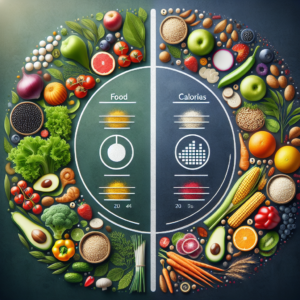
In the quest for optimal health, understanding the role of vitamins and minerals in our diet is crucial. These essential nutrients are vital for various bodily functions, from boosting the immune system to ensuring proper brain function. This guide provides an in-depth look at the most important vitamins and minerals, their benefits, food sources, and recommended daily intake.
The Role of Vitamins and Minerals in Health
Vitamins and minerals are micronutrients that our bodies need to function correctly. Unlike macronutrients, such as carbohydrates, fats, and proteins, we require them in smaller quantities. Despite this, their impact on health and well-being is profound.
Vitamins
Vitamins are organic compounds that are crucial for a variety of metabolic processes. They are divided into two categories: fat-soluble and water-soluble.
Fat-soluble Vitamins
These vitamins are stored in the body’s fatty tissue and liver and include vitamins A, D, E, and K.
- Vitamin A: Essential for maintaining healthy vision, immune function, and skin health. It can be found in foods like carrots, sweet potatoes, and spinach.
- Vitamin D: Important for bone health and immune function. It is obtained from sunlight exposure and foods such as fatty fish, egg yolks, and fortified milk.
- Vitamin E: Acts as an antioxidant, protecting cells from damage. Sources include nuts, seeds, and green leafy vegetables.
- Vitamin K: Necessary for blood clotting and bone metabolism. Found in leafy greens, broccoli, and Brussels sprouts.
Water-soluble Vitamins
These vitamins are not stored in the body and need to be consumed regularly. They include vitamin C and the B-vitamin group.
- Vitamin C: Known for its role in boosting the immune system and as an antioxidant. Rich sources include citrus fruits, strawberries, and bell peppers.
- B-vitamins: A group that includes B1 (thiamine), B2 (riboflavin), B3 (niacin), B5 (pantothenic acid), B6 (pyridoxine), B7 (biotin), B9 (folate), and B12 (cobalamin). They are essential for energy metabolism and red blood cell production. Sources include whole grains, meat, eggs, and dairy products.
Minerals
Minerals are inorganic elements that play critical roles in various bodily functions. They are categorized into two groups: macrominerals and trace minerals.
Macrominerals
These are needed in larger amounts and include calcium, potassium, sodium, magnesium, phosphorus, chloride, and sulfur.
- Calcium: Vital for bone and teeth health, muscle function, and nerve signaling. Found in dairy products, fortified plant milks, and leafy greens.
- Potassium: Helps maintain fluid balance and supports muscle and nerve function. Sources include bananas, potatoes, and spinach.
- Sodium: Essential for fluid balance and nerve transmission but should be consumed in moderation. Found in table salt and processed foods.
- Magnesium: Involved in over 300 enzymatic reactions in the body, including energy production. Sources include nuts, seeds, and whole grains.
- Phosphorus: Important for the formation of bones and teeth and found in protein-rich foods like meat, fish, and dairy.
- Chloride: Works with sodium to maintain proper fluid balance. Found in salt and many vegetables.
- Sulfur: Important for protein synthesis and found in garlic, onions, and cruciferous vegetables.
Trace Minerals
These are required in smaller amounts but are equally important and include iron, zinc, iodine, selenium, copper, manganese, fluoride, chromium, and molybdenum.
- Iron: Crucial for the formation of hemoglobin and oxygen transport. Found in red meat, beans, and fortified cereals.
- Zinc: Supports immune function and wound healing. Found in meat, shellfish, and legumes.
- Iodine: Essential for thyroid function and found in iodized salt, seafood, and dairy products.
- Selenium: Acts as an antioxidant and supports thyroid function. Found in Brazil nuts, seafood, and eggs.
- Copper: Important for iron metabolism and found in shellfish, nuts, and seeds.
- Manganese: Involved in bone formation and energy metabolism. Found in whole grains, nuts, and leafy vegetables.
- Fluoride: Important for dental health and found in fluoridated water and tea.
- Chromium: Involved in macronutrient metabolism and found in broccoli, potatoes, and whole grains.
- Molybdenum: Essential for enzyme function and found in legumes, grains, and nuts.
Recommended Daily Intake
The recommended daily intake of vitamins and minerals varies based on age, gender, and life stage. The Dietary Reference Intakes (DRIs) provide guidelines on the adequate intake levels to prevent deficiencies and promote overall health.
For adults, some general recommendations include:
- Vitamin A: 700-900 mcg/day
- Vitamin C: 75-90 mg/day
- Vitamin D: 600-800 IU/day
- Calcium: 1000-1200 mg/day
- Iron: 8-18 mg/day
It is crucial to note that excessive intake of certain vitamins and minerals can lead to toxicity. It’s always best to aim for a balanced diet rich in whole foods to meet your nutritional needs.
Conclusion
Vitamins and minerals are foundational to maintaining optimal health. While supplements can be beneficial in certain situations, obtaining these nutrients through a varied and balanced diet is the best approach. Emphasizing a diet rich in fruits, vegetables, whole grains, lean proteins, and healthy fats will help ensure you get the essential vitamins and minerals your body needs to thrive.
Understanding the roles and sources of these nutrients empowers you to make informed dietary choices, supporting long-term health and well-being. Always consult with a healthcare professional before making significant changes to your diet or beginning new supplements, especially if you have underlying health conditions or are pregnant or breastfeeding.
#ChatGPT assisted in the creation of this article.