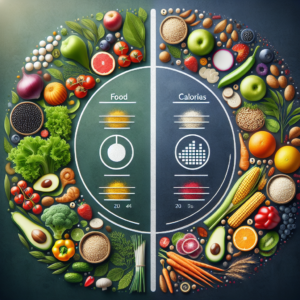
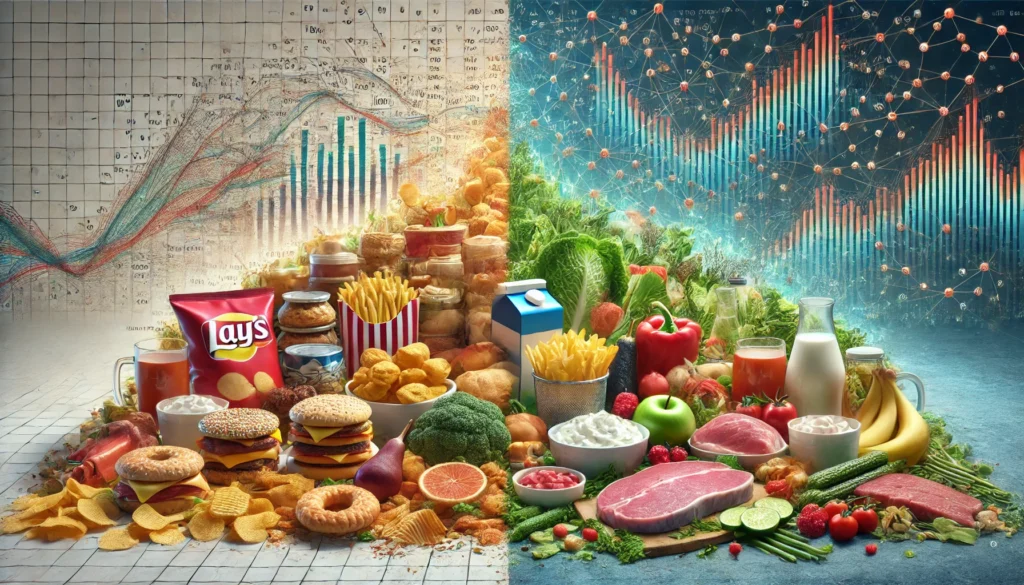
In the modern world, with its fast-paced lifestyle and a plethora of food options, understanding the nutritional content of what we consume has never been more crucial. The food we eat is more than just fuel; it is a complex interaction of nutrients that influences our health, energy levels, and overall well-being. The key to harnessing these benefits lies in understanding food nutrition facts. This article will delve into how these facts can empower us to make healthier choices and unlock the secret power of nutrition.
The Basics of Food Nutrition Facts
Food nutrition facts are the detailed information provided on food packaging that explains the nutrient content of the food product. These labels typically include information about calories, macronutrients (carbohydrates, proteins, and fats), vitamins, minerals, and sometimes additional information like fiber content and sugar levels. Understanding these components is essential for anyone looking to maintain a balanced diet.
Calories: The Energy Metric
Calories are the unit of measurement for energy. Knowing the calorie content of food helps us balance energy intake with energy expenditure, which is critical for weight management. However, not all calories are created equal; the source of calories, whether from carbohydrates, proteins, or fats, can affect how the body processes them. Therefore, looking beyond calorie count to the quality of calories is vital.
Macronutrients: The Building Blocks
Macronutrients provide the energy and structural materials needed for growth and repair. Understanding the role of each macronutrient is key to optimizing diets:
- Carbohydrates: Often misunderstood, carbohydrates are the body’s primary energy source. They should be consumed in the form of complex carbohydrates like whole grains, fruits, and vegetables, which provide sustained energy and fiber.
- Proteins: Essential for building and repairing tissues, proteins are made up of amino acids. They can come from both animal and plant sources, with plant-based proteins offering additional health benefits such as fiber.
- Fats: While often labeled as unhealthy, fats are crucial for hormone production, nutrient absorption, and cell health. Opt for healthy fats like those found in avocados, nuts, and olive oil, while minimizing trans fats and saturated fats.
Micronutrients: The Vital Support
Micronutrients, composed of vitamins and minerals, are required in smaller amounts but are vital for the body’s proper functioning. They play key roles in maintaining immune function, bone health, and energy production, among other things. A varied diet rich in fruits, vegetables, and whole grains typically provides the necessary micronutrients.
Decoding the Nutrition Label
Understanding how to read and interpret nutrition labels is a powerful tool in making healthier food choices. Here’s a step-by-step guide to unlocking the information on these labels:
Serving Size and Servings Per Container
The serving size indicates the amount of food that is considered a single serving, while the servings per container tell you how many servings are in the entire package. This information is crucial to accurately gauge how much you are consuming, especially when it comes to calorie and nutrient intake.
Calories and Caloric Breakdown
The calorie section shows how much energy you get from one serving. Additionally, understanding the caloric breakdown—how many calories come from fat, carbohydrates, and protein—can help you better balance your diet.
Nutrients: Amounts and Daily Values
The nutrients section lists the amounts of each nutrient per serving and their percentage of the daily value (%DV). The %DV helps you understand how much a nutrient in a serving of food contributes to a daily diet, based on a 2,000-calorie-per-day intake, which is a general guideline.
Ingredients List
The ingredients list provides insight into the composition of the food product. Ingredients are listed in descending order of predominance by weight. Knowing how to identify unhealthy ingredients, like added sugars and artificial additives, can further guide healthier choices.
The Benefits of Understanding Nutrition Facts
Empowering oneself with knowledge about food nutrition facts can lead to numerous health benefits:
Weight Management
By understanding the caloric content and nutrient profile of foods, individuals can better manage their weight. This understanding helps balance caloric intake with expenditure, which is essential for maintaining a healthy weight.
Improved Nutritional Quality
Awareness of nutrition facts encourages the selection of foods with higher nutritional quality. This means choosing foods that are rich in vitamins, minerals, and essential nutrients while being mindful of undesirable components like added sugars and unhealthy fats.
Chronic Disease Prevention
A diet informed by nutrition facts can reduce the risk of chronic diseases such as heart disease, diabetes, and certain cancers. Consuming a variety of nutrient-dense foods supports overall health and helps in managing existing health conditions.
Practical Tips for Using Nutrition Facts
Here are some practical tips to effectively incorporate nutrition facts into your daily life:
Plan Your Meals
Use nutrition facts to plan balanced meals. Aim for a plate filled with a variety of colors and food groups to ensure a comprehensive intake of nutrients.
Be Mindful of Portion Sizes
Portion control is crucial. Pay attention to serving sizes on nutrition labels to avoid overeating, especially with calorie-dense foods.
Limit Processed Foods
Processed foods often contain unhealthy additives and high levels of sodium and sugar. Opt for whole, unprocessed foods when possible.
Stay Informed
Stay updated with nutrition science and recommendations. Trends and guidelines can change, so it’s important to continually educate yourself.
Conclusion
Unlocking the secret power of food nutrition facts involves more than just counting calories. It’s about understanding the complex interplay of nutrients and making informed choices that support a healthy lifestyle. By mastering the art of reading and interpreting nutrition labels, we can take control of our diets, enhance our well-being, and enjoy the full benefits of the food we consume. Remember, the journey to healthy eating is a lifelong commitment, but with knowledge and mindfulness, it can be a fulfilling and rewarding path.