
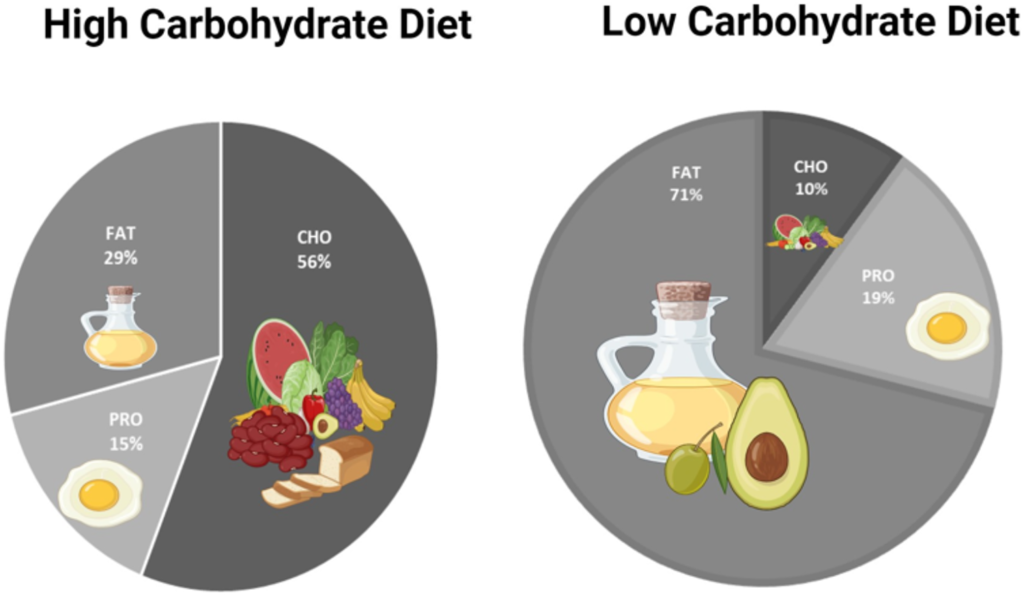
In the quest for effective weight loss, the low carb diet has gained significant popularity due to its ability to deliver rapid results. By reducing carbohydrate intake and focusing on protein and healthy fats, this dietary approach helps the body switch from burning carbs to burning fat for energy. This metabolic shift, known as ketosis, is the cornerstone of many low carb diets, including the ketogenic diet. This article will explore the principles of low carb diets, their benefits, and how you can unlock rapid results by adopting this lifestyle.
Understanding the Science Behind Low Carb Diets
The primary goal of a low carb diet is to reduce the intake of carbohydrates, which are usually the body’s main energy source. When carbs are restricted, the body is forced to find an alternative energy source, leading it to burn stored fat. This process involves the liver producing ketones from fatty acids, which become the new energy currency for the body and brain.
The reduction in carbohydrates also leads to lower insulin levels. Insulin is a hormone that promotes fat storage, so by minimizing its presence, the body becomes more efficient at burning stored fat. Additionally, lower insulin levels can reduce hunger, helping individuals naturally eat less and lose weight without feeling deprived.
The Benefits of a Low Carb Diet
Adopting a low carb diet offers numerous benefits, particularly for those seeking rapid weight loss. Here are some of the key advantages:
1. Rapid Weight Loss
By switching to a low carb diet, many individuals experience significant weight loss within the first few weeks. This rapid result is often due to the loss of water weight, as carbohydrates hold water in the body. As the body enters ketosis, fat loss continues, leading to sustained weight loss over time.
2. Improved Blood Sugar and Insulin Levels
A low carb diet can help stabilize blood sugar levels by reducing the intake of high-glycemic foods. This is particularly beneficial for individuals with type 2 diabetes or insulin resistance, as it can enhance insulin sensitivity and reduce the need for medication.
3. Increased Satiety
High-protein and high-fat foods are more satiating than carbohydrates, leading to reduced hunger and fewer cravings. This natural appetite suppression makes it easier to adhere to a calorie deficit, which is essential for weight loss.
4. Enhanced Mental Clarity
Many people report improved focus and mental clarity when on a low carb diet. This is attributed to the brain’s preference for ketones as an energy source, providing a steady supply of fuel that avoids the energy spikes and crashes associated with carb-heavy meals.
5. Potential Cardiovascular Benefits
While the long-term effects of low carb diets on heart health are still being studied, some research suggests that they may improve certain cardiovascular risk factors, such as HDL cholesterol levels and triglycerides.
Implementing a Low Carb Diet for Rapid Results
To successfully implement a low carb diet and achieve rapid weight loss, consider the following steps:
1. Set Clear Goals
Determine your weight loss goals and how a low carb diet fits into your overall health plan. Whether you aim to lose a specific number of pounds or improve a health condition, having clear objectives will keep you motivated.
2. Plan Your Meals
Planning is crucial for success on a low carb diet. Prepare a list of low carb foods and create meal plans that align with your dietary preferences. Focus on whole, unprocessed foods like lean meats, fish, eggs, vegetables, nuts, and seeds.
3. Track Your Carb Intake
To ensure you’re staying on track, monitor your daily carbohydrate intake. Many low carb diets recommend consuming between 20-50 grams of net carbs per day, depending on your goals and activity level.
4. Stay Hydrated
Drinking plenty of water is essential on a low carb diet, as reduced carb intake can lead to a loss of electrolytes. Staying hydrated helps prevent symptoms like fatigue and headaches, and supports optimal body function.
5. Incorporate Exercise
Regular physical activity enhances weight loss and improves overall health. Incorporate both aerobic exercises and strength training to maximize fat burning and build lean muscle mass.
Potential Challenges and How to Overcome Them
While a low carb diet can be highly effective, it may pose certain challenges. Here are some common obstacles and tips for overcoming them:
1. The “Keto Flu”
Some individuals experience flu-like symptoms during the initial phase of a low carb diet, known as the “keto flu.” This includes fatigue, dizziness, and irritability. These symptoms usually subside within a few days. To alleviate them, ensure adequate hydration and consider increasing your salt intake to balance electrolytes.
2. Social Situations
Dining out or attending social events can be challenging on a low carb diet. Plan ahead by reviewing restaurant menus, choosing venues with low carb options, or bringing your own low carb dishes to gatherings.
3. Cravings and Temptations
Cravings for high-carb foods can be challenging, especially in the beginning. Combat these by finding low carb alternatives to your favorite treats and staying focused on your long-term goals.
Conclusion: Unlocking the Potential of a Low Carb Diet
A low carb diet can be an effective strategy for unlocking rapid weight loss results. By understanding the science behind this approach and implementing it thoughtfully, you can achieve your weight loss goals while improving your overall health. Remember to set realistic expectations, plan your meals, and stay committed to your journey. With determination and the right mindset, a low carb diet can be the key to unlocking a healthier, leaner you.