
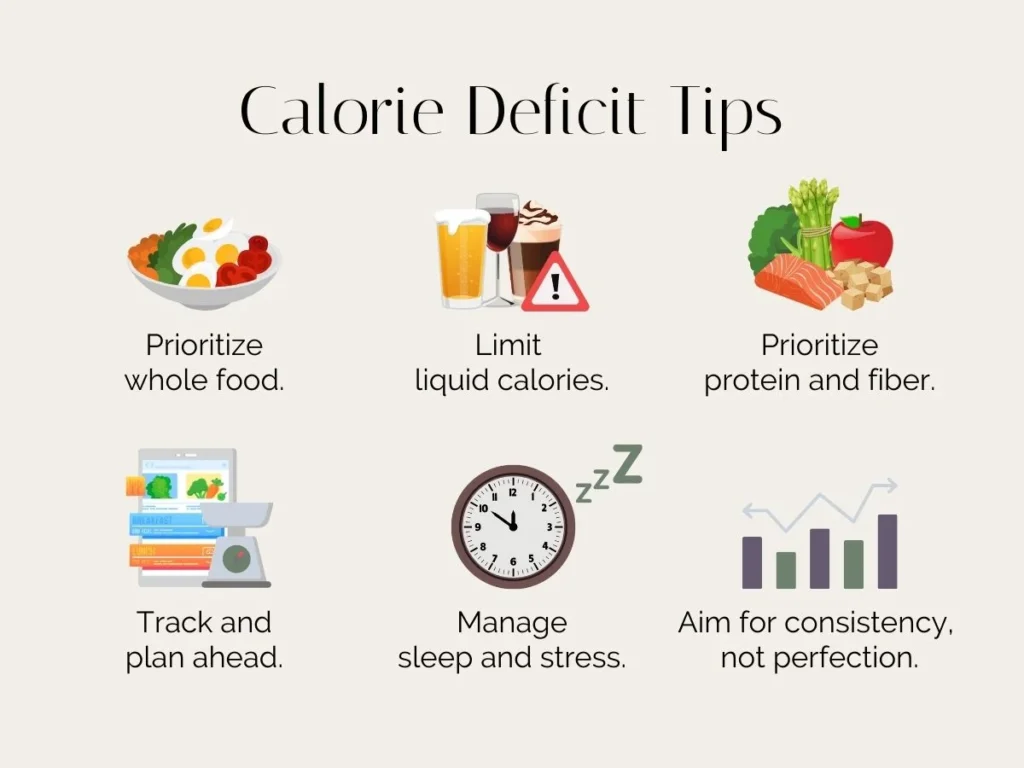
Achieving weight loss goals often centers around creating a calorie deficit, where the number of calories consumed is less than what the body requires to maintain its current weight. This strategy forms the cornerstone of many successful weight loss plans. However, not all calorie deficits are created equal. Implementing effective strategies can enhance weight loss while maintaining health and well-being. In this article, we will explore the concept of a calorie deficit and provide a comprehensive guide on how to maximize weight loss through effective calorie deficit strategies.
Understanding Calorie Deficit
A calorie deficit occurs when you consume fewer calories than your body needs to maintain its current weight. This deficit forces your body to tap into stored fat for energy, resulting in weight loss over time. The key to successful weight loss is creating a sustainable calorie deficit that promotes fat loss while preserving lean muscle mass.
The Science Behind Calorie Deficit
To understand how calorie deficits lead to weight loss, it’s crucial to grasp the concept of energy balance. The body requires a certain number of calories to perform basic functions like breathing, digestion, and physical activity. This is known as Total Daily Energy Expenditure (TDEE). When you consume fewer calories than your TDEE, your body compensates by breaking down fat stores to meet its energy needs, leading to weight loss.
Setting Realistic Calorie Deficit Goals
When embarking on a weight loss journey, it’s important to set realistic and achievable calorie deficit goals. A modest calorie deficit of 500-1000 calories per day is generally considered safe and effective, leading to a steady weight loss of 1-2 pounds per week. This approach minimizes the risk of nutrient deficiencies and helps preserve muscle mass.
Calculating Your Calorie Needs
To determine the appropriate calorie deficit, start by calculating your Basal Metabolic Rate (BMR) and TDEE. The BMR represents the number of calories your body needs at rest, while TDEE accounts for physical activity. Numerous online calculators can help estimate these values based on age, gender, weight, height, and activity level. Once you have your TDEE, subtract 500-1000 calories to establish your daily calorie intake for weight loss.
Strategies to Maximize Weight Loss with Calorie Deficit
1. Nutrient-Dense Foods
Focusing on nutrient-dense foods is crucial for maintaining health while in a calorie deficit. Incorporate a variety of fruits, vegetables, lean proteins, whole grains, and healthy fats into your diet. These foods are rich in essential vitamins and minerals, helping to meet nutritional needs even with reduced calorie intake.
2. Mindful Eating
Mindful eating encourages paying attention to hunger cues and savoring each bite, promoting a more conscious and satisfying eating experience. This practice can prevent overeating and help maintain a calorie deficit. Techniques include eating slowly, avoiding distractions during meals, and recognizing fullness signals.
3. Regular Physical Activity
Incorporating regular physical activity not only increases calorie expenditure but also supports cardiovascular health and muscle preservation. Aim for a combination of aerobic exercises, like walking or cycling, and strength training to boost metabolism and enhance weight loss efforts.
4. Intermittent Fasting
Intermittent fasting involves cycling between periods of eating and fasting, which can help regulate calorie intake and promote weight loss. Popular methods include the 16/8 approach, where you fast for 16 hours and eat during an 8-hour window. This strategy can help control hunger and reduce overall calorie consumption.
5. Hydration and Sleep
Staying hydrated and getting adequate sleep are often overlooked components of weight loss. Drinking enough water can aid in appetite control and metabolism, while quality sleep supports hormonal balance and recovery. Aim for at least 7-9 hours of sleep per night and drink water throughout the day to optimize weight loss efforts.
Potential Pitfalls and How to Avoid Them
1. Overly Restrictive Diets
Extreme calorie restrictions can lead to nutrient deficiencies, muscle loss, and a slowed metabolism. Avoid diets that eliminate entire food groups or drastically cut calorie intake. Instead, focus on balanced meals that provide adequate nutrition and energy.
2. Neglecting Protein Intake
Protein is essential for muscle preservation, especially during a calorie deficit. Ensure you’re consuming enough protein to support muscle maintenance and repair. Incorporate sources like lean meats, beans, lentils, tofu, and dairy into your diet.
3. Ignoring Hunger Signals
Ignoring hunger signals can lead to overeating later on. It’s important to listen to your body and eat when genuinely hungry. Practice portion control and choose satisfying, nutrient-dense foods to keep hunger at bay.
Conclusion
Maximizing weight loss with effective calorie deficit strategies involves a combination of mindful eating, regular physical activity, and lifestyle adjustments. By setting realistic goals, focusing on nutrient-dense foods, and avoiding common pitfalls, you can create a sustainable calorie deficit that promotes healthy and lasting weight loss. Remember that consistency is key, and small, gradual changes often lead to the most successful outcomes. Always consult with a healthcare professional or registered dietitian before making significant changes to your diet or exercise routine.