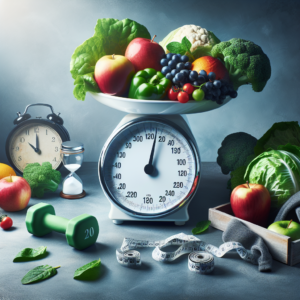

In today’s fast-paced world, many people seek quick solutions to weight management. The desire for rapid weight loss is understandable, given the pressures of societal standards and personal health goals. However, while fast weight loss can be achieved, it’s essential to approach it in a healthy, sustainable manner. This article dives into effective strategies for rapid weight loss and offers tips for achieving quick results without compromising your well-being.
The Science Behind Weight Loss
Before diving into tips, it’s crucial to understand the basic science of weight loss. At its core, weight loss occurs when you burn more calories than you consume. This calorie deficit forces your body to use stored fat for energy, resulting in weight loss. However, factors such as metabolism, age, gender, and activity level can influence how quickly you lose weight.
Create a Calorie Deficit
Calculate Your Basal Metabolic Rate (BMR)
Your BMR is the number of calories your body needs to maintain basic physiological functions like breathing and digestion. Use an online calculator to estimate your BMR based on your age, gender, weight, and height. Knowing your BMR helps determine how many calories you should consume to create an effective calorie deficit.
Monitor Your Caloric Intake
To achieve rapid weight loss, keeping track of your daily calorie intake is crucial. Use food diaries or mobile apps to log everything you eat and drink. Aim for a deficit of 500-1000 calories per day to lose approximately 1-2 pounds per week, which is considered a safe and sustainable rate of weight loss.
Adopt a Balanced Diet
Focus on Nutrient-Dense Foods
Fill your plate with fruits, vegetables, lean proteins, and whole grains. These foods are rich in nutrients and fiber, helping you feel full on fewer calories. Avoid empty-calorie foods, such as sugary snacks and fried items, which can sabotage your weight loss efforts.
Incorporate Protein-Rich Foods
Protein is crucial for maintaining muscle mass during weight loss. It also has a high thermic effect, meaning your body burns more calories digesting it compared to fats and carbohydrates. Include protein sources like chicken, fish, tofu, beans, and legumes in your meals.
Stay Hydrated
Drinking enough water is vital for overall health and can aid in weight loss. Water helps control hunger, increases metabolism, and improves digestion. Aim for at least 8-10 cups of water daily, and consider consuming water-rich foods such as cucumbers, watermelon, and tomatoes.
Engage in Regular Exercise
Incorporate Cardiovascular Activities
Cardio exercises like running, cycling, and swimming are excellent for burning calories quickly. Aim for at least 150 minutes of moderate-intensity or 75 minutes of high-intensity cardio exercise per week. This not only aids weight loss but also improves cardiovascular health.
Strength Training
Incorporate strength training exercises to build muscle mass, which can boost your metabolism. Muscle tissue burns more calories at rest compared to fat tissue, making strength training a critical component of rapid weight loss. Aim for two to three sessions per week, focusing on major muscle groups.
Optimize Your Lifestyle
Prioritize Sleep
Adequate sleep is often overlooked in weight loss journeys. Lack of sleep can disrupt hormones that regulate hunger, leading to increased appetite and weight gain. Aim for 7-9 hours of quality sleep per night to support your weight loss efforts.
Manage Stress
Chronic stress can lead to weight gain due to increased production of cortisol, a hormone that promotes fat storage, especially in the abdominal area. Practice stress-reducing techniques such as meditation, yoga, or deep-breathing exercises to support your weight loss goals.
Avoid Common Pitfalls
Don’t Skip Meals
Skipping meals can lead to overeating later in the day and slowing down your metabolism. Instead, focus on eating smaller, balanced meals throughout the day to maintain energy levels and avoid binge eating.
Beware of Fad Diets
Fad diets promising rapid weight loss often lack essential nutrients and can be unsustainable long-term. Instead, focus on making gradual, healthy changes to your eating habits that you can maintain over time.
Track Your Progress
Regular Weigh-Ins
Weigh yourself regularly to monitor your progress. Weekly weigh-ins can help you stay accountable and make necessary adjustments to your diet or exercise routine. Remember, weight can fluctuate due to factors like water retention, so don’t be discouraged by minor changes.
Celebrate Non-Scale Victories
Weight loss isn’t solely about the number on the scale. Celebrate non-scale victories such as improved energy levels, better fitting clothes, or increased strength and endurance.
Consult a Professional
While rapid weight loss is achievable, it’s essential to approach it safely. Consult a healthcare professional or a registered dietitian before starting any weight loss plan. They can provide personalized advice and ensure that your approach is safe and effective.
Conclusion
Rapid weight loss is possible with the right approach and mindset. By creating a calorie deficit, adopting a balanced diet, engaging in regular exercise, and optimizing your lifestyle, you can achieve quick results. However, it’s crucial to prioritize your health and well-being throughout the process. Remember, sustainable weight loss is a journey, not a destination, and the habits you develop along the way will contribute to long-term success.