In today’s fast-paced world, maintaining optimal health is a priority for many. With an abundance of information available about nutrition, it can be overwhelming to determine the best approach for daily dietary habits. This guide aims to simplify the complexities of nutrition and provide actionable steps to master daily nutrition for optimal health. By understanding the fundamental components of a balanced diet, recognizing the importance of nutrient diversity, and making informed food choices, you can lay the foundation for a healthier lifestyle.
Understanding Macronutrients
Macronutrients—carbohydrates, proteins, and fats—are the cornerstone of any diet. They provide the energy and building blocks necessary for bodily functions.
Carbohydrates: The Primary Energy Source
Carbohydrates are the body’s main source of energy. They are found in foods such as grains, fruits, vegetables, and legumes. When consumed, carbohydrates break down into glucose, which fuels your brain, muscles, and other essential functions. While simple carbohydrates provide quick energy, complex carbohydrates offer sustained energy and are rich in fiber, which aids digestion and promotes satiety.
Proteins: Building and Repairing the Body
Proteins are crucial for building and repairing tissues, producing enzymes, and supporting immune function. They consist of amino acids, nine of which are essential, meaning they must be obtained from the diet. Good sources include meat, dairy, beans, and nuts. A balanced intake of protein supports muscle health and keeps you feeling full longer.
Fats: Essential for Health
Despite their bad reputation, fats are essential for health. They help absorb vitamins, protect organs, and provide energy. Focus on unsaturated fats found in avocados, nuts, seeds, and olive oil. Limit saturated fats and avoid trans fats, which can increase the risk of chronic diseases.
The Role of Micronutrients
Micronutrients, including vitamins and minerals, are vital for overall health, even though they are needed in smaller amounts compared to macronutrients. They support a variety of bodily functions, from bone health to energy production and immune support.
Vitamins: Organic Compounds with Diverse Functions
Vitamins are organic compounds necessary for various bodily functions. For example, vitamin C is important for immune function and skin health, while vitamin D supports bone health. A diverse diet rich in fruits, vegetables, and whole foods often meets vitamin needs without the need for supplements.
Minerals: Inorganic Elements for Structural and Regulatory Functions
Minerals such as calcium, potassium, and iron are essential for maintaining strong bones, fluid balance, and oxygen transport. Consuming a varied diet with dairy products, leafy greens, lean meats, and whole grains helps ensure adequate mineral intake.
Hydration: The Unsung Hero
Water is often overlooked in discussions about nutrition, but it is crucial for maintaining optimal health. It regulates body temperature, aids digestion, and supports cognitive function. Aim for at least eight 8-ounce glasses of water per day, adjusting for activity levels and climate.
Balancing Calories and Portion Control
Maintaining a healthy weight is largely about balancing calorie intake with energy expenditure. Understanding portion sizes and avoiding overeating is key. Mindful eating, which involves paying attention to hunger cues and savoring meals, can help prevent overconsumption.
Incorporating Nutrient-Dense Foods
Focusing on nutrient-dense foods ensures you get the most out of your caloric intake. These foods are rich in essential nutrients relative to their calorie content. Examples include leafy greens, berries, salmon, and quinoa. They provide vitamins, minerals, and other beneficial compounds without excess calories.
Special Diets and Considerations
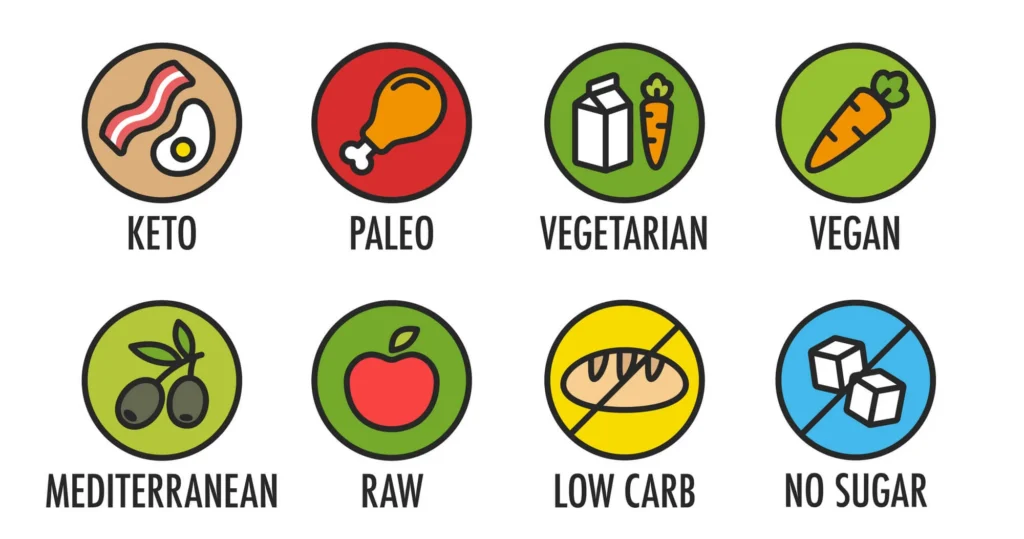
Various dietary patterns can support health, from plant-based diets to Mediterranean and ketogenic approaches. Each has its benefits and considerations, and the best choice depends on individual health goals and preferences.
Plant-Based Diets: Emphasizing Vegetables and Whole Foods
Plant-based diets focus on fruits, vegetables, legumes, and whole grains while minimizing animal products. They are associated with lower risks of heart disease and certain cancers. Ensure adequate intake of vitamin B12, iron, and omega-3 fatty acids if following this diet.
Mediterranean Diet: A Heart-Healthy Choice
The Mediterranean diet emphasizes olive oil, fish, fruits, vegetables, and whole grains, with moderate wine consumption. It is linked to cardiovascular benefits and longevity. This diet is sustainable and enjoyable, making it a popular choice for many.
Ketogenic Diet: High-Fat, Low-Carb
The ketogenic diet involves high fat, low carbohydrate intake, which shifts the body into ketosis, a state where fat is used for energy. While effective for weight loss and managing certain medical conditions, it requires careful monitoring and may not suit everyone.
Practical Tips for Mastering Daily Nutrition
Implementing these practical strategies can help you master daily nutrition:
- Plan your meals: Preparing meals and snacks in advance can help you maintain a balanced diet and avoid unhealthy choices.
- Read labels: Understanding food labels can guide healthier choices by revealing nutritional content.
- Cook at home: Home-cooked meals allow for control over ingredients and portion sizes.
- Practice moderation: Allow treats in moderation to prevent feelings of deprivation.
- Stay informed: Keep up with credible nutrition information and adjust your diet as needed.
Conclusion
Mastering daily nutrition is a journey that requires understanding the roles of macronutrients, micronutrients, and hydration. By focusing on nutrient-dense foods, balancing caloric intake, and considering individual dietary needs, you can achieve optimal health. Remember, a balanced diet is not about perfection but making informed choices that support your well-being. By adopting these strategies, you can create a sustainable and enjoyable approach to nutrition that enhances your quality of life.