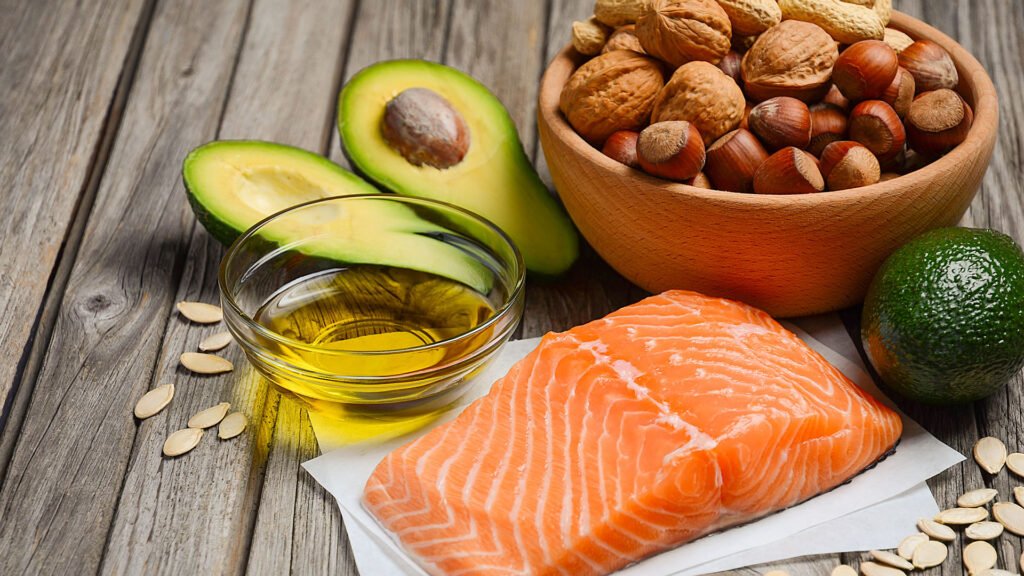
Selection of healthy fat sources, rustic background, selective focus, copy space
In the world of nutrition, fats have often been misunderstood and vilified. However, not all fats are created equal, and some are essential for optimal health. The truth is, incorporating good fats into your diet can significantly enhance your overall well-being. This article will explore the importance of good fats and introduce you to some of the best sources of these essential nutrients.
Understanding Fats: The Good, the Bad, and the Essential
Fats are a macronutrient, alongside proteins and carbohydrates, and they play critical roles in our bodies. They are necessary for the absorption of fat-soluble vitamins (A, D, E, and K), provide energy, support cell growth, and protect our organs. However, not all fats are beneficial.
Types of Fats
Fats can be classified into four main types:
- Saturated Fats: Typically solid at room temperature, found in animal products and some tropical oils. While they are necessary in moderation, excessive consumption can lead to health issues.
- Trans Fats: Artificially created through hydrogenation, primarily found in processed foods. These are the worst type of fats for your health and should be avoided.
- Monounsaturated Fats: Found in various plant sources, these are considered heart-healthy and beneficial for overall health.
- Polyunsaturated Fats: Include omega-3 and omega-6 fatty acids, essential for brain function and cell growth. Our bodies cannot produce them, so they must be obtained from food.
The Benefits of Good Fats
Incorporating good fats into your diet can offer numerous health benefits:
- Heart Health: Good fats help reduce bad cholesterol levels, lowering the risk of heart disease and stroke.
- Brain Function: Omega-3 fatty acids are crucial for brain health, improving cognitive function and potentially reducing the risk of Alzheimer’s disease.
- Inflammation Reduction: Healthy fats have anti-inflammatory properties, which can help manage conditions like arthritis.
- Weight Management: Good fats can help you feel full longer, reducing overall calorie intake and assisting with weight management.
Top Sources of Good Fats
Now that we understand the importance of good fats, let’s explore some of the best food sources to include in your diet:
Avocados
Avocados are rich in monounsaturated fats, particularly oleic acid, which is known to offer heart health benefits. They are also packed with fiber, vitamins, and minerals, making them a nutritious addition to any meal. Add slices to your salads, blend them into smoothies, or enjoy them as a creamy spread on toast.
Olive Oil
Extra virgin olive oil is a staple of the Mediterranean diet, renowned for its health benefits. It’s rich in monounsaturated fats and antioxidants, which can help reduce inflammation and improve heart health. Use it as a salad dressing, drizzle it over cooked vegetables, or use it as a healthy cooking oil.
Nuts and Seeds
Nuts and seeds are excellent sources of both monounsaturated and polyunsaturated fats. Almonds, walnuts, chia seeds, and flaxseeds are particularly noteworthy. They also provide a good amount of fiber and protein. Enjoy them as a snack, sprinkle them over yogurt, or incorporate them into your baking.
Fatty Fish
Fatty fish like salmon, mackerel, and sardines are among the best sources of omega-3 fatty acids. These healthy fats are vital for heart and brain health. Aim to include fatty fish in your diet at least twice a week to reap the benefits. Grilled, baked, or poached, they make for a delicious and nutritious meal.
Coconuts and Coconut Oil
While coconut oil is high in saturated fats, it’s unique because it contains medium-chain triglycerides (MCTs), which are metabolized differently and can provide quick energy. Use coconut oil in moderation for cooking or baking and enjoy shredded coconut as a topping for desserts and smoothies.
Incorporating Good Fats into Your Diet
Including good fats in your diet doesn’t have to be complicated. Here are some practical tips to help you get started:
- Start Small: Begin by replacing unhealthy fats with healthier options. Swap butter with olive oil or spread avocado on bread instead of margarine.
- Plan Your Meals: Incorporate a variety of good fat sources throughout your week to ensure a balanced intake of different nutrients.
- Read Labels: Be mindful of food labels and choose products with healthier fat profiles. Avoid those high in trans fats.
- Experiment in the Kitchen: Try new recipes that feature good fats as the star ingredient, such as guacamole, nut butter smoothies, or grilled fish dishes.
Conclusion
Understanding and embracing the role of good fats in our diet can lead to a healthier, more balanced lifestyle. By incorporating foods rich in monounsaturated and polyunsaturated fats, like avocados, olive oil, nuts, seeds, and fatty fish, you can enjoy a range of health benefits, from improved heart health to enhanced brain function. Remember, moderation and variety are key to maximizing the benefits of good fats. So, start today and transform your diet by embracing these healthy and delicious options.
#ChatGPT assisted in the creation of this article.