Meal prepping has become a popular trend among health enthusiasts, busy professionals, and anyone looking to save time and eat healthier. A key component of successful meal prepping is choosing the right containers. The right meal prep containers can transform your meal planning routine, making it more efficient, organized, and sustainable. This guide will help you navigate the world of meal prep containers, offering insights into materials, sizes, and best practices to boost your efficiency.
The Importance of Choosing the Right Meal Prep Containers
Choosing the right meal prep containers is crucial for several reasons. They help maintain the freshness and quality of your food, ensure portion control, and make transportation easy. Moreover, the right containers can reduce food waste and save money in the long run. Investing in high-quality containers can streamline your meal prepping process, making it more enjoyable and less time-consuming.
Types of Meal Prep Containers
When it comes to meal prep containers, there are several types to consider. Understanding the pros and cons of each can help you make an informed decision based on your needs and preferences.
Plastic Containers
Plastic containers are lightweight, affordable, and widely available. They come in various shapes and sizes, making them versatile for different types of meals. However, it is essential to choose BPA-free options to avoid chemicals leaching into your food. While plastic containers are convenient, they are prone to staining and may not be as durable as other options.
Glass Containers
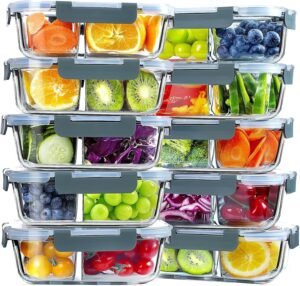
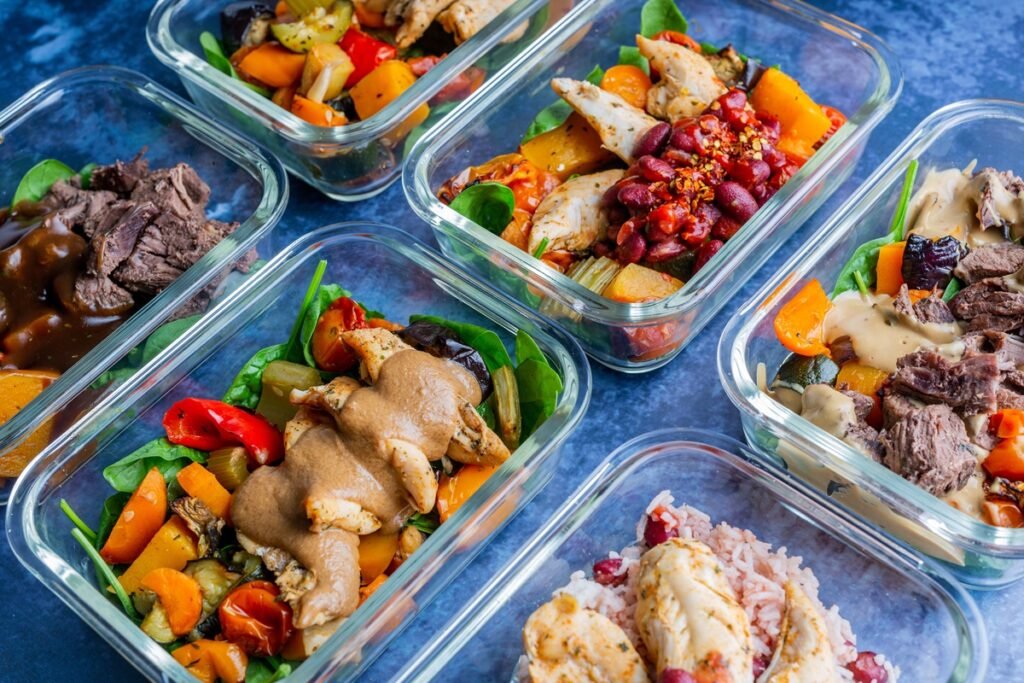
Glass containers are a popular choice for many meal preppers due to their durability and safety. They are microwave, oven, and dishwasher safe, making them ideal for reheating and cleaning. Glass does not absorb odors or stains, ensuring that your meals remain fresh. However, they are heavier and more expensive than plastic containers, which may be a consideration for some users.
Stainless Steel Containers
Stainless steel containers are durable, eco-friendly, and resistant to stains and odors. They are an excellent choice for those who prefer a sustainable option. However, they are not microwave-safe, which can be a drawback for those who rely on microwaving their meals. Additionally, stainless steel containers are often more expensive than plastic or glass alternatives.
Silicone Containers
Silicone containers are flexible, lightweight, and collapsible, making them perfect for saving space. They are also microwave and dishwasher safe. However, they may not be as durable as glass or stainless steel and can sometimes retain odors.
Choosing the Right Size and Shape
The size and shape of your meal prep containers are just as important as the material. Selecting the appropriate size ensures that your meals are adequately portioned, aiding in portion control and preventing overeating. Here’s what to consider:
Single-Compartment Containers
Single-compartment containers are ideal for simple meals or when you don’t need to separate different components. They offer maximum space for larger meals or salads but may not be suitable for dishes with multiple components that need separation.
Multi-Compartment Containers
Multi-compartment containers are excellent for meals with multiple components, such as a protein, vegetable, and starch. These containers help keep your ingredients separate, preserving flavors and textures. They are perfect for those who like variety in their meals.
Portion-Control Containers
Portion-control containers are pre-divided into specific serving sizes, helping you manage portion sizes and calorie intake. These are especially beneficial for individuals following specific dietary plans or those looking to maintain a balanced diet.
Best Practices for Meal Prep Containers
Once you’ve chosen the right meal prep containers, it’s important to follow best practices to maximize their efficiency and longevity.
Labeling and Organizing
Labeling your containers with the contents and date helps keep your refrigerator organized and ensures you consume meals before they expire. Use removable labels or dry-erase markers for easy updating.
Proper Storage
Store your containers in a way that maximizes space and maintains freshness. Stackable containers can save space, while airtight lids prevent spills and keep food fresh. Always ensure that lids are securely fastened to prevent leakage.
Cleaning and Maintenance
Proper cleaning and maintenance extend the life of your containers. Most containers are dishwasher safe, but hand washing can help preserve them longer. Avoid using abrasive materials that can scratch or damage the containers.
Eco-Friendly and Sustainable Options
For those looking to reduce their environmental impact, eco-friendly meal prep containers are an excellent choice. Consider the following sustainable options:
Bamboo Containers
Bamboo containers are biodegradable and made from renewable resources. They are lightweight and durable but not suitable for microwaving.
Recycled Plastic Containers
Recycled plastic containers offer a sustainable alternative to conventional plastic. They are made from post-consumer materials and can be recycled again after use.
Using Beeswax Wraps
Beeswax wraps are an eco-friendly alternative to plastic wrap. They can be used to cover bowls or wrap sandwiches and snacks, reducing the need for single-use plastics.
Conclusion
Choosing the right meal prep containers can significantly enhance your meal prepping efficiency and experience. By considering factors such as material, size, and sustainability, you can select containers that meet your needs and preferences. Investing in high-quality containers not only saves time and money but also contributes to a healthier lifestyle and a more organized kitchen. Remember, the ultimate goal of meal prepping is to simplify your life, and the right meal prep containers are a crucial step in achieving that goal.
#ChatGPT assisted in the creation of this article.