In the pursuit of optimal health and wellness, protein plays a quintessential role in our diet. As a macronutrient, it is vital for building and repairing tissues, making enzymes and hormones, and supporting overall bodily functions. Whether you’re an athlete, a busy professional, or someone looking to maintain a balanced diet, understanding the best sources of protein is crucial. This article delves into the top protein-rich foods that can help you achieve and maintain optimal health.
Understanding the Importance of Protein
Proteins are made up of amino acids, which are the building blocks of life. Of the 20 amino acids, nine are essential, meaning the body cannot produce them on its own and they must be obtained through diet. Protein is necessary for muscle growth and repair, immune function, and the production of hormones and enzymes. Consuming adequate protein can also aid in weight management by promoting satiety and boosting metabolism.
It’s important to note that the amount of protein required can vary based on age, gender, activity level, and overall health. The Recommended Dietary Allowance (RDA) for protein for an average adult is about 46 grams per day for women and 56 grams per day for men. However, athletes or those with higher physical demands might need more.
Top Animal-Based Protein Sources
1. Lean Meats
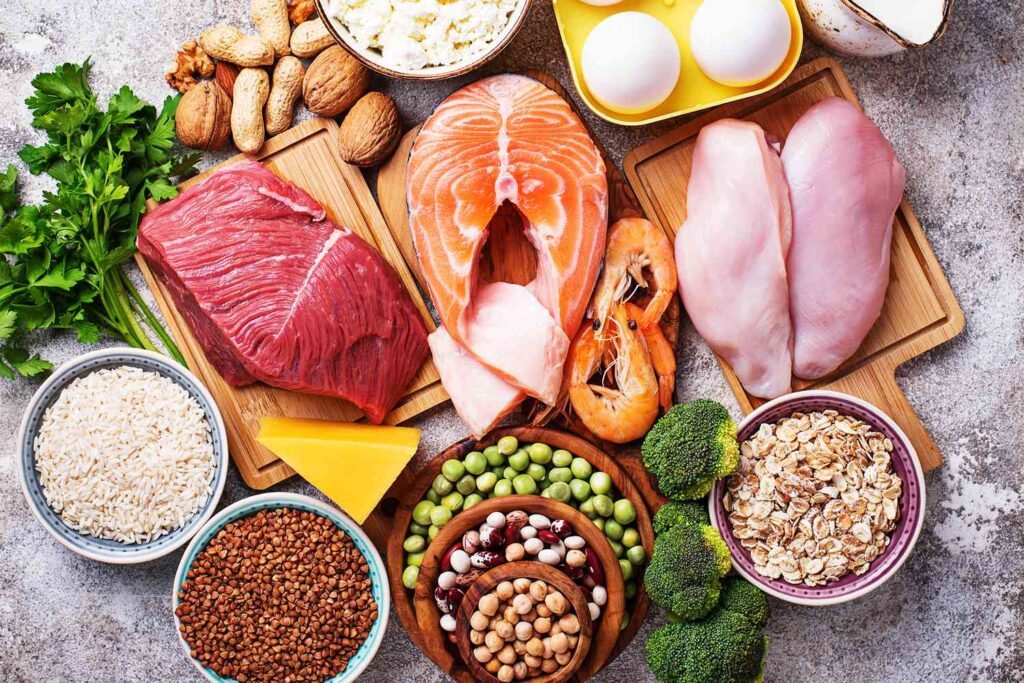
Lean meats such as chicken, turkey, and pork are excellent sources of high-quality protein. They are also rich in essential vitamins and minerals, such as iron and zinc. Opt for skinless poultry to keep fat intake in check and ensure you’re getting the most protein per calorie.
2. Fish and Seafood
Fish and seafood are not only high in protein but also rich in omega-3 fatty acids, which are beneficial for heart health. Salmon, tuna, and sardines are particularly good choices. Regular consumption of fish is associated with improved cardiovascular health, cognitive function, and reduced inflammation.
3. Eggs
Eggs are one of the most nutritious foods available, providing a complete source of protein with all nine essential amino acids. They are also rich in vitamins and minerals, including choline, which is important for brain health. For those concerned about cholesterol, it’s worth noting that moderate egg consumption is generally considered safe for most people.
4. Dairy Products
Dairy products like milk, cheese, and yogurt are excellent sources of protein and are also rich in calcium, which is vital for bone health. Greek yogurt, in particular, is a high-protein option that can be incorporated into meals and snacks.
Top Plant-Based Protein Sources
1. Legumes
Legumes, including beans, lentils, and chickpeas, are not only protein-rich but also high in fiber, making them a great choice for digestive health. They are versatile and can be added to salads, soups, and stews or enjoyed as a standalone side dish.
2. Nuts and Seeds
Nuts and seeds, such as almonds, walnuts, chia seeds, and flaxseeds, are packed with protein, healthy fats, and essential nutrients. They make for convenient snacks and can be added to oatmeal, yogurt, or smoothies for an added protein boost.
3. Tofu and Tempeh
Tofu and tempeh are soy-based proteins that serve as excellent meat alternatives. They are highly versatile and can be grilled, sautéed, or added to a variety of dishes. Both options are also rich in calcium and iron.
4. Quinoa
Quinoa is a unique plant-based protein source as it contains all nine essential amino acids, making it a complete protein. It is also high in fiber, magnesium, and a host of other nutrients. Quinoa can be used as a base for salads, side dishes, or even breakfast porridge.
Incorporating Protein-Rich Foods into Your Diet
Integrating protein-rich foods into your daily meals doesn’t have to be complicated. Here are a few tips to help you get started:
- Plan Your Meals: Consider including a source of protein in every meal. This could be eggs or Greek yogurt for breakfast, a salad with grilled chicken for lunch, or a bean-based chili for dinner.
- Snack Wisely: Opt for protein-rich snacks like a handful of nuts, a protein smoothie, or hummus with vegetables.
- Balance Your Plate: Combine protein with healthy fats and carbohydrates to ensure a balanced and satisfying meal. This approach can help regulate blood sugar levels and keep you feeling full longer.
- Experiment with Plant-Based Proteins: Even if you consume animal products, incorporating plant-based proteins can diversify your nutrient intake and benefit your health.
The Role of Protein in Different Diets
Different dietary patterns may emphasize varying levels of protein intake. Here’s how protein plays a role in a few popular diets:
Keto and Low-Carb Diets
These diets often focus on high protein and fat intake while minimizing carbohydrates. Protein helps maintain muscle mass while the body shifts to burning fat for fuel. Quality protein sources like meat, fish, eggs, and cheese are staples in these diets.
Vegetarian and Vegan Diets
Plant-based diets can adequately provide protein through a variety of sources. Combining different plant proteins, such as grains and legumes, can ensure a complete amino acid profile.
High-Protein Diets for Athletes
Athletes often require more protein to support muscle repair and growth. Protein shakes and bars can be convenient options, but whole-food sources should remain the foundation of an athlete’s diet.
Conclusion
Protein is an indispensable component of a healthy diet, supporting numerous bodily functions and contributing to overall well-being. By incorporating a variety of protein-rich foods, both animal and plant-based, you can ensure that you meet your nutritional needs and support optimal health. Remember, a balanced diet is key, so pair protein with a range of other nutrients for the best results. Whether you’re seeking muscle growth, weight management, or simply better health, prioritizing protein in your diet is a step in the right direction.
#ChatGPT assisted in the creation of this article.