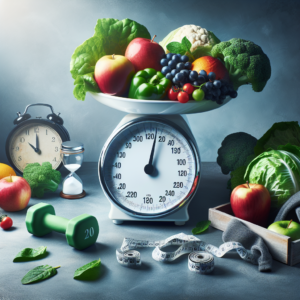
In the quest for weight loss, many people immediately think of rigorous exercise regimens as the primary solution. While physical activity is undeniably beneficial for overall health, it isn’t the only path to shedding pounds. In fact, there are effective strategies for weight loss that do not involve exercise. This article unveils some of these secrets, emphasizing the role of diet, lifestyle changes, and other methods that can help you achieve your weight loss goals without hitting the gym.
Understanding Weight Loss
Before diving into the methods, it’s essential to understand the basic principle of weight loss: calorie deficit. To lose weight, you need to consume fewer calories than your body uses. This can be achieved by either reducing calorie intake, increasing physical activity, or a combination of both. For those who prefer not to exercise, focusing on dietary adjustments and lifestyle changes becomes crucial.
Mindful Eating
What is Mindful Eating?
Mindful eating involves paying full attention to the experience of eating and drinking, both inside and outside the body. This practice encourages awareness of hunger and fullness cues, leading to more thoughtful choices and avoidance of overeating.
Benefits of Mindful Eating
- Helps recognize true hunger signals and prevents unnecessary snacking.
- Encourages slower eating, which can aid digestion and promote satisfaction with smaller portions.
- Fosters a healthier relationship with food, reducing emotional eating.
Portion Control
Understanding Portion Sizes
Portion control is one of the most straightforward yet effective strategies for weight loss. By reducing the size of your servings, you can significantly cut down on calorie intake without feeling deprived.
Practical Tips for Portion Control
- Use smaller plates and bowls to trick your brain into feeling full with less food.
- Start meals with a glass of water or a salad to curb hunger.
- Measure out snacks instead of eating directly from the bag or container.
Focus on Nutrient-Dense Foods
What Are Nutrient-Dense Foods?
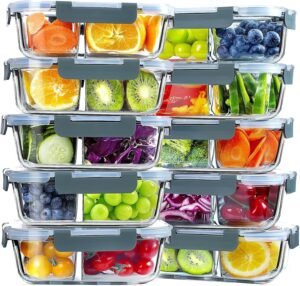
Nutrient-dense foods are those that provide a lot of nutrients and relatively few calories. They are rich in vitamins, minerals, and other essential nutrients, making them a crucial part of a healthy diet.
Examples of Nutrient-Dense Foods
- Fruits and vegetables
- Whole grains
- Lean proteins such as chicken, fish, and legumes
Benefits of Eating Nutrient-Dense Foods
- Helps maintain energy levels while reducing calorie intake.
- Supports overall health and well-being.
- Promotes satiety, helping to control hunger and reduce snacking.
Stay Hydrated
Importance of Hydration
Water plays a critical role in weight loss. It can boost metabolism, cleanse your body of waste, and act as an appetite suppressant.
Hydration Tips for Weight Loss
- Drink a glass of water before meals to help control appetite.
- Replace sugary drinks and sodas with water or herbal teas.
- Carry a water bottle to ensure you stay hydrated throughout the day.
Improve Sleep Quality
The Sleep-Weight Connection
Quality sleep is often overlooked but is essential for weight management. Poor sleep can disrupt hormones that regulate appetite, leading to increased hunger and cravings.
Tips for Better Sleep
- Establish a regular sleep schedule by going to bed and waking up at the same time each day.
- Create a relaxing bedtime routine to signal your body it’s time to wind down.
- Limit exposure to screens and bright lights before bedtime.
Manage Stress Levels
Stress and Weight Gain
Chronic stress can lead to weight gain through increased appetite and cravings for unhealthy foods. Managing stress is crucial in preventing these effects.
Stress Management Techniques
- Practice relaxation techniques such as meditation, yoga, or deep breathing exercises.
- Engage in activities you enjoy and make time for self-care.
- Connect with friends and family for support and companionship.
Limit Processed Foods and Sugar
The Impact of Processed Foods
Processed foods are often high in added sugars, unhealthy fats, and sodium, which can contribute to weight gain and other health issues.
Strategies to Reduce Processed Food Intake
- Prepare meals at home using fresh, whole ingredients.
- Read labels and choose products with minimal ingredients and no added sugars.
- Opt for natural snacks like fruits, nuts, and yogurt instead of packaged snacks.
Conclusion
While exercise is a valuable component of a healthy lifestyle, it is not the only avenue for achieving weight loss. By focusing on mindful eating, portion control, nutrient-dense foods, hydration, sleep, stress management, and limiting processed foods, you can effectively shed pounds without stepping into a gym. Remember, the key to successful weight loss is consistency and making sustainable lifestyle changes that you can maintain in the long term. With dedication and the right strategies, you can reach your weight loss goals and enjoy improved health and well-being.