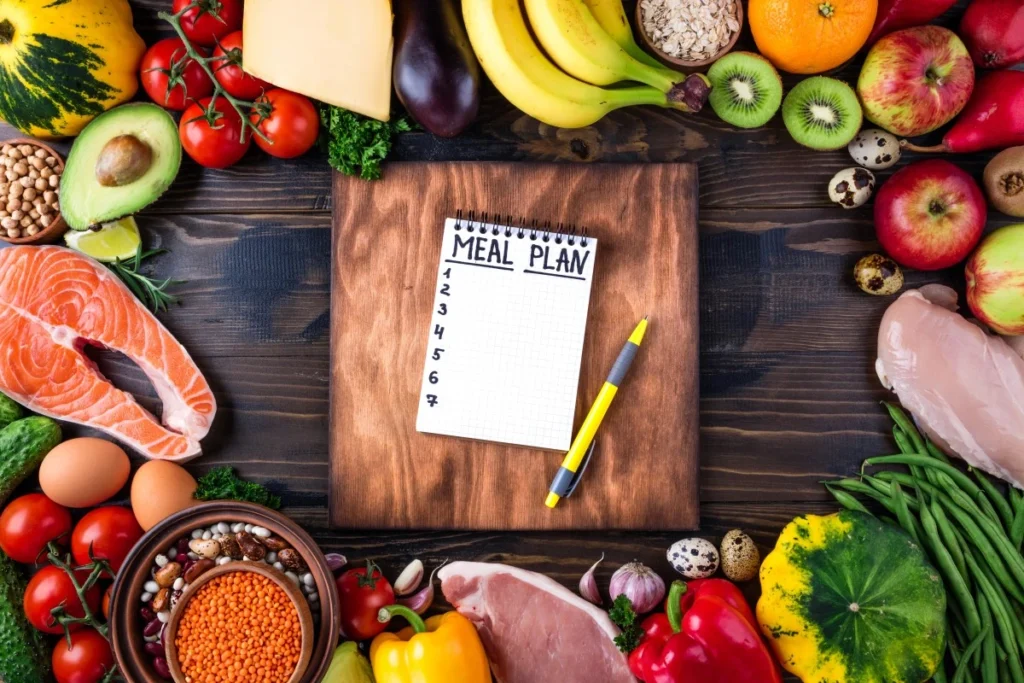
In today’s busy world, finding time to prepare healthy and delicious meals can be a daunting task. With work, family, and social commitments, dinner often becomes a quick afterthought rather than a well-planned meal. Effortless meal planning can transform your weekly dinners from stressful to seamless, ensuring you and your family enjoy nutritious and satisfying meals without the hassle. This article will guide you through the process of simplifying your meal planning, offering practical tips, recipe suggestions, and organizational strategies that make dinner time a breeze.
The Benefits of Meal Planning
Meal planning offers numerous benefits beyond just saving time. It can help reduce food waste, save money, and promote healthier eating habits. By planning your meals in advance, you can make more informed choices about the foods you consume, ensuring a balanced diet. Additionally, having a meal plan reduces the stress of last-minute dinner decisions and helps you avoid the temptation of unhealthy takeout options.
Getting Started with Meal Planning
Assess Your Weekly Schedule
The first step in successful meal planning is understanding your weekly schedule. Identify the days you have more time for cooking and the days you need quick and easy meals. Consider family activities, work commitments, and any other events that might impact your dinner plans. This will help you determine how many meals you need to plan for and what types of recipes to choose.
Create a Master Recipe List
Having a go-to list of favorite recipes can streamline your meal planning process. Compile a collection of recipes that are quick, easy, and enjoyed by your family. Include a variety of cuisines and meal types to keep things interesting. Keep this list handy for when you’re planning your weekly meals.
Plan Your Meals
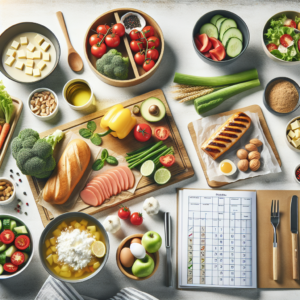
Once you have a clear understanding of your schedule and a list of recipes, it’s time to plan your meals. Start by choosing meals for each day of the week, considering your time constraints and dietary needs. Be sure to incorporate a balance of proteins, carbohydrates, and vegetables into your plan. Aim to introduce one or two new recipes each week to keep things exciting and expand your culinary repertoire.
Create a Shopping List
After your meals are planned, create a comprehensive shopping list. Organize the list by categories such as produce, dairy, meats, and pantry staples to make your grocery shopping more efficient. Having a detailed list helps you avoid impulse purchases and ensures you have all the necessary ingredients for your planned meals.
Effortless Meal Prep Strategies
Batch Cooking
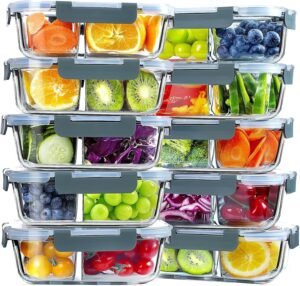
Batch cooking involves preparing large quantities of food at once and storing them for later use. Dedicate a few hours on a weekend or a day off to cook and portion meals for the week ahead. Soups, stews, casseroles, and grain dishes are ideal for batch cooking. Store them in airtight containers in the refrigerator or freezer, ready to be reheated whenever needed.
Pre-Chopping Ingredients
Spend some time at the beginning of the week washing, peeling, and chopping vegetables, and marinating meats. Store these prepped ingredients in airtight containers or zip-lock bags. This preparation saves time on busy weeknights, allowing you to assemble meals quickly and effortlessly.
Utilize Kitchen Gadgets
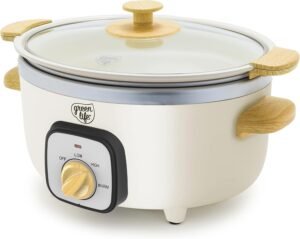
Make use of kitchen appliances like slow cookers, pressure cookers, and instant pots. These gadgets can drastically cut down cooking time and effort. For instance, a slow cooker can be used to prepare a hearty stew overnight or while you’re at work, ready to serve when you get home.
Recipe Suggestions for Effortless Dinners
One-Pot Pasta Primavera
This dish is a vibrant and easy-to-make meal that requires minimal cleanup. Simply toss your favorite vegetables, such as bell peppers, zucchini, and cherry tomatoes, with pasta, olive oil, and herbs in a single pot. Cook until the pasta is al dente and the vegetables are tender. Top with grated Parmesan cheese for added flavor.
Sheet Pan Chicken Fajitas
Sheet pan meals are perfect for busy weeknights. Combine sliced chicken breast, bell peppers, and onions with fajita seasoning on a baking sheet. Roast in the oven until the chicken is cooked through. Serve with warm tortillas, salsa, and guacamole for a delicious, no-fuss dinner.
Quinoa and Black Bean Salad
For a light yet filling meal, try a quinoa and black bean salad. Cook quinoa according to package instructions and let it cool. Mix with canned black beans, corn, diced tomatoes, avocado, and cilantro. Dress with lime juice and olive oil for a refreshing and nutritious dinner option.
Conclusion
Effortless meal planning is about making small, manageable changes that simplify your weekly dinners. By planning ahead, utilizing smart cooking techniques, and keeping a repertoire of easy recipes, you can take the stress out of cooking and enjoy more time with your family. Remember that meal planning is flexible, and it’s okay to adjust your plan as needed. With practice, you’ll find a rhythm that works for you, making dinner time an enjoyable and stress-free experience.
Final Tips
Don’t be afraid to experiment with new recipes and flavors. Meal planning is an opportunity to discover new dishes and ingredients. Involve your family in the planning process, allowing them to choose meals they’d like to try. This not only makes dinner more enjoyable for everyone but also encourages kids to eat healthier by being part of the decision-making process.
Remember, the goal of meal planning is to simplify your life, not to add stress. Start small, and gradually incorporate more planning into your routine. With time, you’ll find that effortless meal planning not only improves your dinners but also enhances your overall quality of life.