Introduction
In the quest for optimal health, fiber often stands out as a key component of a nutritious diet. Despite its importance, many people still fall short of the recommended daily intake of fiber. This article explores the benefits of fiber, highlights top fiber-rich foods, and provides guidance on how to incorporate these foods into your daily diet. By understanding and utilizing fiber-rich foods, you can boost your health in numerous ways.
Understanding Fiber and Its Benefits
Fiber is a type of carbohydrate that the body cannot digest. It comes in two forms: soluble fiber, which dissolves in water, and insoluble fiber, which does not. Both types play vital roles in maintaining health.
Soluble Fiber
Soluble fiber dissolves in water to form a gel-like substance. It can help lower blood cholesterol and glucose levels. Foods rich in soluble fiber include oats, peas, beans, apples, and citrus fruits.
Insoluble Fiber
Insoluble fiber helps move material through your digestive system and increases stool bulk, beneficial for those who struggle with constipation or irregular stools. Whole-wheat flour, wheat bran, nuts, beans, and vegetables such as cauliflower, green beans, and potatoes are good sources of insoluble fiber.
Health Benefits of Fiber
1. **Digestive Health**: Fiber normalizes bowel movements by increasing stool weight and size, and softening it. A bulky stool is easier to pass, decreasing chances of constipation. It may also relieve and prevent hemorrhoids and diverticulosis.
2. **Heart Health**: Soluble fiber can help lower total blood cholesterol levels by lowering low-density lipoprotein, or “bad” cholesterol levels. Research also suggests high-fiber foods may have other heart-health benefits, such as reducing blood pressure and inflammation.
3. **Blood Sugar Control**: In people with diabetes, fiber, particularly soluble fiber, can slow the absorption of sugar and help improve blood sugar levels. A diet that includes insoluble fiber has been associated with a reduced risk of developing type 2 diabetes.
4. **Healthy Weight Management**: High-fiber foods are more filling than low-fiber foods, so you’re likely to eat less and stay satisfied longer. High-fiber foods also tend to take longer to eat and to be less “energy dense,” which means they have fewer calories for the same volume of food.
Top Fiber-Rich Foods
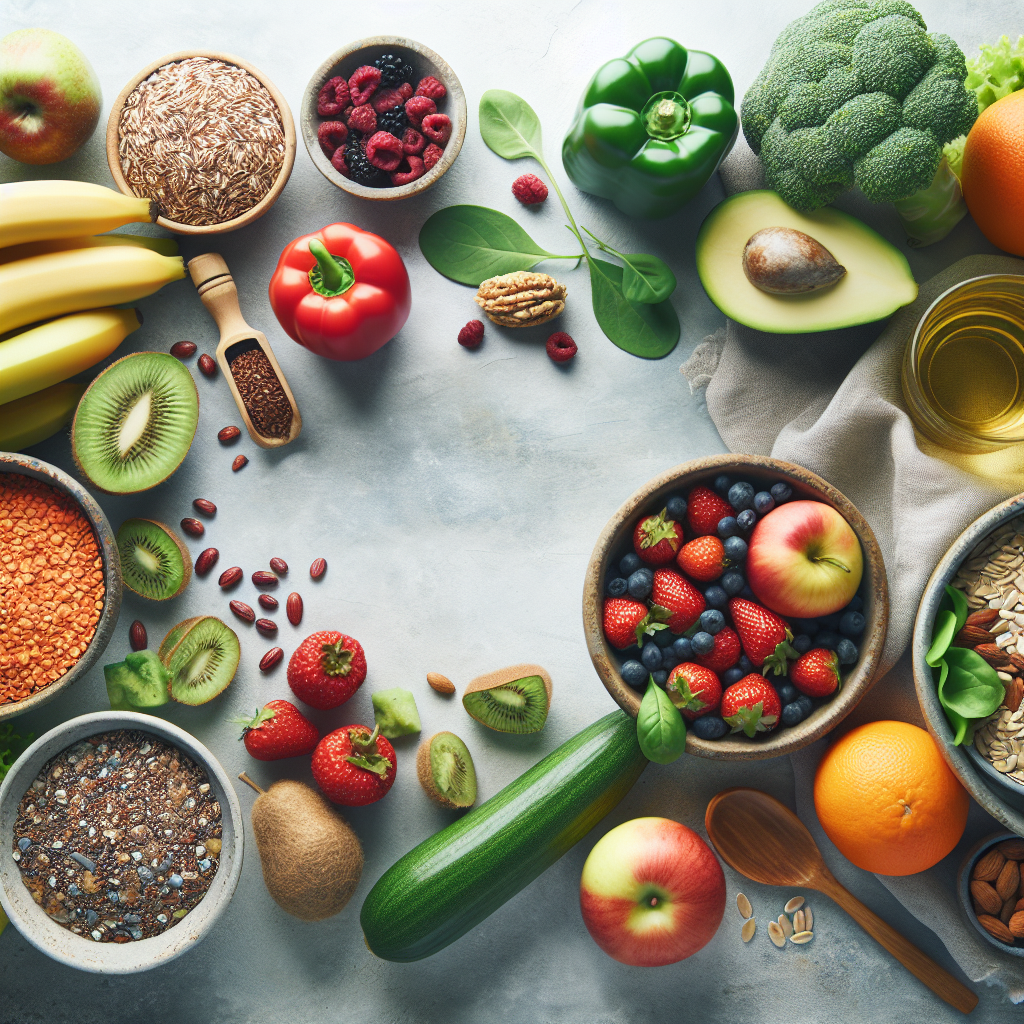
To ensure you’re getting enough fiber, it is important to include a variety of fiber-rich foods in your diet. Here are some of the top sources of fiber:
Legumes
Beans, lentils, and peas are excellent sources of fiber. Just one cup of cooked lentils contains about 15.6 grams of fiber. Black beans and chickpeas are also fiber powerhouses, with about 15 grams per cup.
Fruits
Fruits are not only delicious but also a great source of fiber. Raspberries and blackberries lead the pack with about 8 grams per cup. Pears, apples (with skin), and bananas are also good options.
Vegetables
Vegetables are essential in any fiber-focused diet. Artichokes are particularly high in fiber, providing about 10 grams per medium-sized artichoke. Broccoli, Brussels sprouts, and carrots also offer a good amount of fiber.
Whole Grains
Whole grains are a staple in a fiber-rich diet. Foods like oats, barley, and whole wheat bread are excellent choices. A cup of cooked quinoa provides about 5 grams of fiber, while a slice of whole wheat bread offers around 2 grams.
Nuts and Seeds
Almonds, chia seeds, and flaxseeds are wonderful sources of fiber. Just two tablespoons of chia seeds contain about 10 grams of fiber, while almonds offer about 3.5 grams per ounce.
Incorporating Fiber into Your Diet
Increasing fiber intake doesn’t have to be daunting. Here are some practical tips to help you incorporate more fiber into your meals:
Start Your Day Right
Begin the day with a high-fiber breakfast. Consider oatmeal topped with berries and nuts or a whole-grain cereal. Both options will give you a good dose of fiber to start your day.
Snack Smart
Choose fruits, vegetables, and nuts for snacks. Keep a bowl of fresh fruit on the kitchen counter or a bag of baby carrots or almonds in your bag for a quick fiber boost.
Make Simple Swaps
Switch from white bread and pasta to whole grain versions. Use brown rice instead of white rice, and try quinoa or barley in salads and side dishes.
Go Meatless
Incorporate more plant-based meals into your diet. Aim for at least one meatless meal a week featuring beans or lentils as the main protein source.
Stay Hydrated
As you increase your fiber intake, it’s important to drink plenty of water. Fiber works best when it absorbs water, helping to soften stool and promote regular bowel movements.
Conclusion
Incorporating more fiber into your diet is a simple yet effective way to boost your overall health. By understanding the benefits of fiber and choosing foods that are rich in this essential nutrient, you can improve digestion, heart health, blood sugar control, and weight management. Start today by adding a variety of fiber-rich foods to your meals, and enjoy the myriad health benefits they offer.
#ChatGPT assisted in the creation of this article.