Introduction
Digestive health is a cornerstone of overall well-being. A smoothly operating digestive system not only ensures that our bodies extract essential nutrients from the food we consume but also plays a central role in maintaining a robust immune system and a balanced mood. In our modern world, characterized by stress and often suboptimal dietary choices, digestive issues have become increasingly common. Fortunately, by adopting certain dietary habits, you can significantly enhance your digestive health. This article delves into effective diet tips to boost your digestive system, helping you to feel your best every day.
Understanding Digestion
Digestion is a complex process that begins in the mouth and ends in the intestines. It involves the breakdown of food into nutrients, which the body then uses for energy, growth, and cell repair. Digestive health depends on the harmonious functioning of several organs, including the stomach, liver, pancreas, and intestines. Any disruption in this process can lead to digestive issues such as bloating, constipation, diarrhea, and heartburn. Understanding the basics of digestion helps in identifying dietary measures that can support and enhance this vital bodily function.
Fiber: The Digestive System’s Best Friend
Fiber is crucial for maintaining optimal digestive health. It adds bulk to the stool, making it easier to pass and preventing constipation. There are two types of dietary fiber: soluble and insoluble. Soluble fiber, found in oats, apples, and legumes, dissolves in water and forms a gel-like substance that aids in digestion. Insoluble fiber, found in whole grains, nuts, and vegetables, adds bulk to the stool and helps food pass more quickly through the stomach and intestines.
Incorporate Whole Grains
Whole grains like brown rice, quinoa, and whole wheat bread are excellent sources of insoluble fiber. Unlike refined grains, whole grains retain their bran and germ, which are packed with nutrients and fiber. By choosing whole grains over refined options, you can significantly boost your dietary fiber intake.
Load Up on Fruits and Vegetables
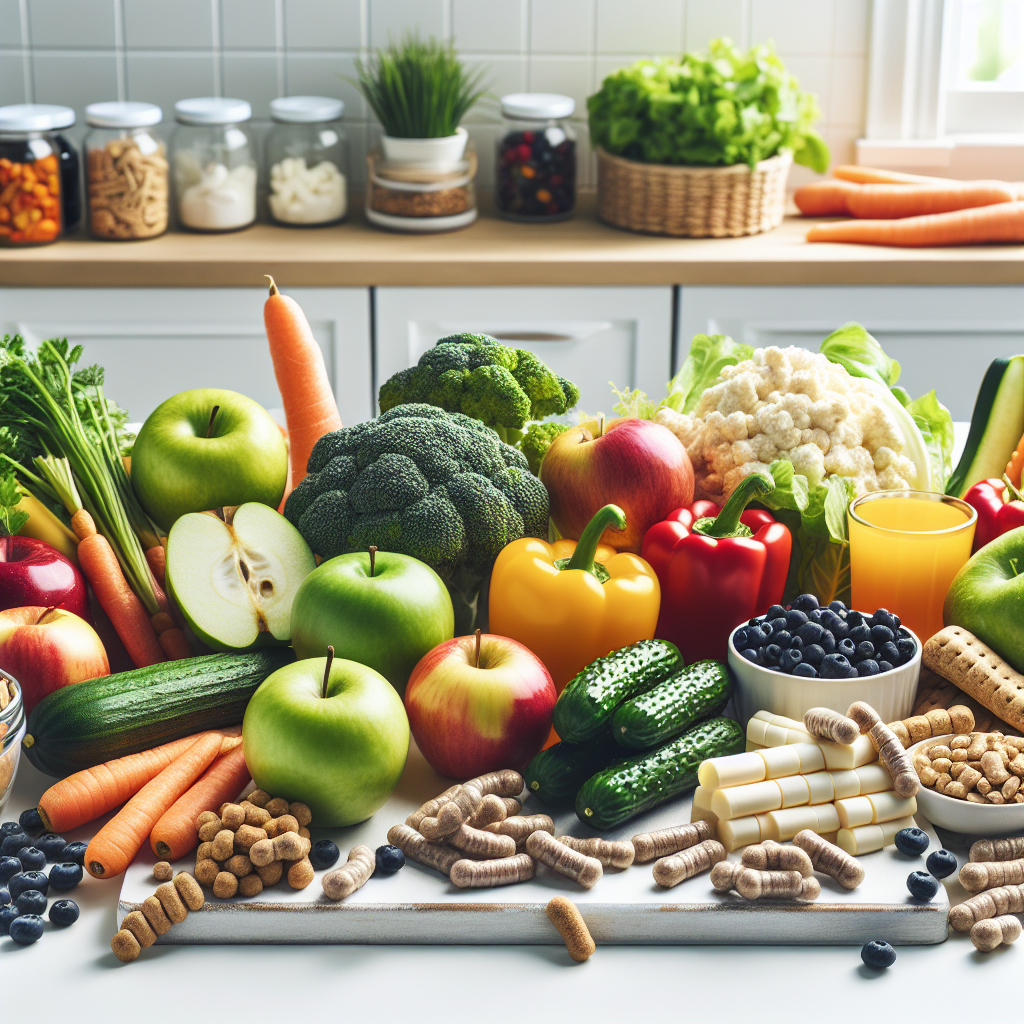
Fruits and vegetables are not only rich in vitamins and minerals but also in fiber. Aim to include a variety of colors and types in your meals to ensure a balanced intake of different nutrients. Berries, pears, carrots, and broccoli are particularly high in fiber and beneficial for digestive health.
Stay Hydrated
Water plays a critical role in digestion by helping to dissolve nutrients and allowing them to pass into the bloodstream. Adequate hydration also keeps the digestive tract lubricated and supports the movement of waste through the intestines. Aim to drink at least eight glasses of water a day, and consider increasing your intake if you consume a high-fiber diet, as fiber absorbs water.
Probiotics and Prebiotics: Balancing the Gut Microbiota
The gut microbiota is a complex community of microorganisms living in the intestines, playing a crucial role in digestion and overall health. Probiotics are live beneficial bacteria found in fermented foods like yogurt, kefir, sauerkraut, and kimchi. They help maintain a healthy balance of gut bacteria, which can improve digestion and boost the immune system.
Incorporate Probiotic-Rich Foods
Adding probiotic-rich foods to your diet can help restore and maintain a healthy gut microbiota balance. Yogurt with live cultures, kefir, and fermented vegetables are easy and delicious ways to consume probiotics regularly.
Feed Your Gut with Prebiotics
Prebiotics are non-digestible fibers that feed the beneficial bacteria in the gut. Foods rich in prebiotics include garlic, onions, leeks, asparagus, and bananas. By including these foods in your diet, you can support the growth and activity of healthy gut bacteria.
Mindful Eating: Slow Down and Chew Thoroughly
In our fast-paced world, eating has become a rushed activity, often leading to poor digestion. Mindful eating involves paying attention to the eating experience, savoring each bite, and chewing thoroughly. This practice can significantly aid in digestion by allowing the digestive enzymes in saliva to begin breaking down food in the mouth.
Chew Your Food Slowly
Taking the time to chew food thoroughly can make a big difference in digestion. Chewing breaks down food into smaller particles, making it easier for the stomach to process and for nutrients to be absorbed.
Listen to Your Body
Mindful eating also involves listening to your body’s hunger and fullness cues. Eating only when you’re hungry and stopping when you’re satisfied can prevent overeating and reduce the risk of digestive discomfort.
Limit Processed Foods and Sugar
Processed foods and high sugar intake can disrupt the balance of gut bacteria, leading to digestive issues. These foods often contain additives and preservatives that can irritate the digestive tract. By reducing your intake of processed foods and sugars, you can support a healthier digestive system.
Choose Whole, Unprocessed Foods
Opt for whole, unprocessed foods whenever possible. Fresh fruits, vegetables, lean proteins, and whole grains provide essential nutrients without the added chemicals found in processed foods.
Moderate Sugar Intake
High sugar consumption can lead to an overgrowth of harmful bacteria in the gut. To maintain a healthy balance, limit sugary drinks, sweets, and snacks, and choose natural sweeteners like honey or maple syrup in moderation.
Regular Exercise and Its Impact on Digestion
Physical activity is not just good for your heart and muscles; it also promotes healthy digestion. Exercise stimulates the muscles in the intestines, helping to move food through the digestive system more efficiently. Regular physical activity can also help manage stress, which is a known contributor to digestive issues.
Incorporate Regular Physical Activity
Aim for at least 30 minutes of moderate exercise most days of the week. Activities like walking, cycling, or yoga can improve digestion and overall health.
Practice Stress-Reduction Techniques
Stress can significantly impact digestion by altering gut motility and increasing inflammation. Incorporating stress-reduction techniques such as meditation, deep breathing, or gentle yoga can support digestive health.
Conclusion
Maintaining optimal digestive health is essential for overall well-being and can be achieved through mindful dietary choices and lifestyle habits. By incorporating fiber-rich foods, staying hydrated, consuming probiotics and prebiotics, practicing mindful eating, limiting processed foods, and engaging in regular physical activity, you can support and enhance your digestive system. These changes not only improve digestion but also contribute to better health and vitality. Embrace these tips to boost your digestive health and enjoy a life of wellness and energy.
#ChatGPT assisted in the creation of this article.