Introduction
In today’s fast-paced world, maintaining a healthy lifestyle can often seem like a daunting task. Juggling work, family, and personal commitments often leaves us with little time to focus on our nutrition. However, the cornerstone of a balanced lifestyle is a well-thought-out meal plan that not only saves time and money but also enhances overall health. This article explores how easy meal planning can transform your health, providing you with practical tips and strategies for success.
The Importance of Meal Planning
Meal planning is more than just deciding what to eat each day; it’s a strategic approach to nutrition that ensures a balanced intake of nutrients, reduces food waste, and minimizes the stress of last-minute cooking decisions. By planning your meals, you can control portion sizes, choose healthier ingredients, and avoid the temptation of fast food. Moreover, meal planning can help you meet specific dietary goals, whether they’re related to weight management, muscle gain, or simply maintaining a balanced diet.
Benefits of Meal Planning
Improved Nutritional Intake
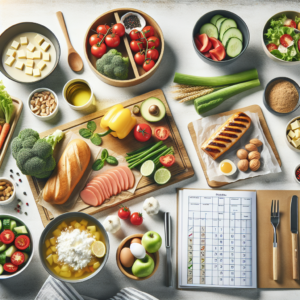
When you plan your meals, you have the ability to ensure a diverse and balanced diet. By consciously including a variety of fruits, vegetables, lean proteins, and whole grains, you can provide your body with the essential nutrients it needs to function optimally. This deliberate approach to nutrition can lead to improved energy levels, better digestion, and overall enhanced well-being.
Time Efficiency
One of the biggest advantages of meal planning is the time it saves. By dedicating a few hours at the beginning of the week to planning and preparing meals, you can significantly reduce the daily stress of deciding what to eat. With a meal plan in place, you can streamline grocery shopping, reduce the frequency of trips to the store, and minimize time spent cooking throughout the week.
Cost Savings
Meal planning can also have a positive impact on your wallet. By creating a shopping list based on your meal plan, you can avoid impulse purchases and reduce food waste. Cooking at home is generally more cost-effective than dining out, and with a plan in place, you’re less likely to resort to expensive takeout options. Over time, these savings can add up significantly.
Reduced Stress
Knowing what you’ll be eating each day takes the guesswork out of meal times and reduces decision fatigue. This can lead to less stress and anxiety surrounding food, as you have a clear plan to follow. Additionally, meal planning allows for flexibility, enabling you to adjust meals based on your schedule and preferences, further reducing the pressure associated with meal preparation.
Steps to Effective Meal Planning
Assess Your Dietary Needs
Begin by evaluating your current dietary habits and identifying areas for improvement. Consider any dietary restrictions, allergies, or health goals you may have. Understanding your nutritional needs will help you create a meal plan that supports your health objectives.
Plan Your Meals
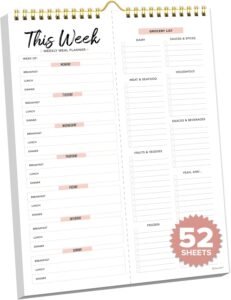
Start by mapping out your meals for the week, including breakfast, lunch, dinner, and snacks. Aim for a balanced combination of macronutrients and include a variety of foods to keep your meals interesting and nutritious. Utilize online resources, cookbooks, or meal planning apps to find recipes that align with your goals.
Create a Shopping List
Once your meal plan is set, create a shopping list based on the ingredients you’ll need. Organize your list by sections of the grocery store to make shopping more efficient. Stick to the list to avoid unnecessary purchases and ensure you have everything you need for the week.
Prep and Cook in Batches
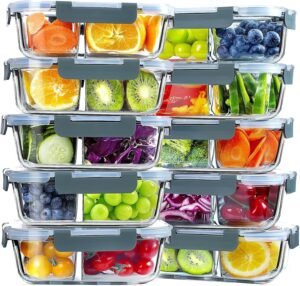
Set aside time for meal prep, ideally on a day when you have a few hours to spare. Batch cooking can save significant time during the week. Prepare components that can be used in multiple meals, such as grains, proteins, and roasted vegetables. Store these prepped ingredients in the refrigerator or freezer for easy access.
Stay Flexible
While having a plan is important, it’s equally crucial to remain flexible. Life can be unpredictable, and plans may need to be adjusted. Keep quick, healthy options on hand, such as canned beans or frozen vegetables, for times when your meal plan needs a tweak.
Tips for Successful Meal Planning
Start Small
If you’re new to meal planning, start with planning just a few meals each week and gradually increase as you become more comfortable. This approach prevents overwhelm and allows you to build confidence in your planning skills.
Involve the Whole Family
Engage your family in the meal planning process by asking for their input and preferences. This not only makes meal planning more enjoyable but also ensures everyone looks forward to the meals.
Keep a Recipe Collection
Maintain a collection of recipes that you and your family enjoy. Having a go-to list of meals can make planning faster and easier, and ensure you’re never short of ideas.
Use Technology
Leverage technology by using meal planning apps and websites that offer a plethora of recipes and planning tools. These resources can simplify the process and provide inspiration when you’re running low on ideas.
Conclusion
Transforming your health through easy meal planning is a practical and attainable goal. By taking control of your nutrition, you can improve your well-being, save time and money, and reduce stress. Remember, meal planning is not about perfection but rather creating a sustainable routine that fits your lifestyle. Start small, stay flexible, and enjoy the benefits of a well-planned diet that supports your health and wellness goals.
#ChatGPT assisted in the creation of this article.