Introduction
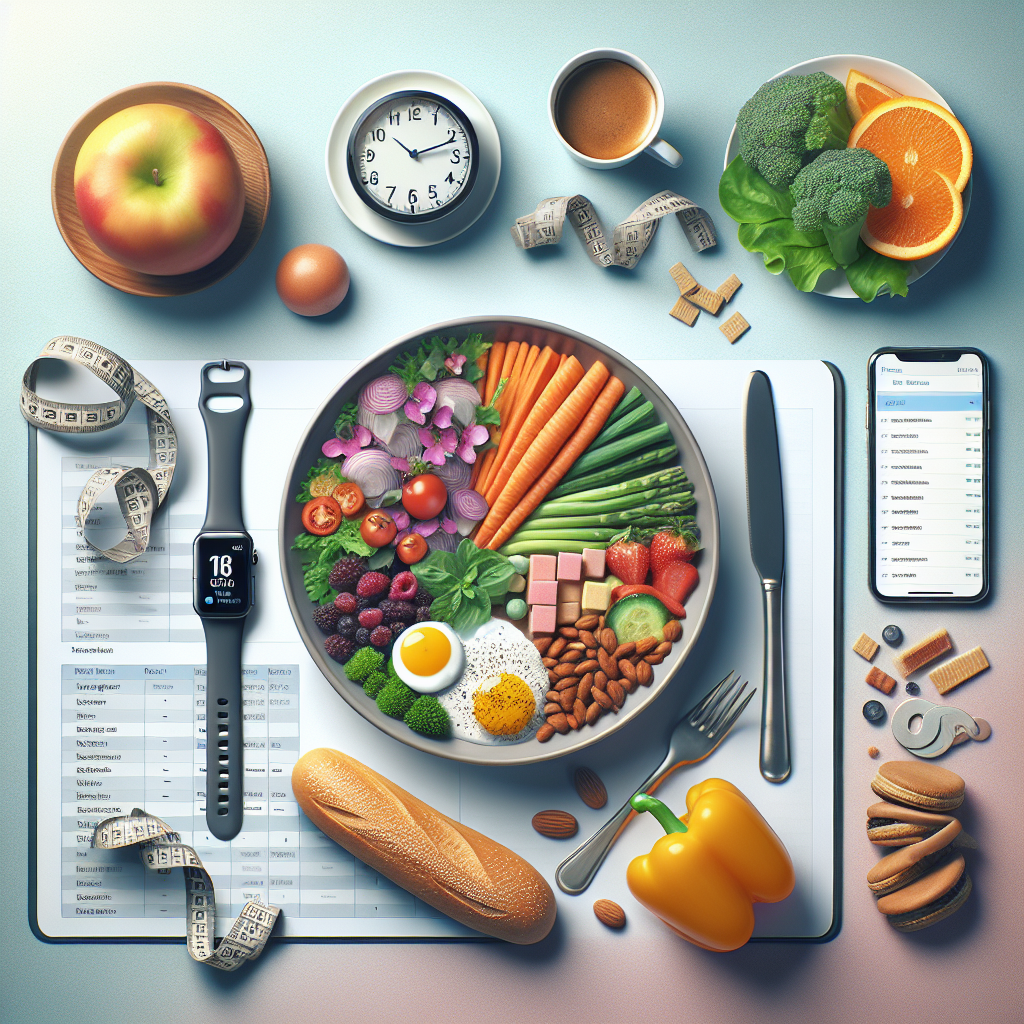
In today’s fast-paced world, maintaining a healthy diet can often feel like a daunting task. Between juggling work commitments, family responsibilities, and social activities, finding time to prepare nutritious meals can seem impossible. However, eating healthily doesn’t have to be a complex or time-consuming endeavor. With a strategic approach, you can incorporate effortless diet plans into your busy lifestyle without sacrificing your health or your schedule.
The Importance of a Balanced Diet
Before diving into specific diet plans, it’s essential to understand why a balanced diet is crucial for overall well-being. A healthy diet provides the necessary nutrients that your body needs to function effectively. It boosts energy levels, improves mental health, and reduces the risk of chronic diseases. For busy individuals, maintaining a balanced diet can enhance productivity, improve mood, and foster a healthier lifestyle.
Understanding Your Nutritional Needs
The foundation of any effective diet plan is understanding your nutritional needs. These needs can vary based on age, gender, activity level, and health goals. Generally, a balanced diet includes a variety of foods from all food groups: fruits, vegetables, whole grains, lean proteins, and healthy fats. It’s important to consume an appropriate number of calories to support your activity level and maintain a healthy weight.
Effortless Diet Plans for Busy Lifestyles
1. Meal Prep and Planning
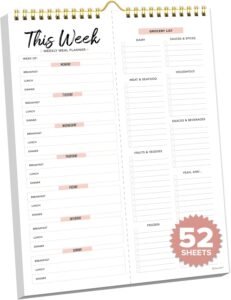
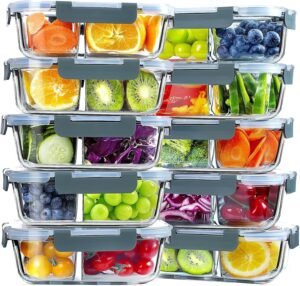
Meal preparation is a game-changer for anyone with a busy schedule. Spend a few hours each week planning and preparing your meals. This can include chopping vegetables, cooking grains, or marinating proteins. Store your pre-prepared foods in portioned containers so you can easily grab and go. This not only saves time but also helps control portion sizes and reduces the temptation to opt for unhealthy convenience foods.
2. One-Pot Meals
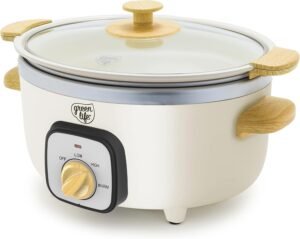
One-pot meals are perfect for busy individuals who want minimal cleanup. These meals can be prepared in a single pot or pan, saving time and energy. Think soups, stews, or stir-fries. By combining protein, vegetables, and grains in one dish, you ensure a balanced meal with minimal effort. Plus, leftovers can be easily stored and reheated for future meals.
3. Smoothies and Shakes
Smoothies and shakes are quick, versatile, and can be packed with nutrients. They are perfect for breakfast or a post-workout snack. Use a base of fruits and vegetables, add a source of protein like yogurt or protein powder, and include healthy fats such as avocado or nuts. Blend all ingredients for a nutritious meal that can be consumed on the go.
4. Use Technology to Your Advantage
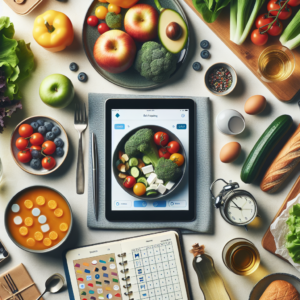
Leverage technology to make your diet planning effortless. Apps like MyFitnessPal or Lose It! can help track your calorie intake and monitor your nutritional goals. Grocery delivery services can save you time by delivering fresh ingredients straight to your door. Additionally, consider using meal kit services, which provide pre-portioned ingredients and recipes, making home-cooked meals more accessible.
5. Incorporate Intermittent Fasting
Intermittent fasting (IF) is an eating pattern that cycles between periods of fasting and eating. It doesn’t dictate what foods you should eat but rather when you should eat them. This can be particularly beneficial for busy individuals as it reduces the number of meals you need to prepare each day. Common methods include the 16/8 method (fasting for 16 hours and eating within an 8-hour window) or the 5:2 method (eating normally for five days and restricting calories for two days).
6. Focus on Nutrient-Dense Foods
Prioritize nutrient-dense foods that provide more nutrients per calorie. Foods like leafy greens, berries, lean meats, and legumes are packed with vitamins and minerals while being low in calories. Incorporating these foods into your diet can ensure you get the necessary nutrients without having to eat large quantities, which is ideal for those with limited time.
7. Simplify Your Grocery List
Creating a simplified grocery list can make shopping quicker and ensure you have all necessary ingredients on hand. Focus on staple items that can be used in multiple dishes, such as eggs, oats, frozen vegetables, and canned beans. This reduces decision fatigue and makes meal preparation more straightforward.
8. Mindful Eating Practices
Even with a busy lifestyle, it’s important to practice mindful eating. This means paying attention to your hunger cues and eating without distraction. When you’re mindful, you’re more likely to enjoy your food and recognize when you’re full, which can prevent overeating. Take a few minutes to appreciate your meal, even if it’s a quick one.
Conclusion
Balancing a busy lifestyle with healthy eating habits may seem challenging, but with the right strategies, it can be effortless. By incorporating meal prep, utilizing technology, and focusing on simple, nutritious meals, you can maintain a balanced diet that fits into your schedule. Remember, the key is to make small, sustainable changes that enhance your overall well-being without adding stress to your life.
Embrace these effortless diet plans and transform the way you approach nutrition, allowing you to thrive in both your personal and professional life.
#ChatGPT assisted in the creation of this article.