Introduction
In today’s fast-paced world, maintaining a healthy diet can often feel like an uphill battle. With the abundance of processed foods and the allure of quick fixes, it’s easy to overlook the benefits of consuming nutrient-dense foods. These powerful foods are not only rich in essential vitamins and minerals but also provide numerous health benefits that can enhance your overall well-being. In this article, we will explore the concept of nutrient-dense foods, their advantages, and how to effectively incorporate them into your diet for optimal health.
Understanding Nutrient Density
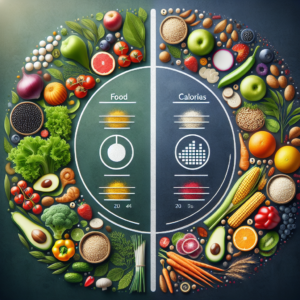
Nutrient density refers to the concentration of essential nutrients in a given food relative to its calorie content. Foods that are considered nutrient-dense contain a high amount of vitamins, minerals, and other beneficial compounds with relatively few calories. This makes them an excellent choice for individuals looking to maximize their nutritional intake without consuming excess calories. The principle behind nutrient-dense eating is simple: choose foods that provide the most nutrients per calorie.
The Benefits of Nutrient-Dense Foods
Weight Management
One of the primary benefits of consuming nutrient-dense foods is their ability to aid in weight management. By focusing on these foods, you can reduce your overall calorie intake while still obtaining the necessary nutrients your body needs. This can lead to more effective weight loss or maintenance without compromising on nutrition.
Improved Overall Health
Nutrient-dense foods are rich in vitamins, minerals, antioxidants, and phytochemicals that support various bodily functions. These nutrients play a crucial role in enhancing immune function, reducing inflammation, and preventing chronic diseases such as heart disease, diabetes, and certain cancers. By incorporating these foods into your diet, you can significantly improve your overall health and longevity.
Enhanced Energy Levels
Consuming nutrient-dense foods can provide a steady source of energy throughout the day. Unlike processed foods that can cause energy spikes and crashes, nutrient-dense foods offer sustained energy due to their balanced macronutrient profile. This can lead to improved productivity, concentration, and overall vitality.
Top Nutrient-Dense Foods to Include in Your Diet
Leafy Greens
Leafy greens such as spinach, kale, and Swiss chard are packed with vitamins A, C, and K, as well as essential minerals like iron and calcium. These greens are low in calories but high in fiber, making them an excellent choice for boosting nutrient intake. Incorporate them into salads, smoothies, or sautéed dishes for a nutrient-rich meal.
Berries
Berries like blueberries, strawberries, and raspberries are not only delicious but also loaded with antioxidants, vitamins, and fiber. They help combat oxidative stress and inflammation, supporting heart health and cognitive function. Enjoy them as a snack, in yogurt, or as a topping for oatmeal.
Nuts and Seeds
Nuts and seeds, including almonds, walnuts, chia seeds, and flaxseeds, are excellent sources of healthy fats, protein, and fiber. They promote heart health, support brain function, and aid in weight management. Sprinkle them on salads, or yogurt, or enjoy them as a standalone snack.
Fatty Fish
Fatty fish such as salmon, mackerel, and sardines are rich in omega-3 fatty acids, which are essential for heart and brain health. These fish also provide high-quality protein and a range of vitamins and minerals. Aim to include fatty fish in your diet at least twice a week for optimal benefits.
Whole Grains
Whole grains like quinoa, brown rice, and oats are excellent sources of fiber, B vitamins, and minerals. They aid in digestion, stabilize blood sugar levels, and provide long-lasting energy. Swap refined grains for whole grains to increase the nutrient density of your meals.
Legumes
Legumes, including beans, lentils, and chickpeas, are rich in plant-based protein, fiber, and essential nutrients. They support digestive health, stabilize blood sugar, and promote satiety. Incorporate them into soups, salads, or stews for a hearty and nutritious meal.
Cruciferous Vegetables
Cruciferous vegetables like broccoli, cauliflower, and Brussels sprouts are known for their cancer-fighting properties and high nutrient content. They are rich in vitamins C, K, and folate, as well as fiber. Roast, steam, or stir-fry them to enjoy their health benefits.
Fermented Foods
Fermented foods such as yogurt, kefir, sauerkraut, and kimchi are rich in probiotics, which support gut health and boost the immune system. Including fermented foods in your diet can enhance digestion, nutrient absorption, and overall well-being.
Tips for Incorporating Nutrient-Dense Foods into Your Diet
Plan Your Meals
Planning your meals in advance can help ensure you include a variety of nutrient-dense foods in your diet. Create a weekly meal plan that incorporates different food groups to maximize nutrient intake.
Focus on Fresh and Whole Foods
Choose fresh, whole foods over processed options whenever possible. Fresh fruits, vegetables, whole grains, and lean proteins should form the foundation of your diet for optimal nutrition.
Experiment with New Recipes
Experimenting with new recipes can make healthy eating more exciting and enjoyable. Try incorporating unfamiliar nutrient-dense foods into your meals to discover new flavors and textures.
Mindful Eating
Practice mindful eating by paying attention to your body’s hunger and fullness cues. This approach can help prevent overeating and ensure you are consuming food for nourishment rather than out of habit.
Stay Hydrated
Hydration is an essential component of a healthy diet. Drink plenty of water throughout the day and consider incorporating herbal teas or infused water for added flavor and nutrients.
Conclusion
Embracing nutrient-dense foods is a powerful way to enhance your diet and improve your overall health. By choosing foods rich in essential vitamins, minerals, and antioxidants, you can support weight management, boost energy levels, and reduce the risk of chronic diseases. Remember to plan your meals, focus on whole foods, and experiment with new recipes to make healthy eating a sustainable and enjoyable part of your lifestyle. As you prioritize nutrient-dense foods, you’ll not only nourish your body but also pave the way for a vibrant and thriving life.
#ChatGPT assisted in the creation of this article.