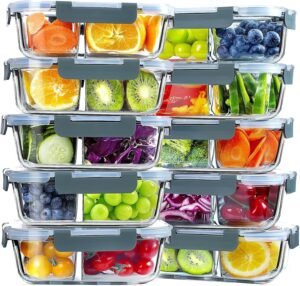

Meal planning is an invaluable tool for anyone looking to simplify their cooking routine, save time, and enjoy nutritious meals without the daily stress of deciding what to eat. Whether you’re a busy professional, a parent juggling multiple responsibilities, or simply someone who wants to optimize their culinary life, meal planning can be a game-changer. Here are some top meal planning hacks that can help make cooking effortless and enjoyable.
Start with a Weekly Plan
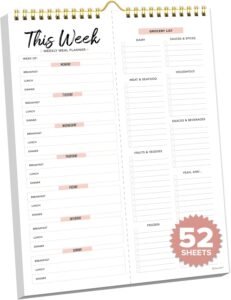
One of the first steps in effective meal planning is to create a weekly plan. Dedicate some time each week to map out your meals. Consider your schedule, dietary needs, and preferences. Planning your meals in advance helps prevent last-minute scrambles and unnecessary trips to the grocery store.
Benefits of a Weekly Plan
Having a weekly plan offers several advantages. It provides structure and ensures you have all the necessary ingredients on hand. It also allows you to diversify your meals, preventing you from falling into a repetitive eating routine.
Batch Cooking
Batch cooking is a powerful technique that saves both time and energy. By preparing larger quantities of food at once, you can store portions for future meals. This method is especially useful for busy weekdays when time is limited.
Batch Cooking Tips
Choose versatile recipes that can be easily adapted into different meals. For instance, a big pot of chili can be served with rice, turned into tacos, or used as a topping for baked potatoes. Invest in quality storage containers to keep your meals fresh and organized.
Prep Ingredients in Advance
Spend some time prepping ingredients in advance to streamline your cooking process. Wash and chop vegetables, marinate proteins, and measure out spices. This prep work can be done on weekends or whenever you have some downtime.
Efficiency in the Kitchen
Prepped ingredients significantly reduce cooking time during the week. It also makes it easier to stick to your meal plan, as everything you need is ready to go. Consider storing prepped ingredients in clear containers so you can easily see what you have available.
Utilize a Rotating Menu
A rotating menu involves having a set of staple meals that you cycle through regularly. This approach minimizes decision fatigue and ensures you always have familiar, reliable recipes to fall back on.
Creating a Rotating Menu
Identify a selection of meals that you and your family enjoy. Incorporate a mix of cuisines and cooking methods to keep things interesting. Over time, you can expand your rotating menu by adding new dishes that fit your tastes and lifestyle.
Embrace Leftovers
Leftovers are a meal planner’s best friend. They not only save time but also reduce food waste. Make it a habit to intentionally cook extra portions and creatively repurpose them for subsequent meals.
Leftover Transformation Ideas
Get creative with your leftovers. Roast chicken can be used in salads, sandwiches, or soups. Cooked vegetables can be added to omelets or stir-fries. By thinking outside the box, you can avoid eating the same meal repeatedly while maximizing the use of your ingredients.
Incorporate Theme Nights
Adding theme nights to your meal plan can make dinner more exciting and provide a framework for decision-making. Examples include Taco Tuesday, Meatless Monday, or Stir-fry Saturday.
Benefits of Theme Nights
Theme nights simplify meal planning by narrowing down recipe options. They also add a fun and predictable element to your weekly routine, which can be particularly enjoyable for families with children.
Make Use of Technology
Technology can be a powerful ally in meal planning. Use apps and online tools to organize your recipes, create shopping lists, and even generate meal plans based on your dietary preferences.
Recommended Tools
Consider using apps like Paprika, Yummly, or Mealime. These tools offer features such as recipe storage, nutritional information, and the ability to scale recipes based on serving sizes. Many apps also sync with your devices, making it easy to access your meal plan on the go.
Stock a Versatile Pantry
A well-stocked pantry is the backbone of meal planning. Keep essential ingredients on hand so you can whip up meals without needing to make a grocery run for every recipe.
Pantry Essentials
Include items like canned beans, grains, pasta, spices, and sauces. These staples can serve as the foundation for countless dishes. Periodically review and replenish your pantry to ensure you have what you need at all times.
Shop Smart
Shopping smartly involves more than just buying what’s on your list. Consider seasonal produce, sales, and bulk-buying options to save money and enhance your meal plan.
Effective Shopping Strategies
Plan your shopping around grocery store sales and seasonal produce. Buying in bulk can also be cost-effective for non-perishable items. Stick to your list to avoid impulse purchases, and always shop with a full stomach to prevent buying unnecessary snacks.
Stay Flexible
While having a plan is important, flexibility is key to effortless cooking. Life can be unpredictable, so be willing to adjust your plan as needed.
Adapting to Change
Keep a few quick and easy meals in your back pocket for those nights when things don’t go as planned. Having frozen meals or ingredients for a simple pasta dish can be a lifesaver. Remember, the goal of meal planning is to make life easier, not to add stress.
Involve the Family
Engage your family in the meal planning process. Not only does this help distribute the workload, but it also ensures everyone has a say in what’s on the menu.
Family Meal Planning Tips
Assign each family member a night to choose a meal or help with preparation. This can be a great way to teach kids about cooking and nutrition. Additionally, involving everyone can lead to more enthusiastic eating and fewer complaints about what’s for dinner.
Conclusion
Meal planning is a powerful strategy that can transform your cooking routine into an effortless and enjoyable experience. By implementing these hacks, you can save time, reduce stress, and enjoy delicious, home-cooked meals every day. Remember, the key to successful meal planning is to find what works best for you and your lifestyle. So, start small, stay flexible, and enjoy the process of becoming a more organized and efficient cook.
#ChatGPT assisted in the creation of this article.