Introduction
In today’s fast-paced world, maintaining a healthy diet can be challenging. With busy schedules, it’s easy to fall into the trap of grabbing quick, unhealthy meals. However, meal prepping can be a game-changer for anyone looking to eat healthier without spending hours in the kitchen every day. This article will explore top meal prep tips that make healthy eating effortless and sustainable.
Understanding Meal Prep
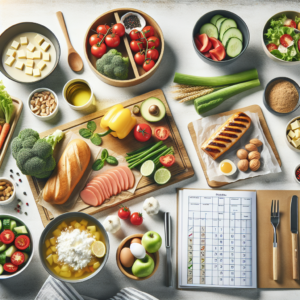
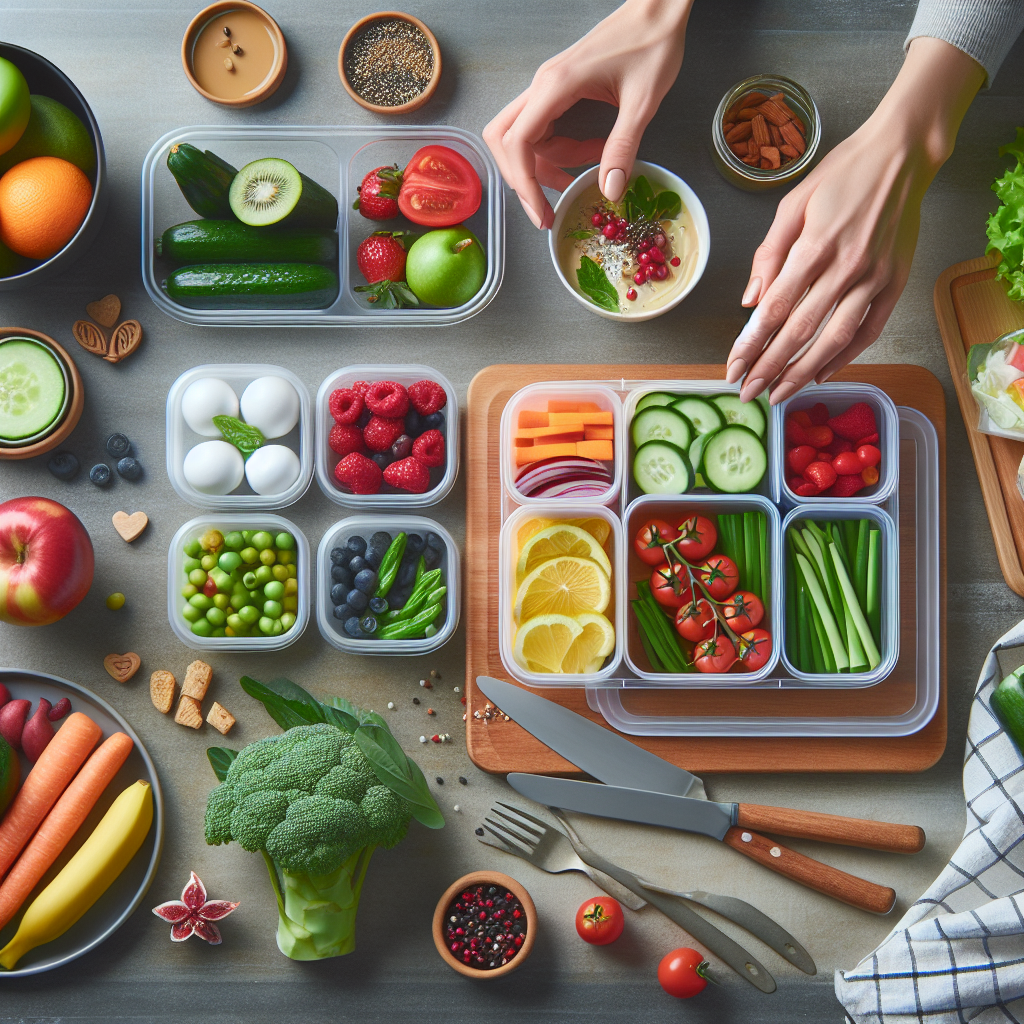
Meal prepping involves preparing meals in advance, allowing you to have ready-to-eat or easy-to-cook meals throughout the week. This practice not only saves time but also encourages healthier eating habits by reducing reliance on fast food and takeout. By planning and preparing meals ahead of time, you can ensure that you have nutritious options available at all times.
Benefits of Meal Prepping
Meal prepping offers numerous benefits that can improve both your health and lifestyle. Here are some key advantages:
- Time-Saving: By dedicating a few hours each week to meal prep, you can significantly cut down on daily cooking time.
- Cost-Effective: Buying ingredients in bulk and preparing meals at home can save money compared to frequent dining out or ordering takeout.
- Portion Control: Prepping meals in advance allows you to control portion sizes, which can aid in weight management.
- Reduced Stress: With meals ready to go, you eliminate the daily stress of deciding what to eat.
- Improved Nutrition: Planning meals enables you to focus on including balanced nutrients, leading to a healthier diet.
Top Meal Prep Tips
To make meal prepping efficient and effective, consider the following tips:
Plan Your Meals
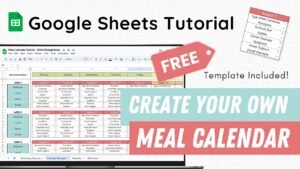
Start by creating a weekly meal plan. Consider your dietary preferences, nutritional goals, and the number of meals you need. Planning ahead ensures you have a clear idea of what to prepare, making grocery shopping more efficient.
Create a Shopping List
Based on your meal plan, make a detailed shopping list. Stick to this list to avoid impulse purchases and ensure you have all necessary ingredients. This practice also helps in budgeting and reducing food waste.
Invest in Quality Containers
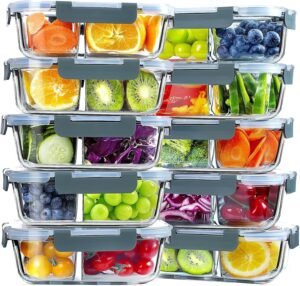
Invest in a set of durable, leak-proof containers to store your prepped meals. Choose containers that are microwave-safe and ideally stackable, making storage easier and more organized.
Batch Cooking
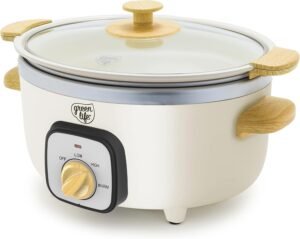
Prepare large batches of staple ingredients like grains, proteins, and roasted vegetables. These can be mixed and matched throughout the week to create a variety of meals. Batch cooking reduces the time spent in the kitchen and allows for quick meal assembly.
Prep Ingredients Ahead of Time
Chop vegetables, marinate proteins, and portion out snacks ahead of time. Having prepped ingredients on hand makes it easy to throw together meals quickly, especially on busy days.
Utilize Freezer Meals
Freezing meals is an excellent way to preserve food and ensure you always have a healthy option available. Prepare extra portions and store them in the freezer for future use. Make sure to label containers with the date and contents.
Incorporate Variety
Avoid meal prep monotony by incorporating a variety of ingredients and recipes. Experiment with different cuisines, flavors, and cooking methods to keep meals interesting and satisfying.
Stay Organized
Keep your kitchen and pantry organized. Label containers, arrange ingredients logically, and ensure you can easily access everything you need. An organized space streamlines the meal prep process.
Practice Food Safety
Ensure that you store and cook food safely to prevent foodborne illnesses. Keep raw and cooked foods separate, refrigerate meals promptly, and reheat them to the appropriate temperature before eating.
Sample Meal Prep Plan
To illustrate how meal prep can be implemented, here’s a sample weekly plan:
Breakfast
- Oatmeal Jars: Prepare overnight oats with your choice of toppings such as fruits, nuts, and seeds.
- Egg Muffins: Whisk eggs with vegetables and bake in muffin tins for a protein-packed breakfast.
Lunch
- Grain Bowls: Mix cooked quinoa or brown rice with vegetables, grilled chicken, and a simple dressing.
- Salads: Prepare salads with a variety of greens, roasted vegetables, and a protein source like chickpeas or grilled fish.
Dinner
- Stir-Fry: Use pre-chopped vegetables and lean protein for a quick and healthy stir-fry.
- Sheet Pan Meals: Roast protein and vegetables on a single sheet pan for minimal cleanup and maximum flavor.
Snacks
- Fruit and Nut Packs: Portion out mixed nuts and dried fruits for a convenient snack.
- Vegetable Sticks: Carrot, cucumber, and bell pepper sticks with hummus or yogurt dip.
Conclusion
Meal prepping is an invaluable tool for anyone looking to maintain a healthy diet amidst a busy lifestyle. By implementing these top meal prep tips, you can streamline your cooking process, save time, and ensure you always have nutritious meals at your fingertips. With a bit of planning and organization, healthy eating can become an effortless part of your daily routine. Start small, stay consistent, and enjoy the benefits of meal prepping today.
#ChatGPT assisted in the creation of this article.