“`html
Introduction
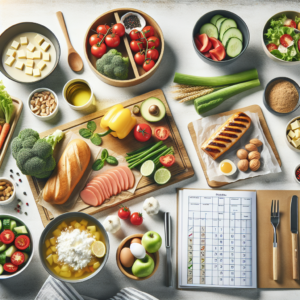
In our fast-paced world, where time is a precious commodity, meal planning emerges as a powerful tool to not only save time but also improve health. Mastering meal planning can transform your daily routine, offering benefits such as reduced stress, healthier eating habits, and significant time savings. This article will delve into the intricacies of meal planning, offering practical tips and delicious recipe ideas to help you embrace this efficient lifestyle change.
The Benefits of Meal Planning
The advantages of meal planning extend far beyond the kitchen. Understanding these benefits can motivate you to incorporate this practice into your routine.
Improved Health
Meal planning allows for better control over the nutritional content of your meals. When you have a plan, you’re less likely to rely on unhealthy convenience foods or takeout. By preparing meals in advance, you can ensure a balanced diet rich in essential nutrients. Moreover, it allows you to tailor your meals to specific dietary needs, whether you’re focused on reducing sugar, increasing fiber, or managing allergies.
Time and Stress Management
Imagine coming home after a long day and having a delicious, nutritious meal ready to eat within minutes. Meal planning alleviates the stress of last-minute cooking or deciding what to eat. By dedicating a few hours each week to planning and preparing, you can significantly reduce the daily time spent on meal preparation.
Financial Savings
With a detailed meal plan, you can create a precise grocery list, reducing impulse purchases and food waste. This targeted shopping approach helps in sticking to a budget and making the most of seasonal produce and sales.
Steps to Master Meal Planning
Mastering meal planning might seem daunting at first, but breaking it down into manageable steps can simplify the process.
1. Set Your Goals
Begin by defining what you want to achieve with meal planning. Are you trying to lose weight, eat healthier, or simply save time? Having clear goals will guide your planning process and keep you motivated.
2. Assess Your Schedule
Before planning your meals, take a look at your weekly schedule. Identify days when you have more time to cook and days when you’ll need quick, easy meals. This assessment helps in balancing complex recipes with simple ones.
3. Choose Your Recipes
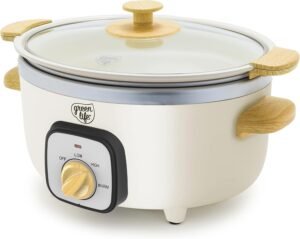
Select recipes that align with your dietary goals and fit your schedule. Aim for a mix of dishes that use different cooking methods, such as baking, grilling, or slow-cooking, to keep your meals interesting.
4. Create a Shopping List
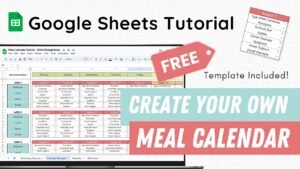
Once you’ve chosen your recipes, create a detailed shopping list organized by category. This list will save time at the grocery store and ensure you have all the ingredients you need.
5. Prep in Advance
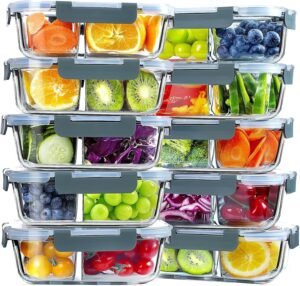
Dedicate time each week to prepare ingredients in advance. This could include chopping vegetables, marinating proteins, or cooking grains. Having these components ready makes meal assembly quick and easy.
Meal Planning Tips for Success
To ensure your meal planning journey is successful and sustainable, consider the following tips:
Start Small
If you’re new to meal planning, start with planning just a few meals each week. Gradually increase as you become more comfortable with the process.
Embrace Batch Cooking
Cooking in bulk can save time and ensure you always have meals ready. Prepare large quantities of soups, stews, or casseroles and freeze portions for future use.
Stay Flexible
Life is unpredictable, and plans can change. Allow flexibility in your meal plan to accommodate unexpected events. Have a backup plan, such as a frozen meal or pantry staples, for those days when things don’t go as planned.
Involve the Family
Involving family members in meal planning can be a fun way to ensure everyone enjoys the meals. It also helps in spreading the responsibility, making the process more manageable.
Sample Meal Plan and Recipes
To illustrate the power of meal planning, here is a sample plan along with a few recipes to get you started.
Monday: Grilled Chicken and Veggie Bowls
– **Ingredients**: Chicken breast, bell peppers, zucchini, quinoa, olive oil, lemon, garlic, salt, and pepper.
– **Instructions**: Marinate the chicken in olive oil, lemon juice, garlic, salt, and pepper. Grill the chicken and veggies. Serve over cooked quinoa.
Tuesday: Slow-Cooker Lentil Soup
– **Ingredients**: Lentils, carrots, celery, onion, garlic, vegetable broth, bay leaf, thyme, salt, and pepper.
– **Instructions**: Combine all ingredients in a slow cooker and cook on low for 6-8 hours. Remove bay leaf before serving.
Wednesday: Baked Salmon with Asparagus
– **Ingredients**: Salmon fillets, asparagus, olive oil, lemon, dill, salt, and pepper.
– **Instructions**: Place salmon and asparagus on a baking sheet. Drizzle with olive oil, lemon juice, and sprinkle with dill, salt, and pepper. Bake at 400°F (200°C) for 15-20 minutes.
Thursday: Veggie Stir-Fry
– **Ingredients**: Broccoli, bell peppers, snap peas, tofu, soy sauce, ginger, garlic, sesame oil, and rice.
– **Instructions**: Sauté ginger and garlic in sesame oil. Add tofu and vegetables, stir-fry until tender. Add soy sauce and serve over rice.
Friday: Homemade Pizza
– **Ingredients**: Pizza dough, tomato sauce, mozzarella cheese, basil, and your choice of toppings.
– **Instructions**: Spread tomato sauce over dough, add cheese and toppings. Bake according to dough instructions.
Conclusion
Mastering meal planning is a transformative skill that enhances your health, saves time, and reduces stress. By understanding your goals, assessing your schedule, and following a structured approach, you can make meal planning an integral and enjoyable part of your routine. With the sample meal plan and tips provided, you’re well on your way to becoming a meal planning pro, ready to enjoy the myriad benefits this practice offers. Embrace the process, experiment with new recipes, and watch as meal planning simplifies your life and nourishes your body.
“`
#ChatGPT assisted in the creation of this article.