Grocery shopping is a fundamental part of daily life, yet it can often be overwhelming, especially when trying to make healthier choices. With a plethora of options and marketing tactics vying for your attention, it’s crucial to approach your shopping trip with a strategy. This article offers expert tips to help you master the art of healthy grocery shopping, ensuring that your cart is filled with nutritious, wholesome foods.
Plan Ahead
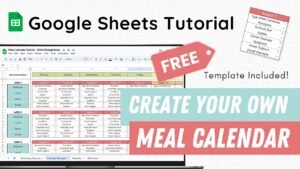
One of the most effective ways to ensure healthy grocery shopping is to plan ahead. Creating a meal plan for the week can guide your shopping list and help you avoid impulse buys. Consider your schedule and plan meals that are realistic for your time constraints. Include a variety of foods to ensure nutritional balance and consider prepping ingredients in advance for convenience.
Create a Detailed Shopping List
A shopping list is a powerful tool for staying focused and avoiding unnecessary purchases. Once your meal plan is set, create a detailed list of the ingredients you need. Organize the list by sections of the store to streamline your shopping experience. Stick to your list to help resist the temptation of unplanned items that may not align with your health goals.
Embrace Technology for Efficiency
Incorporate technology into your planning process. Use grocery store apps or meal planning apps that can help you organize your shopping list and find deals on healthy products. Some apps can even suggest recipes based on ingredients you already have, reducing waste and saving money.
Shop the Perimeter
When you enter the grocery store, aim to shop primarily around the perimeter. This is where fresh produce, dairy, meat, and whole grains are typically located. These items are often less processed and packed with essential nutrients. Fill your cart with a rainbow of fruits and vegetables, lean proteins, and whole grains to build a strong nutritional foundation.
Understand Food Labels
While shopping the perimeter covers many of your nutritional bases, you’ll inevitably need to venture into the aisles. Here, you’ll find packaged goods that require a closer examination of food labels. Understanding how to read these labels is crucial for making informed decisions. Focus on key elements such as serving size, calories, and the list of ingredients. Look for products with short ingredient lists and recognizable components. Avoid items high in added sugars, sodium, and unhealthy fats.
Choose Whole Foods
Whole foods are minimally processed and close to their natural state, offering more nutrients and fewer additives. Prioritize whole grains like brown rice and quinoa, fresh fruits and vegetables, nuts, seeds, and lean proteins. Whole foods are often more filling and can help you avoid overconsumption.
Beware of Marketing Tricks
Grocery stores and food manufacturers often use marketing tactics to make products appear healthier than they are. Terms like “natural,” “organic,” or “gluten-free” do not necessarily mean a product is healthy. Always check the nutritional information and ingredients list rather than relying solely on front-of-package labeling or health claims.
Buy in Bulk Wisely
Buying in bulk can be cost-effective and reduce packaging waste, but it requires careful planning. Bulk bins often offer whole grains, nuts, seeds, and dried fruits at a lower cost. Ensure that you have adequate storage and plan to use these items before they spoil. Be cautious with perishable items and only buy what you can realistically consume.
Explore Frozen and Canned Options
Frozen and canned foods can be convenient and nutritious choices, especially when fresh options are limited or out of season. Choose frozen fruits and vegetables without added sugars or sauces. For canned goods, opt for items labeled as “low sodium” or “no salt added,” and rinse canned vegetables to further reduce sodium content.
Support Local and Seasonal Produce
Shopping locally and seasonally not only supports your community but often provides fresher, tastier, and more nutritious produce. Farmers’ markets and local co-ops can offer a diverse selection of seasonal fruits and vegetables. Seasonal produce is typically less expensive due to abundance and reduced transportation costs.
Budget-Friendly Tips
Eating healthy doesn’t have to break the bank. Focus on staples like beans, lentils, oats, and eggs, which are both nutritious and affordable. Plan meals around sales and in-season produce. If organic options are too costly, consider the Environmental Working Group’s “Dirty Dozen” list to prioritize organic purchases for the most pesticide-laden produce.
Stay Mindful and Flexible
While planning is essential, remain flexible and mindful during your shopping trips. Be open to trying new items or swapping ingredients based on availability and sales. Staying present while shopping can help you make better choices and enjoy the process of selecting nourishing foods for you and your family.
Involve the Family
Encourage family members to participate in meal planning and shopping. This involvement can foster an appreciation for healthy eating and make the process more enjoyable. Allow children to pick a new fruit or vegetable to try each week, making it an educational experience.
Conclusion
Mastering healthy grocery shopping is a skill that can greatly impact your overall well-being. By planning ahead, understanding food labels, and making informed choices, you can fill your cart with nutritious foods that support your health goals. Embrace the journey of discovering delicious, wholesome options and enjoy the benefits of a balanced diet.
#ChatGPT assisted in the creation of this article.